


Quick Answer: Can the 50000 Layer Farm Equipment Cost in Kenya Fit Your Budget?
The proposed 50000-layer farm can fit your budget only if committed funding covers the whole project—not just equipment—and leaves your chosen cash reserve intact under credible cost and sales changes. Include the site, houses, installed equipment, birds, startup expenses, operating cash needs and maintenance.
Planning a Similar Layer Project in Kenya?
Share your proposed flock, site and funding priorities to discuss the equipment and project inputs behind your investment decision.

Build a cash schedule using your quotations and assumptions. Test lower egg prices, higher feed costs, changes in mortality and laying rate, delayed buyer payments and a less favorable exchange rate. If the full-scale plan cannot maintain its reserve, assess a smaller first phase that can operate independently, or defer until funding, sales and site conditions are sufficiently secure.
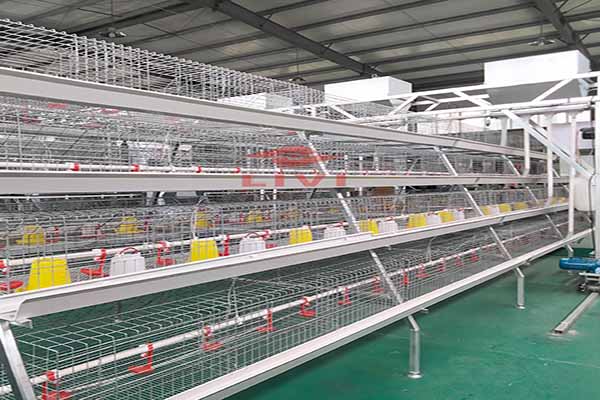
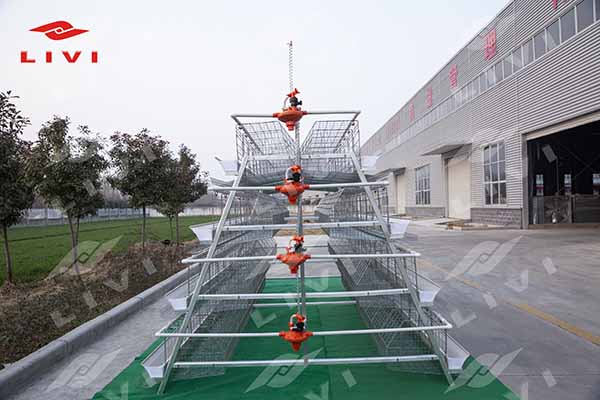
LIVI's H1200 is a Layer Cage candidate for the proposed scale when the house, operating conditions and configuration fit. The flock target alone does not establish a layout or an operating farm. Compare equipment scopes after defining the cash and site requirements they must support.
What Funding Must Be Available Before the First Eggs Are Sold?
Funding must cover construction and startup payments as they fall due, plus the operating shortfall before egg receipts can meet expenses. An equipment quotation is one part of this requirement; it is not the total 50000 layer chicken farm setup cost.
| Funding category | Calculation inputs | Boundary to check |
|---|---|---|
| Land and site works | Site price or lease, access and preparation estimates | Drainage, delivery access and preparation responsibilities |
| Houses and biosecurity | Construction quotations and entry controls | Waste handling, cleaning areas and utility connections |
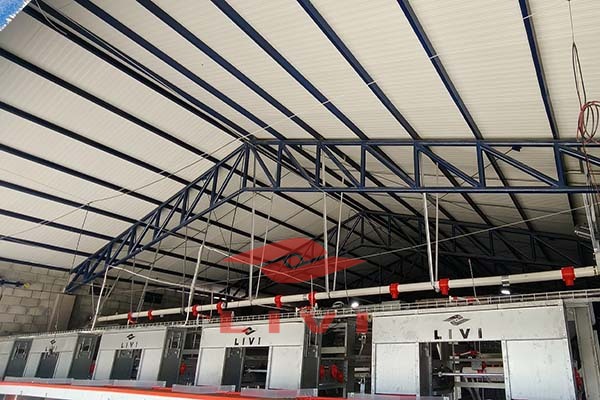
| Layer Cage and support systems | Itemized equipment and configuration quotations | Feeding, drinking, egg collection, manure removal and environmental control interfaces |
| Delivery and installation | Freight, clearance, unloading, installation and commissioning estimates | Taxes, local transport, connection work and payment responsibilities |
| Birds and startup | Bird purchase, delivery, feed, labor and veterinary assumptions | Expenses before first sales receipts |
| Ongoing operation | Feed, staffing, water, power, veterinary care and distribution | Payment dates, backup-power fuel and collection terms |
| Maintenance and replacement | Service, spare parts, repairs and upgrade estimates | Replacement timing and technical support |
Separate capital expenditure from recurring operating costs and longer-term replacements, but schedule each payment when it is expected. Include financing charges and taxes where applicable. For backup power, distinguish purchase and connection from fuel, servicing and replacement.
For each period, calculate opening cash + funding received + egg-sale receipts − cash payments = closing cash. Carry the closing balance into the next period. The lowest balance shows when funding pressure is greatest. If it falls below the chosen reserve, the difference is the additional funding needed at that point, provided it can be made available on time.
Do not add a separate working-capital allowance for feed, wages or other payments already in the schedule. A reserve is a separate cash cushion, not a second entry for the same expense. Check when committed financing can be drawn and when repayments begin.
Speak with prospective egg buyers about volumes, competing supply, collection and payment terms. Obtain feed and bird quotations for the intended site. Reflect the strength of sales evidence in the stress test: a discussion with a buyer is not a confirmed sales arrangement.
Which Automation Scope Fits the Funding and Labor Plan?
Compare options on the same flock target and accounting period. These scopes are planning choices to discuss with suppliers, not established packages for the site.
| Decision dimension | Selective automation | Broader automation | Selection check |
|---|---|---|---|
| Handling scope | Retain more manual egg or manure handling alongside selected automated tasks | Evaluate Automatic Egg Collection and Automatic Manure Removal | Confirm equipment and interfaces in each proposal |
| Initial investment and stage | May preserve capital if fewer systems are installed initially | May require more equipment, electrical work and installation at startup | Compare installed quotations and later upgrade costs |
| Labor and operation | Requires a workable manual staffing plan | May reduce handling work but still needs monitoring and cleaning | Estimate task hours, wages, electricity and maintenance |
| Advantages and limitations | Flexibility over initial scope; staffing can constrain manual work | More tasks can be mechanized; power and maintenance become important dependencies | Test both plans against available people and utilities |
| Application conditions | Consider where staff and handling arrangements support manual tasks | Consider where funding, power, maintenance capacity and layout support additional systems | Choose a scope that remains workable and fundable under stress |
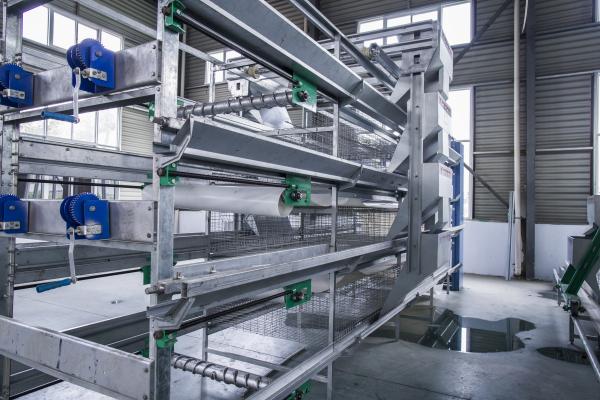
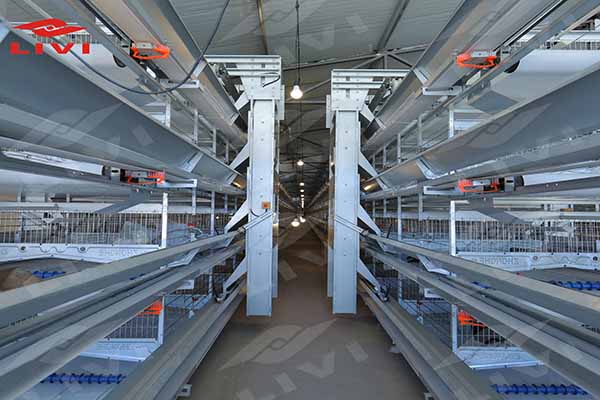
The H1200 is a candidate for a layer battery cage system at the proposed scale, subject to site-specific design. LIVI describes Layer Cage equipment and automated feeding, drinking, manure removal, egg collection and environmental control systems. Confirm the functions and interfaces in the actual proposal rather than treating either column as a confirmed H1200 configuration.
For each option, list the work needed to feed birds, inspect water, handle eggs, remove manure, clean equipment and respond to faults. Multiply estimated task hours by local labor assumptions, then add supervision and maintenance. Establish any difference from the proposed workflow rather than assuming a saving.
When comparing commercial layer cage equipment quotations, ask whether installation, electrical work and commissioning are included. A narrower initial purchase may require additional work or interruption during a later upgrade. Ask the supplier to identify upgrade interfaces and costs before relying on phased automation.
Compare Automation for Your Layer Farm Project
Tell us which handling tasks you plan to automate, along with your house and utility conditions, to review suitable configuration options.
Which Kenya Site Conditions Could Change the Landed and Installed Budget?
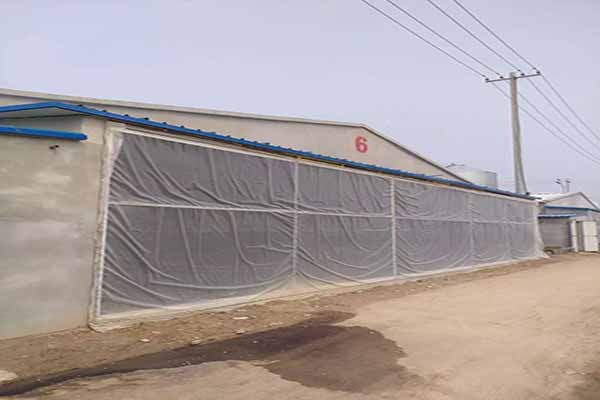
For the actual Kenyan site, obtain estimates for freight, clearance, inland transport and unloading. Check vehicle access, storage and unloading equipment. Assign each cost to the supplier, installer or buyer in writing, and schedule the buyer's payments.
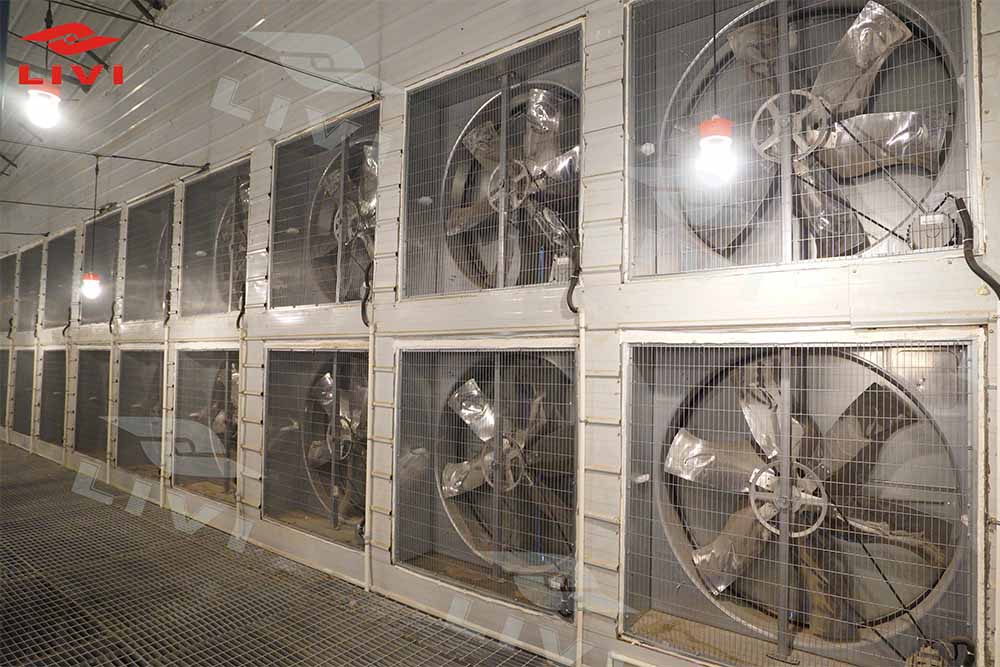
Assess site-specific temperature, humidity, house orientation and ventilation requirements before defining the Climate Control System. The house and environmental equipment should be considered together: a change in ventilation scope can affect electrical work, backup power and ongoing electricity costs.
Confirm the water source, quality, flow and storage needed for the operation. Check the available electrical supply, connection cost, outage history and loads that must remain supported during an interruption. Budget for backup power and its operation; do not assume the utility connection is included in an equipment offer.
Ask local authorities and advisers which construction permits, import charges, animal welfare requirements and other standards apply to the site and proposed equipment. Confirm local installation labor, service access and spare-parts sourcing before setting the opening date.
LIVI states that it can provide packing lists, installation materials and equipment instructions. Agree separately on delivery, installation, commissioning and service responsibilities; documentation alone does not establish who performs or pays for each task.
How Should You Stress-Test the Budget Before Committing?
Build a baseline and adverse cases using your own figures. For every case, recalculate the cash schedule and compare its lowest balance with committed funding and the chosen reserve. Identify the additional cash needed and when it is needed, rather than assuming a profit or payback period.
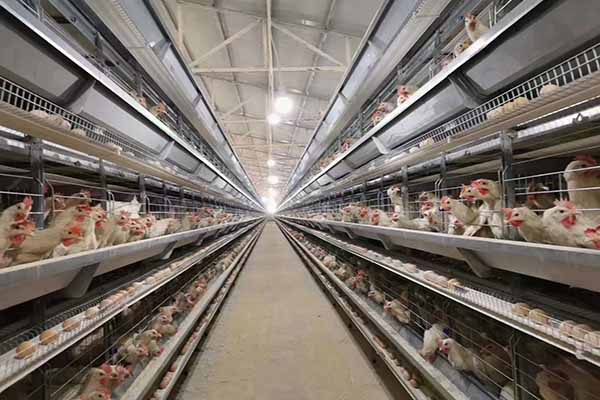
Calculate production, sales and feed by period
Start with planned bird placements and track the expected live flock. Apply mortality over time so subsequent bird numbers and egg output change. Record replacement birds and their purchase, feed and timing separately; do not silently restore lost birds in the model.
Estimate production using average live laying birds, the assumed laying rate and the number of days in the period. Apply the expected saleable share, then multiply saleable eggs by the expected realized price, using consistent units.
Schedule receipts when customers are expected to pay, not automatically when eggs are produced. Include farm-paid packaging and distribution. If buyers may take less volume than planned, test the effect on sales and receipts rather than assuming every egg finds a buyer immediately.
Estimate feed expenditure from expected bird numbers, consumption per bird, period length and feed price. Use consistent weight units and include applicable delivery or handling charges. Add wages, utilities, veterinary care, biosecurity supplies and financing payments separately.
Test changes separately, then in combination
Reduce the assumed egg price while holding other inputs at baseline. Record the new cash low point and reserve gap. Repeat with higher feed prices, higher mortality and a lower laying rate, changing each assumption separately. This shows which inputs most affect the funding decision.
Then combine changes the investor considers plausible and test delayed payment separately. A plan may withstand individual changes but fail when several pressures occur together. Keep assumptions and their sources visible so they can be updated as discussions with buyers and suppliers progress.
Recalculate unpaid foreign-currency commitments
For each unpaid foreign-currency equipment payment, multiply the foreign-currency amount by the scenario exchange rate expressed as local currency per unit of foreign currency. Schedule the result when payment is due. Check the contract currency, payment dates and conversion terms; do not revalue amounts already paid as though they remain unpaid.
Apply the same method to separately quoted foreign-currency freight, spare parts or other unpaid charges where relevant. Add local-currency charges separately and avoid converting an item twice. Update borrowing needs and financing charges if the larger payment changes them.
Decide whether to proceed, phase or defer
Proceed at the proposed scale only when the site and sales plan are workable and committed funds cover the stressed cash requirement while preserving the reserve. Otherwise, evaluate a smaller first phase with its own birds, operating funds, utilities, labor and sales arrangements.
Confirm the first-phase flock size and H1200 applicability separately. Compare initial infrastructure with later expansion work, technical interfaces and disruption. Phasing can change payment timing, but should not be assumed to reduce total investment or risk. Defer when funding, sales, utilities or permissions remain too uncertain to support even a self-contained first phase.
What information supports an equipment quotation?
Prepare a brief with the proposed 50000-layer target, Kenyan site location, house status and dimensions, water and power conditions, preferred handling tasks, budget and potential phasing. Ask for a layout and itemized equipment list, including system interfaces and utility requirements.
Prepare Your Kenya Layer Farm Investment Brief
Provide your target scale, site dimensions, water and power conditions, and desired equipment scope to discuss a project-specific quotation.
Request separate lines for equipment, shipping, clearance, unloading, installation, commissioning and utility connections. Confirm payment currency and timing, exclusions, documentation, spare parts and service responsibilities. Combine these with local construction and operating estimates to update the 50000 layer farm equipment cost in Kenya and the wider funding schedule before making commitments.
FAQ
1. Does the 50000 layer farm equipment cost in Kenya include installation?
Installation is included only if the agreed quotation says so. Request separate lines for equipment, shipping, clearance, unloading, installation, commissioning and utility connections. Add buyer-paid items to the whole-farm cash schedule rather than treating the equipment price as the installed project cost.
2. How should delayed egg-buyer payments be reflected in the budget?
Schedule receipts when buyers are expected to pay, rather than when eggs are produced. Test a slower-payment case while keeping feed, wages and other obligations on their expected due dates. Compare the resulting cash low point with committed funding and your chosen reserve.
3. Does more automation eliminate the need for farm labor?
No. Automated equipment still needs monitoring, cleaning, maintenance and management, while birds and eggs require attention. Compare task hours and staffing costs for each scope using the farm's operating plan and local labor inputs. Assess any reduction in handling work rather than assuming a guaranteed saving.
4. Can an exchange-rate change affect costs after equipment is ordered?
Yes. A change can affect unpaid foreign-currency amounts, depending on the contract and payment timing. Recalculate each unpaid amount at your scenario exchange rate and check whether freight, spare parts or other charges are also currency-sensitive. Add local charges separately and update financing needs if necessary.
5. What makes a smaller first phase a credible alternative?
A smaller first phase is credible when it has sufficient funding, utilities, labor and sales arrangements to operate independently. Confirm its flock size and equipment suitability, then assess shared infrastructure and the cost and technical feasibility of later expansion. Compare stressed cash needs with available funding before assuming phasing reduces risk.
TAGs: 50000 layer farm equipment cost in Kenya, 50000 layer chicken farm setup cost, layer cage equipment, layer farm automation, layer farm cash flow, layer farm equipment quotation