



How do you coordinate a turnkey poultry farm solution for 60000 layers in Ghana?
Quick answer: Approve the site brief and coordinated house and equipment drawings first. Then make each handoff conditional on documented readiness: completed civil interfaces, checked equipment, connected utilities, tested systems and trained operators. Assign an owner, acceptance criteria and a defect-resolution process to every handoff before construction starts.
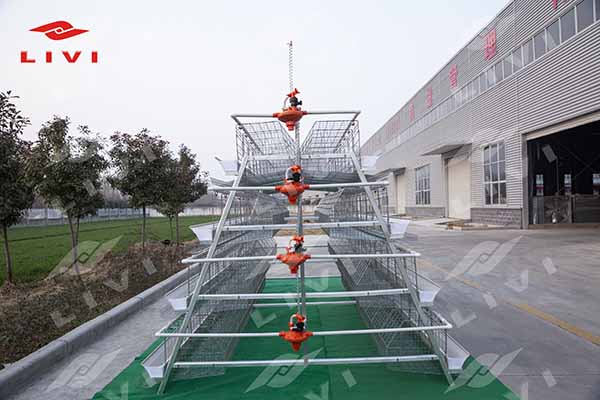
H1200 is a candidate for this planned layer farm, not a confirmed installation. Its suitability depends on the site, house design, operating requirements and final equipment arrangement. House count, dimensions, rows and tiers require project-specific engineering.
Plan Your Ghana Layer Farm Layout
Share your site location, land or house dimensions, utility conditions and automation priorities to discuss a layout for 60000 layers in Ghana.
Project Solution at a Glance
| Decision | Project planning basis |
|---|---|
| Location and flock | Ghana; 60000 layers |
| Equipment candidate | H1200 H-Type Layer Cage equipment, subject to design approval |
| Delivery objective | Coordinate construction, delivery, installation, commissioning and handover |
| Critical release condition | Agreed tests passed, defects corrected and operators prepared before bird placement |
A turnkey contract should make these dependencies visible. Equipment may arrive while the floor, utilities or unloading arrangements are unready; a completed building may need alteration if openings do not match equipment drawings. Joint approvals help manage both risks.
What must the Ghana project team approve before house construction?
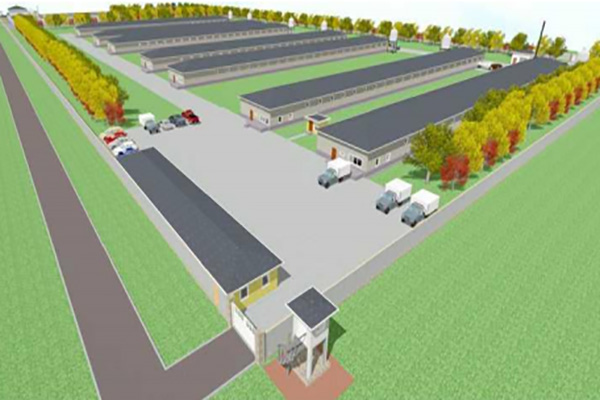
The owner should assemble one site brief for the designer, construction contractor and equipment supplier. Show usable land boundaries and dimensions, ground levels, drainage, access, house orientation, bird movement, service areas and intended expansion space. Include workflows for feed deliveries, egg handling and manure removal so roads and working areas can be planned together.
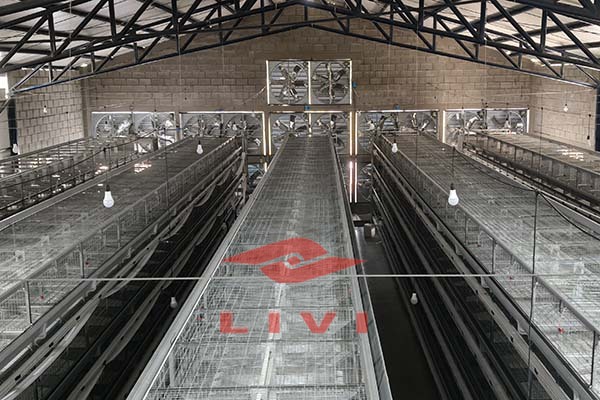
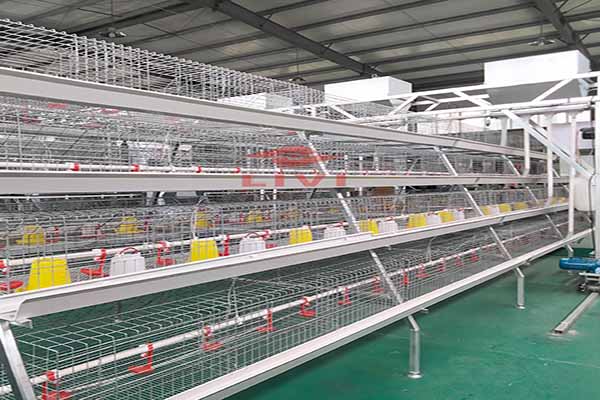
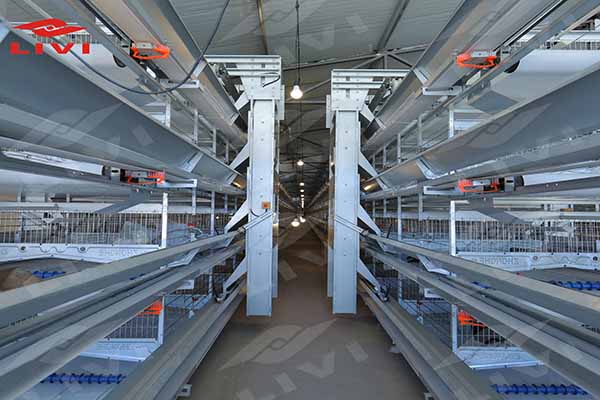
Ask the equipment supplier and house designer to develop one coordinated poultry house layout. For a proposed layer battery cage system, allocate the target flock across houses and rows, then check tiers, aisles, structure, floor and maintenance clearances. The designer should verify capacity against the selected equipment configuration, flock needs and locally applicable welfare requirements.
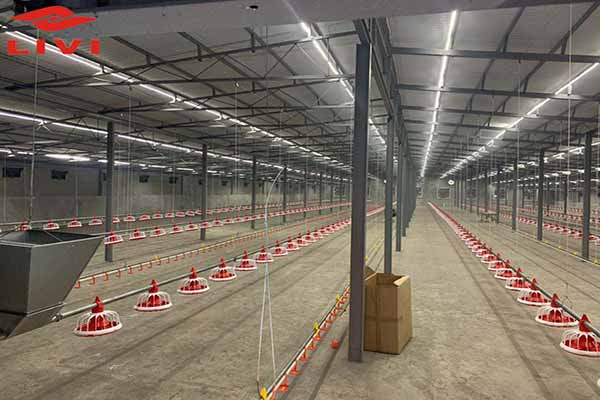
H1200 is intended for layer operations and can be assessed for open, semi-open or closed houses. The choice depends on conditions established for the Ghana site, including seasonal temperature and humidity, management, water and power provisions, and ventilation design. A more enclosed house may rely more on mechanical ventilation and power; an open design must be assessed against actual environmental conditions and operating requirements. Neither choice follows from flock size alone.
Mark feed entry, water connections, egg transfer, manure discharge, electrical distribution and selected lighting or controls on the drawings. Ask qualified local advisers to identify applicable permits, welfare requirements and construction and electrical standards. Record the drawing revision approved by each party, and review later changes for their effects on equipment and construction.
Before releasing the drawings, check that the proposed house count and capacity allocation match the operating plan. The equipment supplier should confirm the dimensions and clearances for the selected arrangement, while the structural designer reviews the resulting loads. This joint check helps prevent a capacity estimate from becoming an incomplete construction instruction.
Which H1200 interfaces should appear in the construction handoff table?
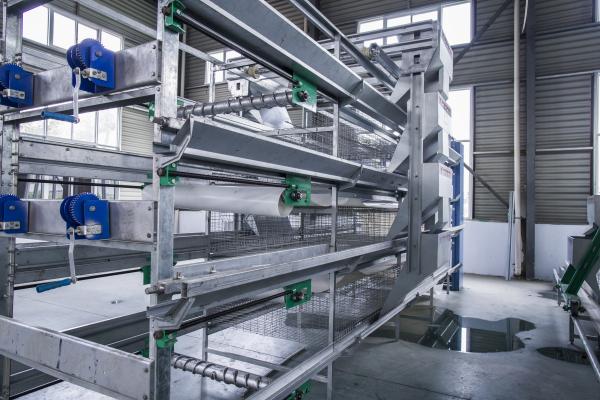
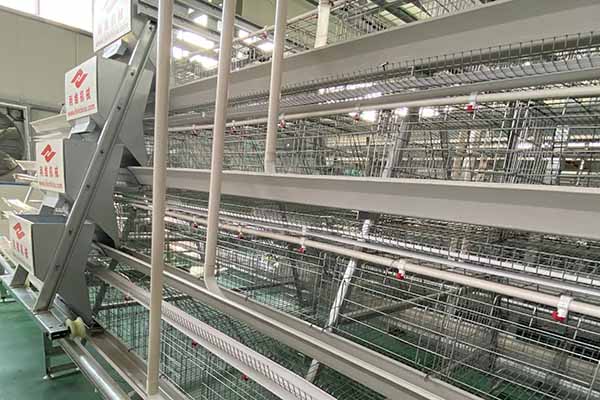
H1200 product information lists a traveling feeder, Automatic Drinking, flat-belt and cross/inclined manure removal, and an egg collection machine in its standard configuration. Central egg collection, ventilation, lighting and alarms are project configuration decisions. Confirm the proposal's scope before reserving openings or connection points.
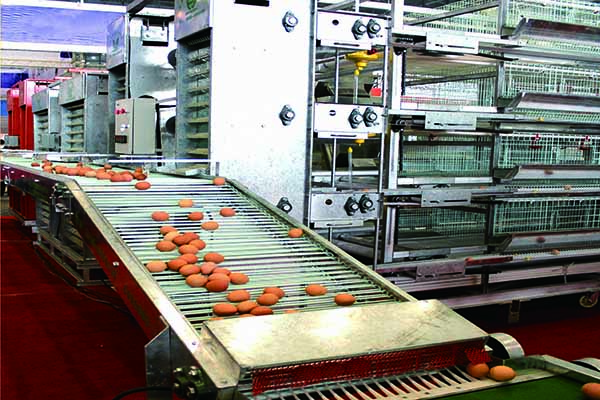
Use this table as a planning reference for the proposed poultry cage system, then replace the general checks with project-specific drawings and acceptance criteria.
| Proposed system | Configuration decision | Construction interface to verify | Approval evidence |
|---|---|---|---|
| H1200 Battery Cage System | Rows, tiers and capacity allocation | Floor levels, structural loads, aisles and clearances | Layout and structural review |
| Automatic Feeding and Automatic Drinking | Feeder and water distribution | Feed entry, water connections and access | Equipment and utility drawings |
| Automatic Manure Removal | Discharge arrangement | Opening, collection area and maintenance access | Manure route and interface drawing |
| Egg Collection System | Machine and any central collection | Transfer route, receiving space and access | Equipment scope and layout |
| Ventilation System, lighting and alarms | Selected systems and controls | Openings, mounting, wiring and backup connections | Design and commissioning plan |
Identify who supplies information and who builds or connects each interface. For example, the supplier can identify the manure discharge position, the civil contractor can construct the opening, and the installation team can verify alignment. All parties should review layout changes before affected work continues.
What must be ready in Ghana before equipment arrives?

Site access, unloading and protected storage
Confirm the delivery route and vehicle access with the transport parties. Identify who handles import procedures, local transport, unloading equipment and site labour. Check turning and unloading space against the proposed vehicles, and reserve protected storage where packages can be separated without blocking construction.
The receiving party should compare packages with the packing list, photograph visible damage and record shortages. LIVI states that it can provide packing lists, installation materials, equipment instructions and after-sales technical support. Specify when documents are issued and how discrepancies are resolved.
Agree how packages will be identified for each installation area and who can release them from storage. The receiving and installation teams should share shortage and damage records promptly, so the responsible party can arrange a remedy before an affected assembly step is due. Protect stored components while keeping labels and instructions accessible.
Water, power and backup readiness
Establish the Ghana site's water source, quality, available flow and pressure, storage provision and connection locations. Compare them with the approved Drinking System and any selected cooling equipment. The water contractor and installer should agree on the connection interface and checks required at the drinking lines.
Have a qualified electrical contractor review the available supply against equipment loads, distribution, protective devices and isolation arrangements. Define which critical loads need backup power, how it connects and who tests the changeover. The electrical design must establish which loads can operate on the backup supply.
Use measured or established local temperature, humidity and seasonal conditions to develop the Ventilation System and cooling approach. Consider water availability if cooling depends on water, and coordinate controls and backup requirements with the designers. Settle these decisions before construction interfaces are finalized.
Allocate delivery and installation responsibilities
A practical division is for the owner to coordinate site readiness, contractors to complete assigned civil and utility works, and the supplier to provide agreed equipment information and support. Write the final division into the contract, including labour, tools, unloading, connections, training and acceptance signatures.
LIVI describes a turnkey service covering planning, customized solutions, equipment production, cross-border delivery, installation and commissioning, and ongoing service. It offers remote guidance and on-site engineer support; the arrangement for this project must be agreed. Compare turnkey poultry farm equipment and installation proposals against the same scope, including exclusions, transport boundaries, tests and defect correction, rather than equipment prices alone.
How should construction move through installation and commissioning?
Release construction and verify the completed house
The owner should approve the site brief, proposed H1200 layout, equipment list and construction drawings with the designers, contractor and supplier. Agree how changes are communicated and authorized. A revised cage arrangement can affect a manure opening, water connection or electrical route even when the building footprint is unchanged.
Coordinate H1200 Equipment and Construction Interfaces
Provide your proposed house drawings, H1200 arrangement, water and power connection points, and contractor responsibilities to discuss an equipment configuration with LIVI.
Before installation, the construction contractor and installation team should check the structure against the approved drawings. Review floor levels, openings, access, clearances and connection locations. Record discrepancies and assign corrections before accepting the house for installation.
Receive, assemble and connect the equipment
The receiving team checks the delivery and gives the installation team the packing records and equipment instructions. The appointed team assembles the Layer Cage and agreed Feeding System, Drinking System, Manure Removal System and Egg Collection System, coordinating with civil and utility contractors at shared interfaces.
Qualified contractors should connect and inspect water, electrical supply and backup power against the approved design. Before energizing, confirm safe isolation, protective devices, guards and access. Agree who provides test materials, operates each system and witnesses results.
Test the installed systems before birds arrive
Commissioning should demonstrate that the installed systems work together against agreed criteria. Record the method, result, witness and corrective action for each check:
- Drinking System: Flush and check lines, confirm flow at intended points and inspect connections for leaks.
- Feeding System: Run the traveling feeder through its intended path; check distribution and clearances.
- Manure Removal System: Observe Manure Belt tracking and transfer to the discharge point; check collection-area access.
- Egg Collection System: Check movement and transfer through the selected route, including central collection if included.
- Environmental Control: Test selected ventilation, cooling, lighting, controls and alarms against the design.
- Backup power: Demonstrate the agreed supply or changeover for critical loads under the approved test procedure.
Agree in advance which tests require a connected utility or another system to be operating. For example, an electrical supply check alone does not demonstrate that the selected ventilation controls respond as intended. Record the relevant settings and test conditions so the owner and operator can understand what was accepted at handover.
Log test failures, identify the correction owner, repair safely and repeat the affected test. The owner, installation team and relevant contractors should document acceptance of equipment and utility interfaces before handover.
How should the team handle defects, training and future expansion at handover?
If a Manure Belt tracks poorly during a test, stop and safely isolate the affected equipment. Record the deviation, assign correction under the contract and repeat the test after adjustment. The acceptance record should show the finding, corrective action and witnessed retest.
Operator handover should cover starts and stops, safe isolation, water-line checks, belt observation, cleaning, alarm response and fault reporting for the installed systems. Record attendance and agree who provides follow-up support. Training and service arrangements depend on the project scope and should be settled in the installation contract.
Prepare Your Commissioning and Training Scope
Share your Ghana site readiness, installation responsibilities, selected systems and operator training needs to discuss commissioning support and project handover with LIVI.
Keep operating instructions, test records, approved drawings, equipment lists and agreed spare-parts information accessible. Check access to drives, controls, water fittings and replacement components. Agree the contact process and responsibility for parts and defect correction after handover.
If expansion is intended, preserve suitable land and utility routes. Before adding equipment, have designers reassess water, power, backup, ventilation and shared handling systems against the future proposal. Space for an extension does not establish that existing utilities have sufficient capacity.
FAQ
1. Does the supplier offer a turnkey poultry project, and what is included in the delivery?
Yes. LIVI describes a turnkey service covering planning, customized solutions, equipment production, cross-border delivery, installation and commissioning, and ongoing service. For this Ghana project, define the equipment list, civil works, local transport, utility connections, training and acceptance responsibilities in the proposal and contract.
2. Does the integrated service include installation and commissioning?
LIVI offers installation and commissioning support through remote guidance or on-site engineer support. For the 60000-layer project, agree which arrangement applies and who provides personnel, local labour, tools and site preparation. Identify who performs and witnesses tests, corrects defects and signs the handover.
3. How should ventilation and environmental control be designed for the local climate?
Use conditions measured or established for the Ghana site, together with the house design, flock requirements and equipment arrangement. Designers should assess ventilation and cooling needs, controls, water and power inputs, and backup provision. Agree tests against the approved project design.
4. When can birds enter a turnkey poultry farm solution for 60000 layers in Ghana?
Bird placement should follow successful critical commissioning checks, correction of outstanding defects and operator handover. The owner, installation team and relevant contractors should document acceptance of equipment and utility interfaces. Operators should understand the installed systems and the process for reporting faults.
5. What should a buyer compare when reviewing installation proposals?
Compare the same equipment scope, construction interfaces, local transport, utility work, installation labour, commissioning tests and training requirements. Identify exclusions and responsibility for correcting defects, supplying parts and providing support after handover. This makes prices more useful by showing what work remains outside each offer.
TAGs: turnkey poultry farm solution for 60000 layers in Ghana, turnkey poultry farm design and construction, H1200 layer equipment interfaces, poultry house layout, layer farm installation and commissioning