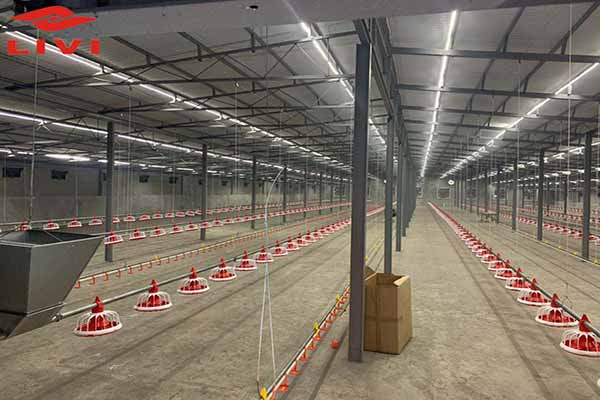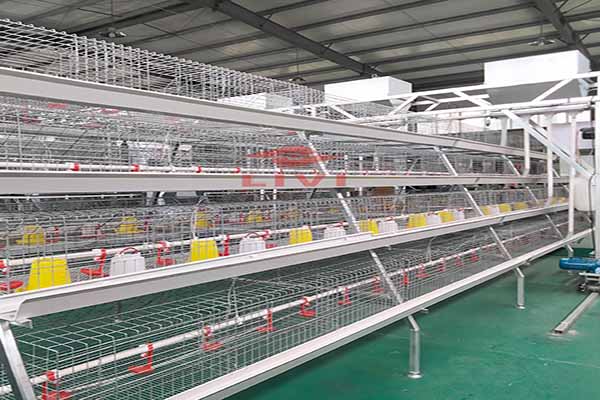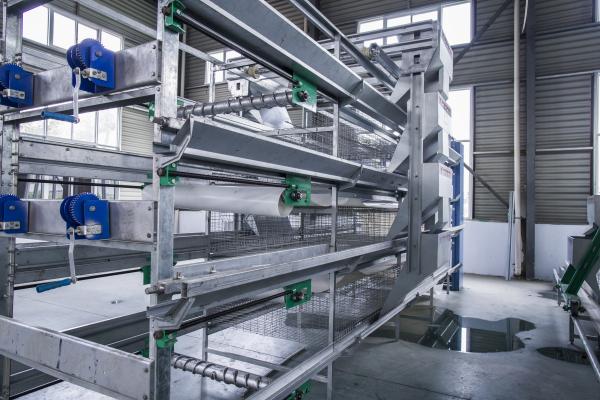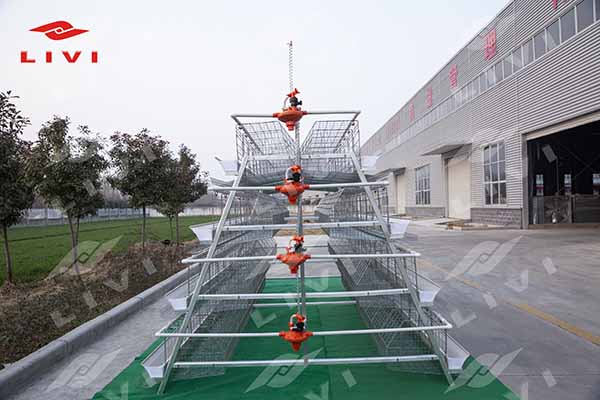




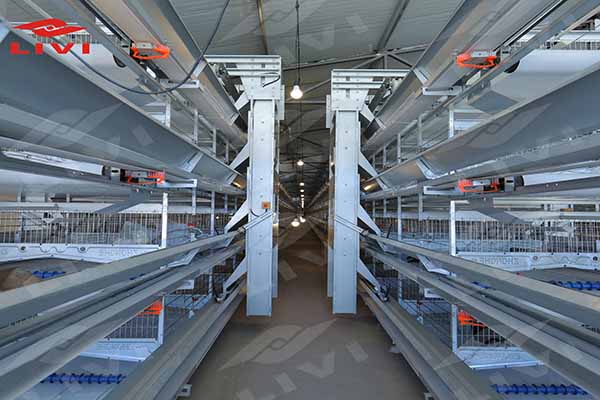
A layer cage layout for 30000 chickens in Ghana must be engineered for the actual site, not copied from a reference farm. The authorized case records a Zimbabwe layer customer expanding from 2,000 to 30,000 birds with an H-Type Layer Cage system. It is evidence of a scale-change decision, not a completed Ghana project or approved Ghana layout.
For Ghana investors, the key question is whether the site, workflow, utilities, and delivery plan can support a purpose-designed 30,000-layer operation before equipment is selected.
Quick Answer: What Does This Expansion Case Mean for a 30,000-Layer Layout in Ghana?
The Zimbabwe case confirms an expansion from 2,000 to 30,000 layers using an H-Type Layer Cage system. A Ghana layout must be based on the poultry-house drawing or land dimensions, feed, egg, and manure flows, water and power conditions, automation requirements, and expansion intention.

Planning a 30,000-Layer Ghana Project?
Share your Ghana site drawing or land dimensions, target flock, workflow, water and power conditions, and expansion plan for a layout-scope review.
No Ghana-specific cage quantity, row count, tier count, house dimensions, delivery timetable, installation duration, investment amount, or operating result is confirmed in the supplied records.
Verified Zimbabwe Case Facts and Ghana Layout Inputs Still to Confirm
| Planning Item | Verified Zimbabwe Expansion Case | Ghana Requirements to Confirm |
|---|---|---|
| Location | Zimbabwe | Ghana site conditions |
| Scale | Expansion from 2,000 to 30,000 layers | 30,000 layers is a planning target |
| Equipment | H-Type Layer Cage system | Final configuration requires review |
| Layout | No rows, tiers, or quantities supplied | House dimensions, rows, tiers, aisles, interfaces |
| Results | No authorized cost or performance record | Delivery, installation, commissioning scope |
Why Does a 2,000-to-30,000-Layer Expansion Require a New Layout Decision?
A major flock increase requires a full poultry house layout review, not an extension of a small-scale arrangement. Bird capacity alone does not establish whether the site can support feed movement, egg handling, manure discharge, ventilation, water supply, electrical interfaces, access, storage, and future expansion.

FAO notes that medium- and large-scale commercial operations make greater use of commercial materials and equipment, alongside increasing mechanization and automation. This does not select a system for Ghana, but it supports reviewing the production process with the physical layout.
Before final engineering, document the house drawing or land dimensions, target flock, feed and egg routes, manure route, water and power conditions, desired automation, and expansion plan. These inputs should determine the battery cage row layout.
The Zimbabwe reference identifies an H-Type Layer Cage system. Its suitability for Ghana still requires technical review. A poultry cage system should be assessed against the actual site and workflow, not only a stated bird capacity.
What Can Ghana Buyers Learn From the Verified Zimbabwe Expansion Case?
The confirmed lesson is the transition from 2,000 to 30,000 birds. The case does not provide a reusable house plan, cage count, aisle plan, automation package, installation schedule, price, or operating performance.
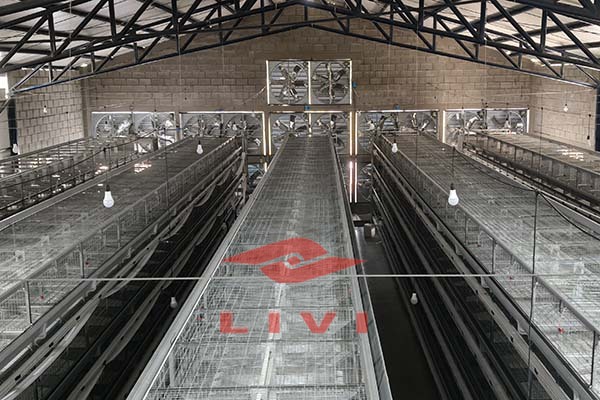
For Ghana, convert the 30,000-layer target into one written technical brief. Ask suppliers to respond to the same layout, equipment, utility, delivery, and installation requirements. This makes a layer battery cage system comparison more useful than comparing headline capacity statements.
What Must Be Planned Before Equipment Is Dispatched to Ghana?
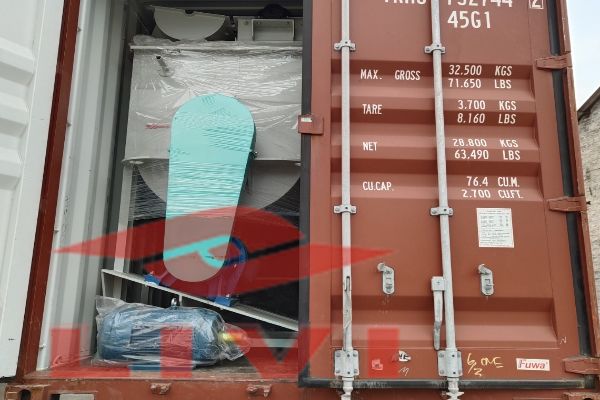
LIVI states that it can organize production, inspection, packing, container loading, equipment lists, installation materials, and export-delivery coordination according to the approved order scope and destination.
Compare Your Expansion Requirements Clearly
Send your proposed cage system, automation requirements, and installation expectations so the final project brief can support a like-for-like supplier comparison.
For Ghana, confirm the transport method, destination, timetable, unloading equipment, access conditions, storage area, customs arrangements, and logistics responsibilities before dispatch. The chicken cage installation layout should match the planned unloading, counting, storage, and movement sequence.
Implementation Steps for a Ghana Layout Project
- Prepare the target flock, site or house drawing, workflow, utility conditions, automation requirements, and expansion plan.
- Review the layout before approving cage quantities, rows, tiers, aisles, and system interfaces.
- Confirm equipment lists, drawings, packing lists, delivery responsibilities, site access, and unloading conditions.
- Check delivered components against the packing list and organize them by the approved installation sequence.
- Install, inspect, test, and commission according to final technical documents.
- Record training, acceptance criteria, and support responsibilities before handover.
An automatic poultry cage system can include different functions depending on the approved scope. LIVI offers Poultry Automation Equipment including Automatic Feeding, Drinking Systems, Automatic Manure Removal, Automatic Egg Collection, Automatic Ventilation, and Environmental Control. Inclusion for a Ghana project must be confirmed in writing.
Supplier Checks Before Final Approval
Request a layout review based on the actual site, target flock, workflow, utilities, and expansion intent. Require final rows, tiers, cage quantity, and interfaces for feeding, drinking, manure handling, egg handling, and ventilation before approval.
Also confirm equipment lists, inspection and packing records, installation documents, training, spare-parts scope, and after-sales responsibilities. LIVI states that it offers remote guidance and on-site engineer support; the applicable method should be documented for the project.
FAQ
Is the Zimbabwe 2,000-to-30,000-layer expansion a completed customer case for Ghana?
No. The authorized reference is a Zimbabwe layer-farm expansion case. Ghana is the target market for this planning article. The case does not verify a Ghana installation, layout, cost, or operating outcome.
Can the Zimbabwe H-Type Layer Cage layout be copied for 30,000 chickens in Ghana?
No. The supplied case does not provide a reusable house drawing, row count, tier count, cage quantity, or aisle plan. A Ghana layout must be based on the actual site, workflow, utilities, automation scope, and expansion requirements.
What information is needed before designing a layer cage layout for 30000 chickens in Ghana?
Provide the poultry-house drawing or land dimensions, target flock, feed, egg, and manure workflow, water and power conditions, desired automation, and future expansion plan. These inputs are needed before final quantities, rows, tiers, interfaces, and installation scope can be confirmed.
Does the verified case confirm Automatic Feeding, Automatic Egg Collection, or Automatic Manure Removal for the Ghana project?
No. The Ghana project scope is not confirmed, and the Zimbabwe case does not establish those inclusions for Ghana. LIVI offers Poultry Automation Equipment, but the approved functions must be written into project-specific technical documents.
What should a buyer compare when reviewing 30,000-layer supplier proposals?
Compare proposals against one written brief covering flock target, site or house dimensions, layout, equipment scope, utility interfaces, delivery boundary, installation support, training, and spare-parts responsibilities. Do not compare proposals only by bird capacity or a general equipment label.
TAGs: 30000-layer Ghana project, layer cage layout, Zimbabwe layer farm expansion, H-Type Layer Cage, poultry house layout, chicken cage installation planning