


Quick Answer: When Should a 30,000-Layer Farm Replace Existing Cages?
Consider a layer cage upgrade when an inspection finds structural corrosion or damage, unsafe or unreliable operation, or limitations that cannot be resolved through a defined repair scope. Flock size and stated service life alone do not determine whether replacement is necessary.
Assess Your 30,000-Layer Cage Upgrade Readiness
Send cage photos, poultry-house dimensions, current equipment details, and the operating problems you need to solve for a structured replacement-scope review.
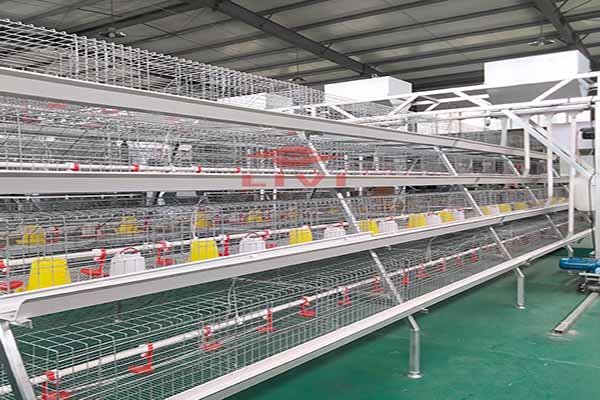
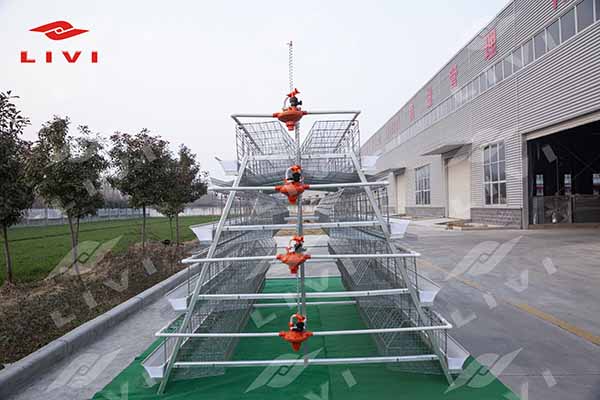
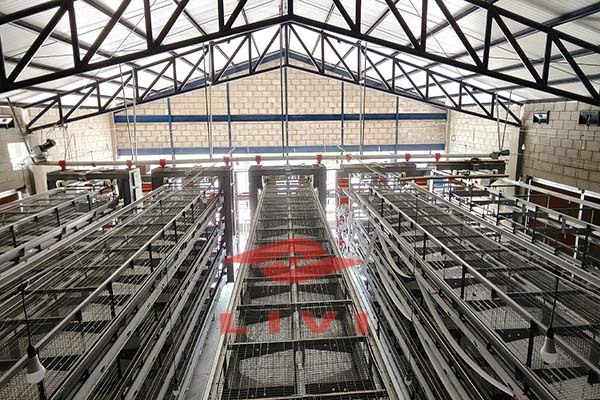
Review cage condition, house layout, feeding and drinking interfaces, manure workflow, ventilation, power and water conditions, and the intended automation level. LIVI’s A-Type Layer Cage is stated for 5,000–30,000 birds. Confirmed data include an A-Type layered structure, Q235 steel, hot-dip galvanizing, and a stated 15–20 year service life.
Repair or Layer Farm Equipment Upgrade: What Should Be Reviewed?
Start with a written condition audit. Inspect frames, mesh, joints, fasteners, doors, feeding and drinking interfaces, manure-handling components, and working access. Record each issue’s location, recurrence, operating effect, photographs, and proposed repair action.
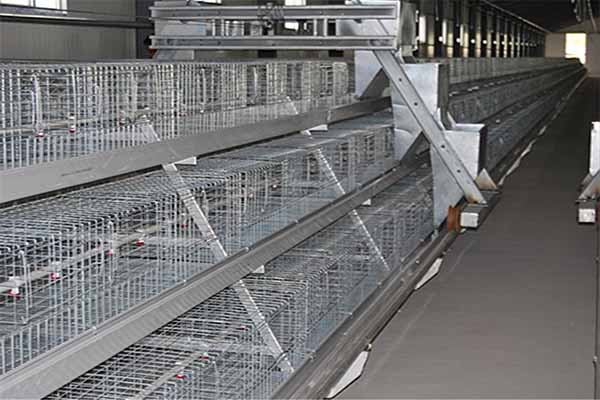
A repair may suit a limited issue where the remaining structure and workflow are fit for operation. An upgrade review is more appropriate when the farm plans to change labor routines, introduce intelligent feeding and cleaning, revise egg handling, or improve ventilation and Environmental Control. The cage is then part of a connected layer cage system, not an isolated purchase.
Compare repair and replacement using one project brief: house drawing, condition findings, flock plan, water and power arrangement, ventilation approach, manure route, automation needs, delivery destination, and installation responsibilities.
Confirmed A-Type Cage Data and Site Checks Still Needed
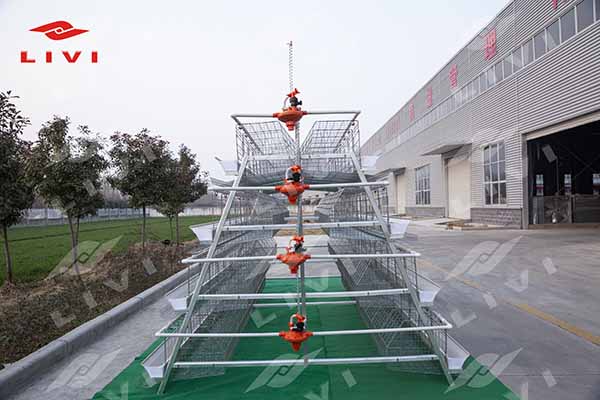
| Upgrade review item | Confirmed information | Verification needed |
|---|---|---|
| Flock scale | Stated for 5,000–30,000 birds | 30,000 is within range; final layout is site-specific |
| Structure | A-Type layered structure | Check house dimensions, height, columns, and access |
| Material | Q235 steel | Inspect existing corrosion or damage |
| Surface treatment | Hot-dip galvanizing | Confirm replacement scope |
| Service life | Stated 15–20 years | Not a mandatory replacement date |
| Supporting systems | Intelligent feeding and cleaning listed | Confirm equipment interfaces |
Define the Future Operating Scope
List which systems will remain, need repair, or belong in the new scope. Relevant categories include Automatic Feeding, Automatic Drinking, Automatic Manure Removal, Automatic Egg Collection, Automatic Ventilation, and Environmental Control.
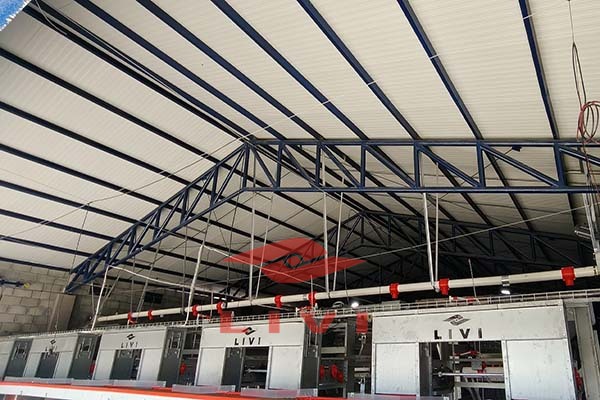
The supplied information lists intelligent feeding and cleaning systems but does not identify models, quantities, electrical load, automation boundaries, or compatibility with a particular Nigerian farm. These items need technical review. A final A type layer cage layout should follow measured house conditions, not bird count alone.
FAO notes that commercial production commonly progresses toward greater mechanization and automated ventilation as commercial production progresses. This does not establish the ventilation design required for a specific poultry house.
Record the Upgrade Decision and Prepare Installation
The review should end with one documented outcome: retain and maintain, repair identified components, replace a defined section, or develop a full replacement configuration. Each option needs a clear equipment list, responsibility boundary, and installation sequence.
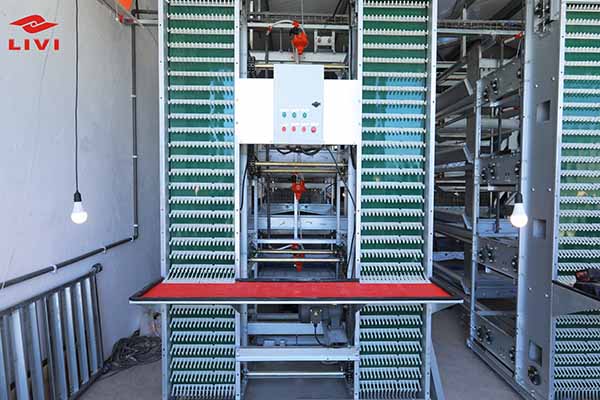
Plan an A-Type Upgrade Configuration
Share your Nigeria farm location, target flock, water and power conditions, house layout, and required automation level to discuss a suitable equipment configuration.
Do not assume all 30,000 bird places must be replaced at once. The phase depends on inspection findings, flock scheduling, building readiness, operating priorities, and final technical documents. Where A type cage automation is planned, confirm interfaces with drinking, manure, ventilation, power, and management arrangements.
- Measure the house, record columns and access routes, and map cage rows and supporting equipment.
- Complete an itemized condition audit with photographs.
- Define the cage, feeding, drinking, cleaning, egg collection, ventilation, power, and water scope.
- Plan removal and installation around flock management and biosecurity.
- Confirm layout, packing list, unloading plan, drawings, and responsibilities before dispatch.
- Install, connect, inspect, and test confirmed equipment before routine use.
What Must Be Checked Before Delivery to an Existing Nigerian Farm?
Decide whether removal of old cages, structural repairs, and installation will occur with birds present or during an empty-house period. The farm’s flock and biosecurity plan must set the schedule.
Before dispatch, verify access, unloading space, covered storage, internal movement routes, work areas, inventory control, and the final packing list. LIVI can support export packing, container loading, packing lists, installation materials, equipment instructions, and technical support. Transport method, delivery date, import requirements, and local handling in Nigeria must be confirmed for the order.
FAQ
Does a 30,000-layer farm in Nigeria need to replace cages when they reach 15–20 years old?
No. The 15–20 year figure is the stated service life for the supplied A-Type Layer Cage, not a universal replacement deadline. Base the decision on structural condition, operating reliability, repair scope, house compatibility, and the farm’s future automation and management plan.
Can the LIVI A-Type Layer Cage be considered for a 30,000-chicken upgrade?
Yes. A target of 30,000 chickens is within the supplied A-Type Layer Cage range of 5,000–30,000 birds. This does not establish cage quantity, tier count, row arrangement, house dimensions, or supporting-equipment configuration; these require site-specific review.
What should be inspected before deciding to repair or replace layer cages?
Inspect frames, mesh, joints, fasteners, doors, feeding and drinking interfaces, manure-handling components, and working access. Record each issue’s location, recurrence, and operating effect, then determine whether a defined repair scope can address it.
Can existing feeding and cleaning equipment be retained during a layer farm equipment upgrade?
Possibly, but only after compatibility is checked against the final cage layout and workflow. The supplied information does not confirm compatibility with a specific farm. Equipment condition, interfaces, power, water, and control requirements need verification.
What information is needed for a layer cage upgrade for 30,000 chickens in Nigeria?
Provide house dimensions or drawings, clear height, columns, cage photos, condition records, flock target, current equipment list, power and water conditions, ventilation approach, and automation scope. Also confirm access, unloading space, delivery destination, work area, and whether replacement is phased or complete.
Does replacing cages also require changes to ventilation and manure handling?
It can. Review cage layout and workflow together with manure routes, ventilation, and Environmental Control. No final ventilation or manure-removal configuration is supplied for this farm, so changes must be determined from house conditions and the confirmed technical layout.
TAGs: layer cage upgrade, 30,000-layer farm Nigeria, A-Type Layer Cage, layer farm equipment upgrade, Automatic Feeding, Automatic Manure Removal