


For most investors, starting with 30,000 chickens is better for building a commercial poultry farm, because the chicken house, cage system, automatic feeding, drinking, manure removal, egg collection, and labor cost can be shared by more birds. However, if you are a first-time farmer with limited budget or uncertain sales channels, starting with 10,000 chickens is safer and easier to manage.
The best choice depends on your country, land size, investment budget, chicken type, labor cost, and future expansion plan. Before buying equipment, farmers should first make a complete free poultry farm design based on chicken quantity, house size, ventilation conditions, and automation requirements.
Quick Answer: 10,000 Chickens or 30,000 Chickens?
If your goal is to test poultry farming, learn daily management, and reduce investment risk, 10,000 chickens is a better starting point.
If your goal is to build a serious commercial egg or broiler business, reduce labor cost per bird, and use automatic equipment from the beginning, 30,000 chickens is a better choice.
| Comparison Item | 10,000 Chickens | 30,000 Chickens |
|---|---|---|
| Investment level | Lower | Higher |
| Risk level | Lower | Medium to high |
| Suitable farmer | Beginner or small investor | Commercial farmer or poultry investor |
| Equipment choice | A type cage or semi-automatic system | H type cage or full automatic system |
| Labor efficiency | Medium | Higher |
| Automation requirement | Optional | Strongly recommended |
| Management difficulty | Easier | Requires better planning |
| ROI potential | Stable but slower | Better if sales channels are ready |
| Expansion ability | Can expand step by step | Easier to plan as a commercial farm |
When Is 10,000 Chickens a Better Choice?
Starting with 10,000 chickens is suitable for farmers who are entering the poultry business for the first time. At this scale, the investment pressure is lower, daily operation is easier, and the farmer can gradually learn feeding, drinking, vaccination, egg collection, manure cleaning, ventilation, and disease prevention.
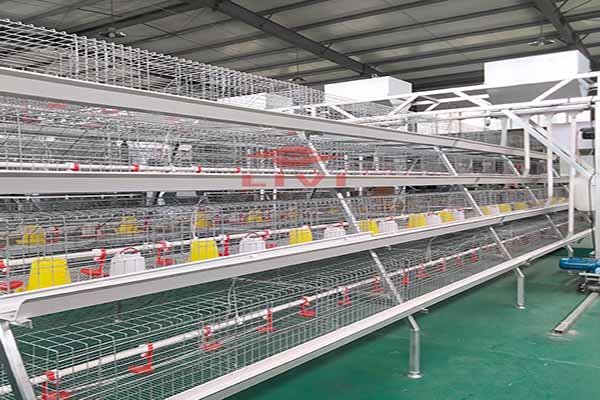
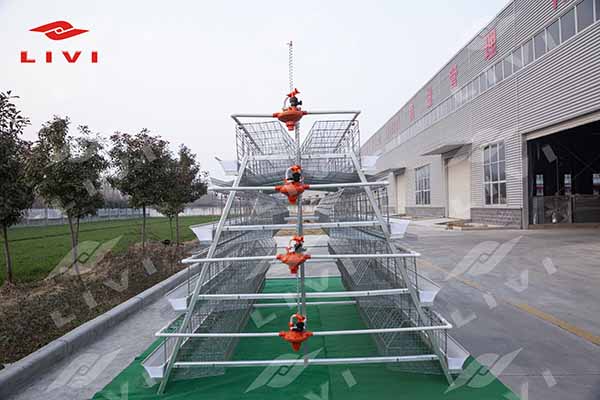
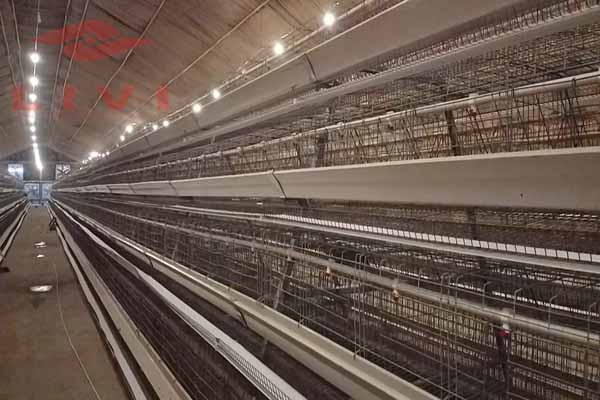
For a 10,000-layer farm, many farmers choose an A type layer cage system. This system has a lower initial cost and can be combined with automatic drinking, manual or automatic feeding, and optional manure removal. For farmers who want to control the first investment, an A type chicken cage is often a practical choice.
10,000 chickens is recommended if:
- You are new to poultry farming.
- Your budget is limited.
- Your egg or meat sales channel is not fully stable.
- Your chicken house size is small.
- You want to expand after gaining experience.
- Your workers are not familiar with automatic poultry equipment.
A 10,000-bird project is not too small, but it is still easier to manage than a larger farm. It gives farmers enough production volume to enter the market while keeping risk under control.
When Is 30,000 Chickens a Better Choice?
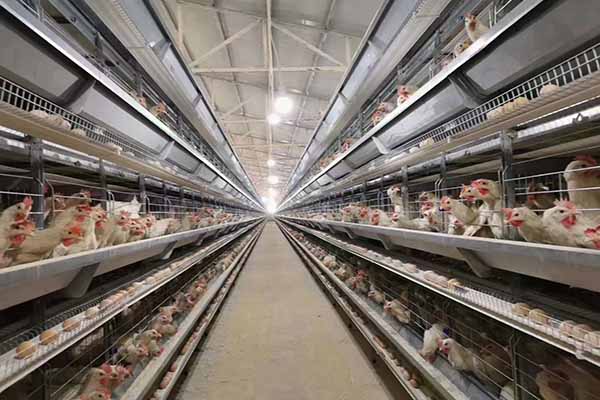
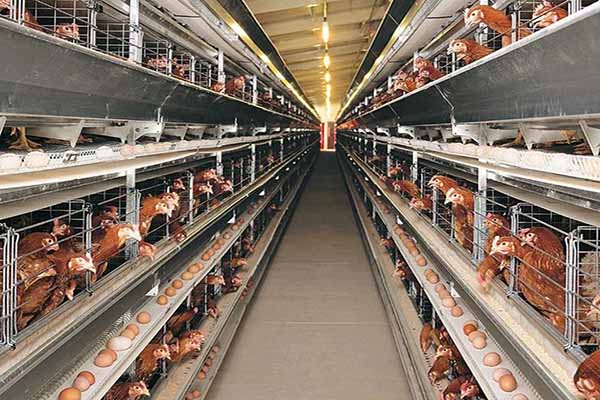
Starting with 30,000 chickens is more suitable for investors who want to build a commercial poultry farm from the beginning. At this scale, automatic equipment becomes more important because manual feeding, manure cleaning, and egg collection require more workers and more time.
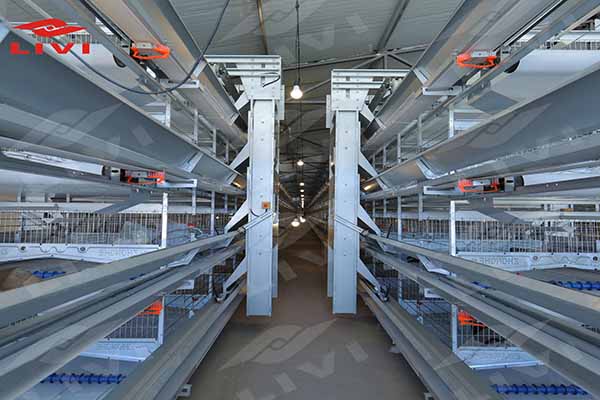
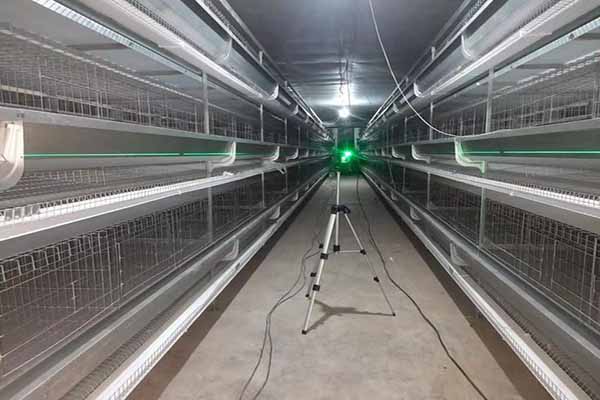
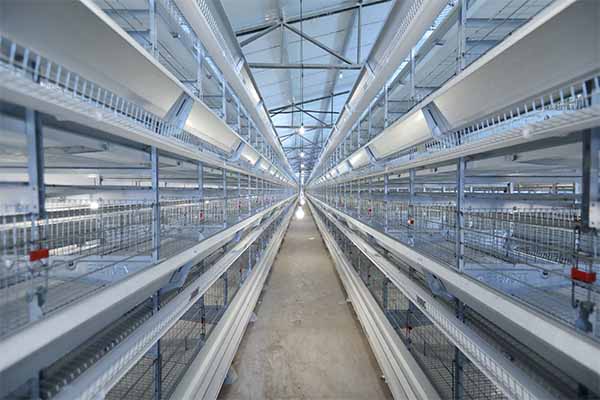
For a 30,000-layer project, farmers can choose either an automatic A type layer cage system or an H type layer battery cage system. If the land area is limited or the farmer wants higher stocking density and better automation, the H type layer battery cage is usually more suitable.
30,000 chickens is recommended if:
- You already have land or a chicken house plan.
- You have stable egg or broiler sales channels.
- You want to reduce labor cost per bird.
- You plan to use automatic feeding, drinking, manure removal, and egg collection.
- You want a professional commercial poultry farm layout.
- You may expand to 50,000, 100,000, or more birds later.
For commercial farms, the main advantage of 30,000 chickens is not only larger production capacity. More importantly, the farm can be designed as a systematic project, including cage layout, feed delivery, water supply, manure removal, ventilation, lighting, and biosecurity planning.
Equipment Configuration for 10,000 and 30,000 Chickens
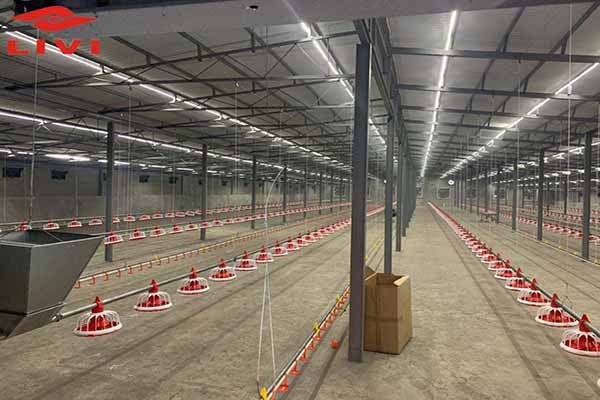
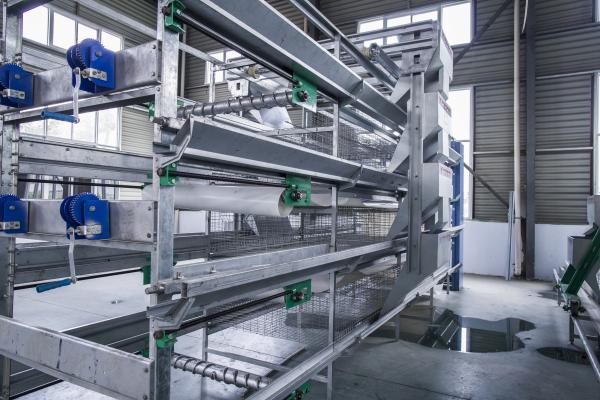
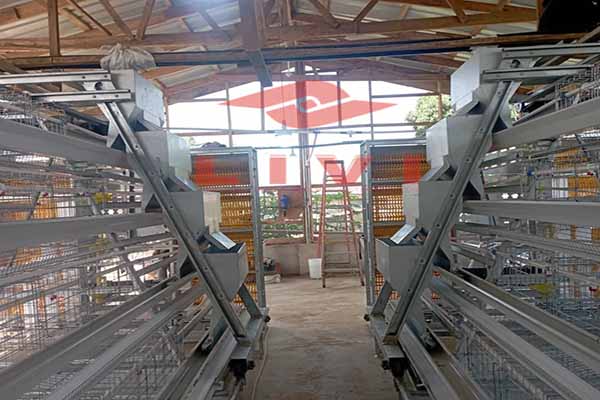
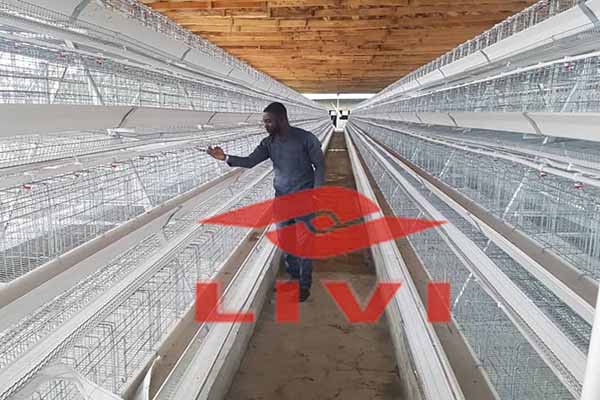
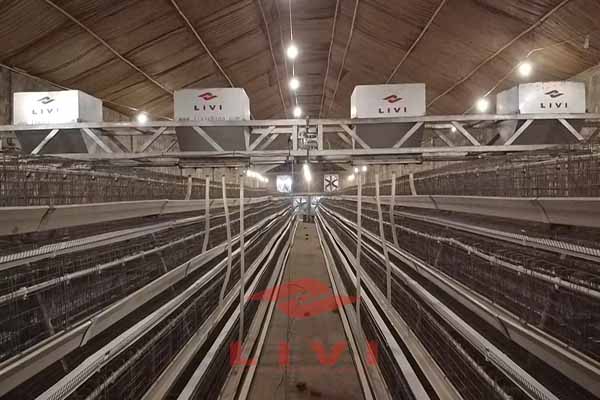
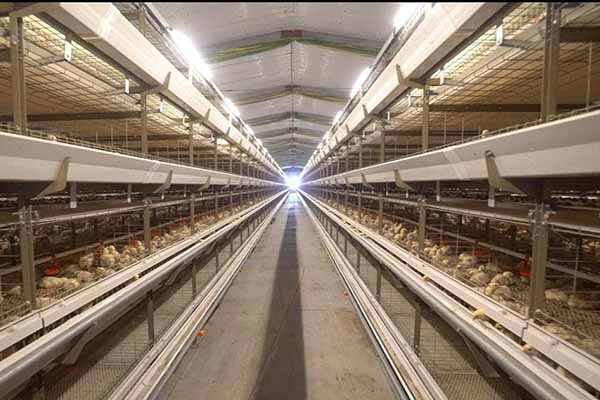
A fully automatic poultry cage system usually includes cage frames, automatic feeding system, nipple drinking system, manure removal system, egg collection system, ventilation fans, cooling pads, lighting system, control cabinet, and optional feed silo.
| Farm Scale | Recommended Cage System | Automation Level | Suitable Project |
|---|---|---|---|
| 10,000 layers | A type layer cage | Manual, semi-automatic, or basic automatic | Beginner egg farm |
| 10,000 broilers | Broiler cage or floor system | Drinking, ventilation, optional feeding | Small broiler farm |
| 30,000 layers | H type layer cage or automatic A type cage | Fully automatic recommended | Commercial egg farm |
| 30,000 broilers | Broiler cage system or closed broiler house | Feeding, drinking, ventilation, manure removal | Commercial broiler farm |
For 10,000 chickens, farmers can start with a basic system and add more automation later. For 30,000 chickens, Livi Machinery usually recommends a complete automatic poultry cage system from the beginning to improve management efficiency and reduce long-term labor pressure.
A Type Cage or H Type Cage: Which Is Better?
The choice between A type and H type cages depends on farm capacity, house size, budget, labor cost, and automation level.
| Cage Type | Best Suitable Scale | Main Advantage | Suitable Farmer |
|---|---|---|---|
| A type layer cage | 5,000 to 30,000 layers | Lower investment and easy management | Beginner and medium farm |
| H type layer cage | 30,000 layers and above | High capacity, better automation, space saving | Commercial poultry farm |
| Broiler cage system | Medium and large broiler farms | Higher stocking density and easy manure handling | Broiler meat production |
| Pullet cage system | Replacement pullet farms | Uniform growth and easier management | Layer farm with pullet rearing plan |
For farms above 30,000 layers, H type cages are often more efficient because they allow more birds in the same chicken house area. They are also easier to connect with automatic feeding, manure belt cleaning, central egg collection, and environmental control systems.
Cost Factors: Why 30,000 Chickens May Be More Efficient
Many farmers only compare the total investment, but the more important point is the cost per bird. A 30,000-chicken farm requires a higher total budget, but the unit cost may be more efficient because the chicken house, equipment, labor, and management system are used at a larger scale.
| Cost Factor | 10,000 Chickens | 30,000 Chickens |
|---|---|---|
| Chicken house construction | Lower total cost | Higher total cost but better scale efficiency |
| Cage system | Lower quantity | More cages but better equipment utilization |
| Feeding system | Optional automation | Automatic feeding recommended |
| Drinking system | Nipple drinking system | Nipple drinking system with stable pressure control |
| Manure removal | Manual or automatic | Automatic manure removal recommended |
| Egg collection | Manual or semi-automatic | Automatic egg collection recommended |
| Labor cost per bird | Higher | Lower |
| Management system | Simple | More professional |
This is why many commercial farmers prefer to make a complete poultry farm design before construction. A good layout can reduce wasted space, improve ventilation, and make future expansion easier.
Labor Requirement: 10,000 vs 30,000 Chickens
Labor is one of the biggest long-term costs in poultry farming. A small farm can depend more on manual work, but a larger farm should use automation to avoid high daily labor pressure.
| Farm Scale | Manual System | Semi-Automatic System | Fully Automatic System |
|---|---|---|---|
| 10,000 chickens | More workers needed | Suitable | Optional |
| 30,000 chickens | Not recommended | Possible but labor pressure is high | Recommended |
For 30,000 chickens, automatic feeding, drinking, manure removal, and egg collection can greatly reduce daily workload. Workers can focus more on flock observation, disease prevention, feed records, egg grading, and farm hygiene instead of repetitive manual work.
Step-by-Step Recommendation for New Farmers
Step 1: Confirm your market
Before deciding between 10,000 and 30,000 chickens, confirm whether you have stable buyers for eggs, broilers, or pullets. A larger farm needs stronger sales capacity.
Step 2: Check your land and chicken house size
The available land and house size will directly affect cage layout, ventilation design, manure removal direction, and expansion plan.
Step 3: Decide the automation level
If your budget is limited, you can start with basic equipment for 10,000 chickens. If you choose 30,000 chickens, full automation is usually more suitable.
Step 4: Choose the right cage system
A type cages are suitable for lower investment and medium-scale farms. H type cages are suitable for higher capacity and commercial farms.
Step 5: Request a professional design and quotation
Before purchasing equipment, share your country, chicken quantity, chicken house size, and automation requirements with Livi Machinery. Our team can provide a poultry farming equipment configuration plan and quotation according to your project.
Which Option Has Better ROI?
The ROI of a poultry farm depends on many factors, including chick price, feed cost, egg price, broiler market price, mortality rate, labor cost, electricity cost, vaccination program, and equipment durability.
In general, 30,000 chickens may have better ROI potential if the farm is well managed, because production volume is larger and labor cost per bird is lower. However, 10,000 chickens may have lower risk and a more stable learning curve for beginners.
| ROI Factor | 10,000 Chickens | 30,000 Chickens |
|---|---|---|
| Initial investment pressure | Lower | Higher |
| Production volume | Medium | Higher |
| Labor efficiency | Medium | Better |
| Market pressure | Lower | Higher |
| Management difficulty | Easier | Higher |
| Expansion potential | Good | Better |
| Commercial value | Medium | Strong |
For a first-time farmer, the safest path is often to start with 10,000 chickens and expand later. For an investor with enough budget and sales channels, 30,000 chickens is usually a more practical commercial scale.
Why Choose Livi Machinery for Your Poultry Farm Project?
Livi Machinery provides one-stop poultry farm solutions for farmers and investors who want to build farms from 10,000 to 500,000 birds. Our solutions can be customized according to country, climate, house size, chicken type, and automation level.
Livi Machinery can provide:
- Free poultry farm layout design
- A type and H type chicken cage systems
- Automatic feeding system
- Automatic drinking system
- Automatic manure removal system
- Automatic egg collection system
- Ventilation and cooling pad system
- Steel structure chicken house solution
- Shipping and installation support
- Equipment quotation based on real farm size
Whether you plan to start with 10,000 chickens or 30,000 chickens, Livi Machinery can help you choose the right cage system, design the chicken house layout, and prepare a practical investment plan.
Contact Livi Machinery and share your country, chicken quantity, chicken house size, layer or broiler project, and required automation level. Our team can provide a free poultry farm design and equipment quotation for your project.
Common Mistakes to Avoid
Many new farmers make decisions based only on cage price. In reality, cage price is only one part of the total poultry farm investment. Chicken house design, ventilation, manure handling, feeding efficiency, water pressure, installation quality, and after-sales support are also very important.
Avoid these common mistakes:
- Choosing 30,000 chickens without stable sales channels
- Building the chicken house before confirming cage layout
- Ignoring ventilation and cooling system design
- Choosing manual operation for a large farm
- Buying cages without considering future expansion
- Comparing only price instead of full system configuration
- Not planning manure removal and egg collection routes
A poultry farm should be designed as a complete production system, not only as a group of cages.
Final Recommendation
If you are a beginner, starting with 10,000 chickens is safer. It allows you to learn poultry farming, test your local market, control investment risk, and expand later.
If you already have enough budget, land, workers, and sales channels, starting with 30,000 chickens is usually better. It is more suitable for commercial poultry farming and makes better use of automatic poultry equipment.
The best decision is not only about chicken quantity. It is about whether your farm design, cage system, ventilation, labor plan, and market channels can support your target capacity.
For most serious poultry investors, the recommended path is:
Start with 30,000 chickens if your market and budget are ready. Start with 10,000 chickens if you want to reduce risk and expand step by step.
FAQ
Is 10,000 chickens enough for a commercial poultry farm?
Yes, 10,000 chickens can be used as a small commercial poultry farm, especially for beginners. It is easier to manage and requires lower investment than a 30,000-chicken farm.
Is 30,000 chickens too large for a new farmer?
30,000 chickens may be challenging for a new farmer if there is no experience, no stable market, or no professional farm design. However, with automatic equipment and proper management, it is a good scale for commercial poultry farming.
Which cage system is better for 10,000 layers?
For 10,000 layers, A type layer cages are usually suitable because they require lower investment and are easy to operate. Farmers can also add automatic feeding or manure removal according to budget.
Which cage system is better for 30,000 layers?
For 30,000 layers, H type layer battery cages are usually more suitable if the farmer wants higher capacity, better automation, and lower labor cost per bird.
How many workers are needed for 30,000 chickens?
The number of workers depends on automation level. A manual farm needs more workers, while a fully automatic poultry cage system can reduce labor and improve daily management efficiency.
How can I get a free design for my poultry farm?
You can contact Livi Machinery and provide your country, chicken quantity, chicken house size, chicken type, and automation requirements. Our team will prepare a free poultry farm design and equipment quotation for your project.
CTA
Planning to start with 10,000 or 30,000 chickens?
Contact Livi Machinery and send us your country, chicken quantity, chicken house size, layer or broiler project, and required automation level. Our technical team can help you choose the right cage system, prepare the chicken house layout, and provide a free poultry farm design with equipment quotation.