


.livi-tag-link:hover{color:#c95757 !important;}
Quick Answer: What Must a 30,000-Layer Buyer Verify Before Signing?
Do not select an A-Type vs H-Type layer cage for 30000 layers in Ghana from a headline price or bird-capacity statement alone. Require both suppliers to price the same approved project brief: poultry-house drawing or land dimensions, target flock, water and power arrangements, operating workflow, automation target, and expansion intention.
Planning a Comparable 30,000-Layer Ghana Project?
Share your poultry-house drawing or land dimensions, target capacity, water and power conditions, workflow needs, and expansion plan for a quotation-scope review.
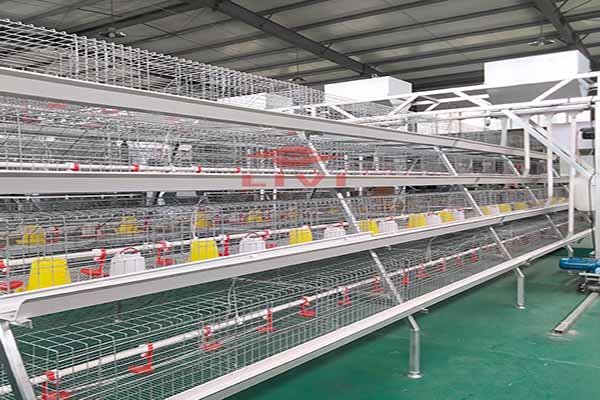
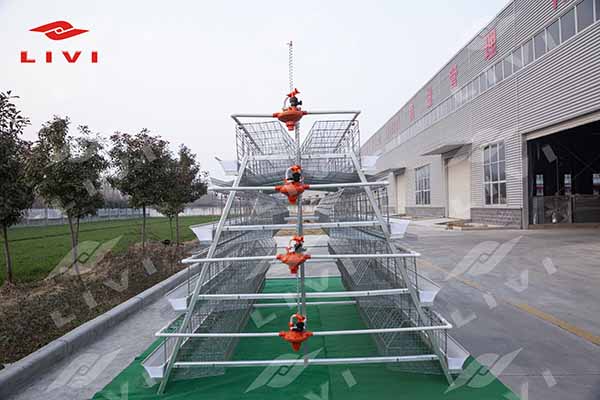
The supplied A-Type Layer Cage information confirms a stated application range of 5,000–30,000 birds, Q235 steel, hot-dip galvanizing, an A-Type tiered structure, and a stated 15–20 year service life. These facts do not establish the final Ghana layout, cage quantity, tier count, included automation, or installation responsibilities. No comparable verified H-Type data have been supplied, so those details must be requested from the H-Type supplier in writing.
A contract-ready comparison separates verified equipment facts, preliminary design assumptions, and items pending final technical confirmation. That distinction is more useful than comparing cage prices without matching the scope.
Start With One Written Project Brief
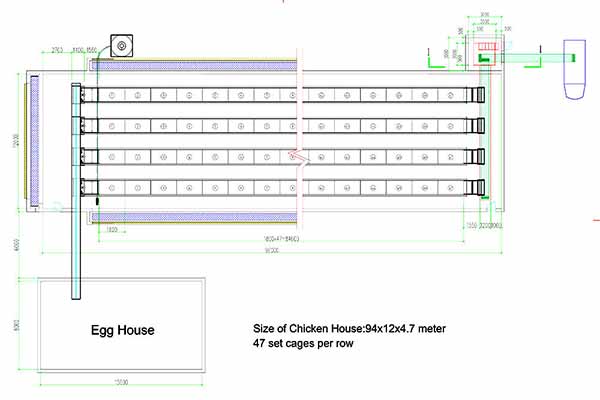
Give every bidder the same brief for the 30,000-layer project. It should include the Ghana site location, house drawing or land dimensions, intended workflow, labor plan, water source, electrical arrangement, ventilation concept, manure route, egg route, and expansion plan.
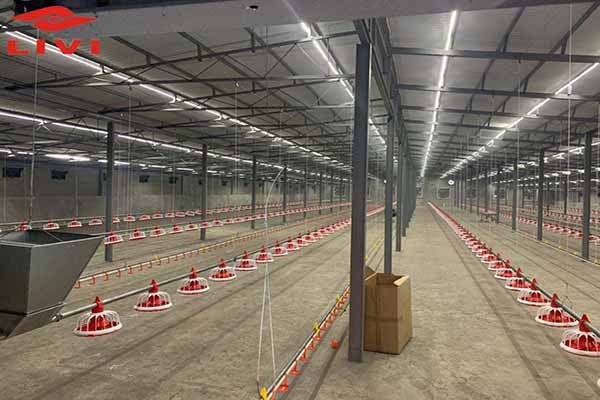
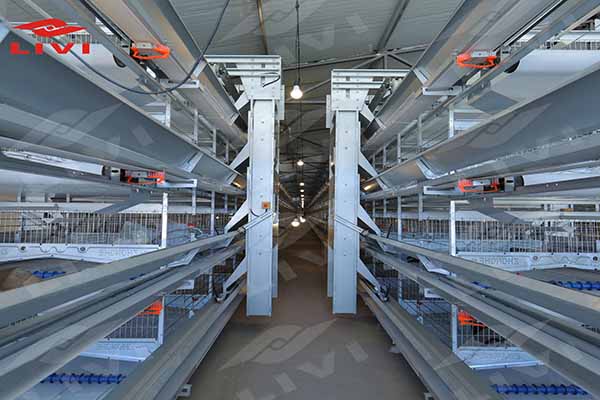
The house should be assessed as an operating system, not simply as space for cage frames. FAO notes that larger commercial poultry operations commonly make greater use of commercial equipment, mechanization, automation, and fan-based ventilation management and housing. This does not determine whether A-Type or H-Type is suitable, but it explains why cage selection, utilities, ventilation, and daily workflow should be reviewed together.
Ask each supplier to state whether its proposal is a cage-only offer, a partial equipment package, or a complete poultry cage system with defined interfaces. A lower quotation may have a narrower boundary. It is not a lower-cost equivalent until every omitted system and site responsibility is visible.
Which Quotation Differences Actually Change the A-Type or H-Type Decision?
Neither cage type is universally better. The relevant question is whether a specific proposal fits the final house, management method, utilities, and expansion path. An A-Type Layer Cage proposal can be assessed against the supplied product facts. An H-Type proposal needs equivalent supplier evidence before technical or commercial comparison.
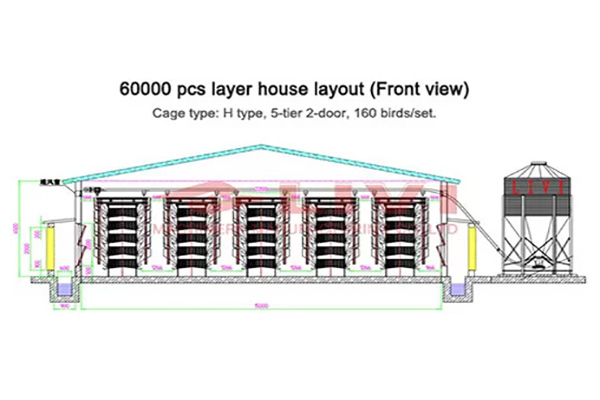
For 30,000 layers, require both proposals to identify their capacity basis. A bird range is not a final engineering calculation. The buyer should see proposed cage quantity, tiers, rows, aisle allowance, service access, feed route, water interfaces, egg route, manure route, and maintenance access. The final house dimensions and layout must support these items before approval.
A layer battery cage system must also be checked against operational boundaries. A supplier may include cage frames and drinking components while leaving electrical work, water connections, ventilation, manure discharge, or commissioning to the buyer. These boundaries determine whether equipment can be assembled and operated as planned.
Compare Automation by Function, Not Label
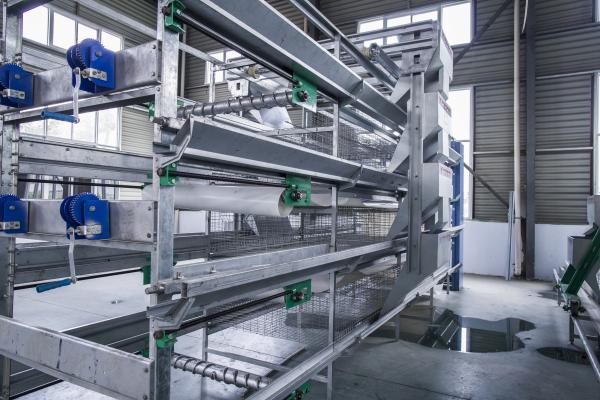
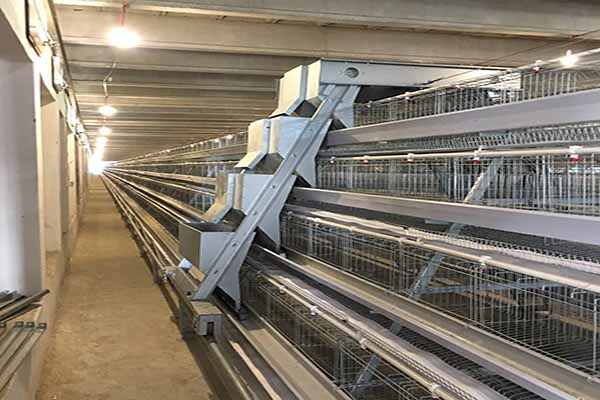
“Automatic” and “semi-automatic” are not sufficient descriptions. Compare the supplied functions for Automatic Feeding, Automatic Drinking, Automatic Manure Removal, Automatic Egg Collection, Automatic Ventilation, Automatic Environmental Control, and the Control System. Then identify the labor, civil works, electrical work, water connections, and procedures outside the supply.
An automatic layer cage system may be appropriate where the buyer needs coordinated equipment interfaces. A semi-automatic proposal may suit a management plan that accepts more manual work. Neither label proves better value. Compare the included workflow and the farm’s ability to operate and maintain it.
Quotation Comparison Matrix for a 30,000-Layer Ghana Project
| Quotation Checkpoint | A-Type Quotation: Verified or Required Detail | H-Type Quotation: Required Supplier Detail | Contract Decision or Evidence Needed |
|---|---|---|---|
| Product facts | Supplied data: Q235 steel, hot-dip galvanizing, A-Type tiered structure, 5,000–30,000 bird range, stated 15–20 year service life | Material, coating, structure, capacity basis, and service-life claim require evidence | Product documents and material description |
| Final layout | Cage quantity, tiers, rows, house fit, aisles, and access remain pending | Same details remain pending | Approved drawing and capacity calculation |
| Feeding and drinking | Mark included, optional, excluded, or pending | Mark included, optional, excluded, or pending | Equipment and utility schedule |
| Manure, eggs, ventilation, controls | Identify system boundaries and controls | Identify equivalent system boundaries | Function-by-function scope schedule |
| Electrical and commissioning | Confirm electrical, installation, testing, and commissioning responsibilities | Confirm equivalent responsibilities | Responsibility matrix |
| Commercial terms | FOB and CIF are listed methods; other details require confirmation | Request quotation basis and terms | Written exclusions and selected term |
| Delivery and support | Packaging, unloading, training, spares, warranty, and support require confirmation | Request equivalent terms | Packing and service documents |
Do not accept “complete equipment” without an itemized schedule. Mark every line included, optional, excluded, or pending confirmation. Request drawings, equipment lists, interface schedules, material and coating descriptions, packing information, and final technical documents before signing.
Need to Validate a Cage Supplier Proposal?
Send the A-Type or H-Type quotation, equipment list, and stated delivery terms so the included systems, exclusions, and pending technical confirmations can be discussed.
How to Check A-Type Quality Claims and H-Type Evidence
For the supplied A-Type Layer Cage, request confirmation that the quoted structure matches the stated Q235 steel and hot-dip galvanized finish. Confirm that equipment identification, product descriptions, and pre-dispatch records match the approved quotation. The stated 15–20 year service life is supplied product information; it does not replace project-specific maintenance, installation, or warranty commitments.
For an H-Type offer, request the same evidence before comparison: material, surface treatment, structural arrangement, capacity calculation, maintenance access, automation interfaces, and service-life statement. If these are absent, the comparison remains incomplete regardless of price.
Housing choices should also account for bird-management requirements. FAO states that poultry need an environment meeting physiological requirements for production poultry housing and management. This is not a Ghana regulatory requirement and does not validate a specific proposal. It supports reviewing ventilation, access, sanitation workflow, and management conditions alongside equipment selection.
A 30,000-Layer Ghana Quotation Review Is a Planning Scenario
Consider a buyer reviewing two preliminary offers for 30,000 layers. One references the supplied A-Type Layer Cage facts; the other proposes H-Type equipment with limited engineering detail. Rather than selecting the lower total, the buyer requests comparable drawings, capacity calculations, equipment schedules, automation interfaces, exclusions, and a responsibility matrix.
The A-Type offer can be checked against its stated bird range, Q235 steel, hot-dip galvanizing, tiered structure, and stated service life. Yet that range does not establish the final unit count, tiers, rows, or house dimensions. The H-Type supplier must provide comparable specifications rather than general statements about density or automation.
A quotation can be approved only when each cost and operational interface is traceable to an included item, an excluded item, or a documented buyer responsibility. Until then, it is a planning document, not a complete project commitment.
How Should Delivery Terms and Ghana Site Readiness Be Written Into the Contract?
The supplied product information lists FOB and CIF quotation methods. The chosen term needs a written division of responsibility; it is not a complete explanation of delivery scope. Confirm packaging information, shipment documents, destination and local handling, unloading, insurance where applicable, and exclusions before signing.
The supplied records do not confirm packaging method, transport method, container-loading quantity, transit time, Ghana delivery cost, unloading equipment, or local charges. Do not assume these details. Also identify responsibility for civil works, house readiness, local electrical work, water connections, storage, site access, and installation workspace.
Before dispatch, freeze the drawing, equipment schedule, quotation version, and responsibility matrix. At receipt, reconcile packages and equipment identifiers against the approved list, recording missing, damaged, or mismatched items before assembly. Follow the agreed sequence for installation, connection, testing, commissioning, and training.
Supplier Capability Checks Before Approval
Evaluate the supplier beyond the cage frame. Request written answers to these questions:
- Can the supplier prepare a project-specific layout from the site drawing, target flock, workflow, utilities, and expansion plan?
- Which cage components and Poultry Automation Equipment are included, optional, excluded, or supplied by another contractor?
- What production-control documents support the quoted material, coating, equipment identification, and pre-dispatch review?
- Who is responsible for design confirmation, delivery documents, installation, commissioning, training, spare-parts lists, warranty terms, and technical-support contacts?
- What acceptance criteria, unresolved-item process, and change-order procedure apply?
LIVI states that it supplies cage systems and associated Automatic Feeding, Automatic Drinking, Automatic Manure Removal, Automatic Egg Collection, Automatic Ventilation, and Automatic Environmental Control equipment. It also states that its support can extend from farm planning and customized solutions through production, cross-border delivery, installation, commissioning, and long-term service. For a Ghana project, the final scope, timing, training, spare-parts arrangement, warranty, and support commitments must be documented in the contract.
Final Contract Checklist
Before issuing a contract or deposit, confirm that the file includes:
- approved house or land layout and final capacity basis;
- cage type, quantity, tiers, rows, aisles, and access requirements;
- an itemized equipment schedule and automation boundary;
- material and surface-treatment descriptions for the quoted cage;
- water, electrical, ventilation, egg, and manure interface responsibilities;
- selected FOB or CIF basis and delivery responsibilities;
- packing, receiving, unloading, storage, and installation requirements; and
- commissioning, training, spares, warranty, support, acceptance, and change-handling terms.
This process turns an A-Type vs H-Type layer cage comparison into a controlled procurement review instead of a price-only decision.
FAQ
How can I compare A-Type and H-Type layer cage quotations for 30,000 layers in Ghana fairly?
Use one written project brief and require both suppliers to state the capacity basis, house layout, cage arrangement, included systems, exclusions, utilities, installation scope, and delivery responsibilities. Check the supplied A-Type information against its stated material, coating, application range, and service life. Request equivalent documentary detail from the H-Type supplier before comparing commercial totals.
Does the stated 5,000–30,000 bird range confirm that an A-Type Layer Cage will fit my poultry house?
No. The stated 5,000–30,000 bird range is a product applicability reference, not a final Ghana house design. Final fit depends on approved house or land dimensions, layout, rows, tiers, aisles, service access, water and power interfaces, and the selected equipment scope. A supplier should confirm these details through project-specific engineering documents.
What should be included or clearly excluded in a layer cage quotation?
The quotation should identify the cage structure and every relevant interface: Feeding System, Drinking System, Manure Removal System, Egg Collection System, Ventilation System, Climate Control System, controls, electrical work, installation, commissioning, training, spares, and warranty. Mark each item as included, optional, excluded, or pending final technical confirmation so the buyer can compare proposals on the same scope.
How should I evaluate automatic versus semi-automatic layer cage options?
Compare actual workflow functions and interfaces, not only the automation label. Confirm which feeding, drinking, manure, egg-handling, ventilation, and control functions are supplied and what labor or site infrastructure remains necessary. The suitable level depends on the farm’s management plan, house layout, utility conditions, and budget boundary; no project-specific automation configuration has been supplied.
What delivery terms can I request for an LIVI A-Type Layer Cage quotation?
The supplied product information lists FOB and CIF quotation methods. Before signing, obtain written confirmation of the chosen term, packaging, shipping documents, destination responsibilities, unloading, local handling, insurance scope where applicable, and all exclusions. The supplied information does not define these project-specific details, so they should be documented in the final quotation and contract.
Which supplier-support commitments should be written into the final contract?
Request written responsibilities for final design, equipment list, pre-dispatch checks, delivery documentation, installation, commissioning, training, spare parts, warranty, and technical support. LIVI states that it can support planning through long-term service, but project-specific commitments, timing, and service terms must be confirmed in final documents. Include acceptance criteria and a process for unresolved items as well.
Planning a Comparable 30,000-Layer Ghana Project?
Need to Validate a Cage Supplier Proposal?
TAGs: 30,000-layer Ghana project, A-Type Layer Cage quotation, H-Type layer cage comparison, layer cage supplier proposal, Automatic Feeding and Manure Removal, poultry house layout review