


.livi-tag-link:hover{color:#c95757 !important;}
Quick Answer: What Does a Layer Cage Price in Nigeria Actually Cover?
A layer cage price in Nigeria is one line in a complete poultry-project budget, not the total investment. A quotation may cover the Layer Cage alone or specified supporting equipment. It does not automatically establish responsibility for poultry-house works, utilities, delivery handling, installation, operating inputs, maintenance, or biosecurity preparation.
Planning a Comparable 30,000-Layer Quote?
Share your Nigerian site dimensions, poultry house status, water and power conditions, automation needs, and delivery destination for a scope-based project review.
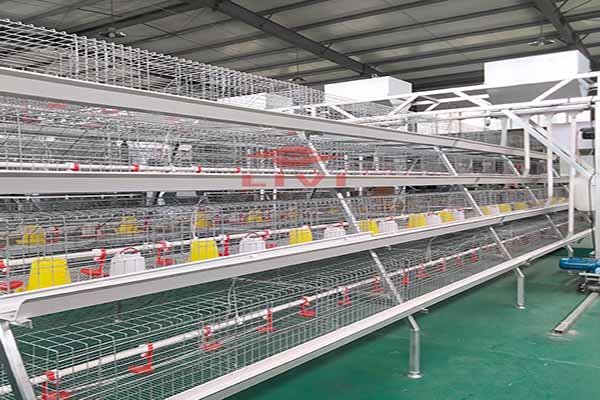
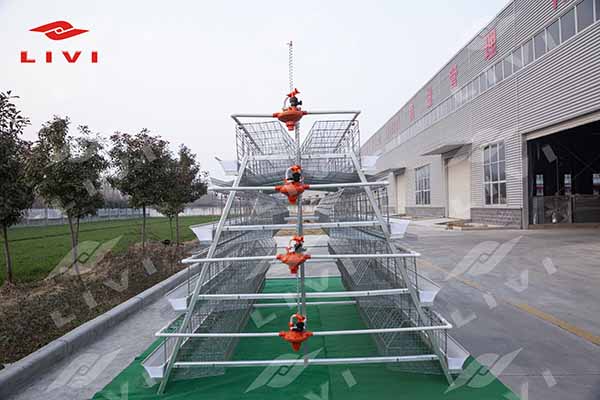
For a planned 30,000-layer project, the LIVI A-Type Layer Cage is within its stated 5,000–30,000-bird application range. The supplied product information confirms Q235 steel, hot-dip galvanizing, an A-Type layered structure, and a stated 15–20 year service life. It does not provide a public price, final cage quantity, house dimensions, tier or row arrangement, equipment quantities, utility requirements, or Nigeria-specific delivery cost.
A reliable comparison of 30000 layers cage cost Nigeria therefore requires a common technical scope. Final layout, automation interfaces, project responsibilities, and commercial terms should be confirmed in project-specific technical documents before selecting a supplier.
Why a Cage Price Is Not the Same as a Farm Investment
A Layer Cage is a central asset, but it operates inside a wider Layer Farming System. A buyer comparing only cage figures may compare different projects: one proposal may cover a cage structure, while another identifies supporting equipment, delivery terms, technical support, or installation activities. Neither figure is comparable until the boundaries align.
Separate initial capital items, recurring operating needs, and long-term maintenance. Initial investment may include land or site preparation, poultry-house construction or renovation, the layer battery cage system, water and electrical infrastructure, drainage, delivery handling, installation arrangements, and biosecurity preparation. Recurring requirements can include birds, feed, labor, water, electricity, cleaning materials, and routine management. Long-term planning should address spare parts, wear parts, service access, repairs, and upgrades.
No Nigeria cost figures have been supplied for these items. This is why a cage-only figure should not be treated as a complete farm budget. The key question is: which technical and commercial responsibilities are included, excluded, or pending confirmation?
30,000-Layer Nigeria Budget Scope: Confirmed Product Data and Quote Inputs
| Cost or Configuration Item | Confirmed Information | Information Required for a Comparable Quote | Budget Boundary to Check |
|---|---|---|---|
| A-Type Layer Cage | 5,000–30,000 birds; Q235 steel; hot-dip galvanizing; stated 15–20 year service life | Final quantity, tier and row arrangement, house fit, and layout | Cage supply versus house modification and installation |
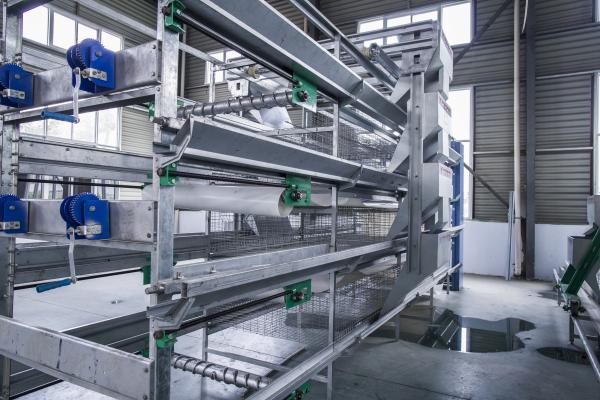
| Feeding and cleaning | Intelligent feeding and cleaning systems are described with the product | Exact scope, controls, power interfaces, consumables, and installation boundary | Do not assume system inclusion without a quotation |
| Additional automation | Automatic Drinking, Automatic Egg Collection, Automatic Manure Removal, Ventilation System, and Climate Control System are equipment categories | Proposed systems, interfaces, and exclusions | Identify each relevant system separately |
| Poultry house and utilities | No house or utility specification is supplied | Water, electrical supply, backup power, drainage, access, and biosecurity requirements | Project-level infrastructure responsibilities |
| Delivery and installation | FOB and CIF are available quotation methods | Named destination, unloading, inland handling, installation, commissioning, training, and exclusions | Transport and site-service boundary |
| Lifecycle planning | Stated cage service life is 15–20 years | Maintenance duties, spare parts, wear parts, and support process | Costs after equipment handover |
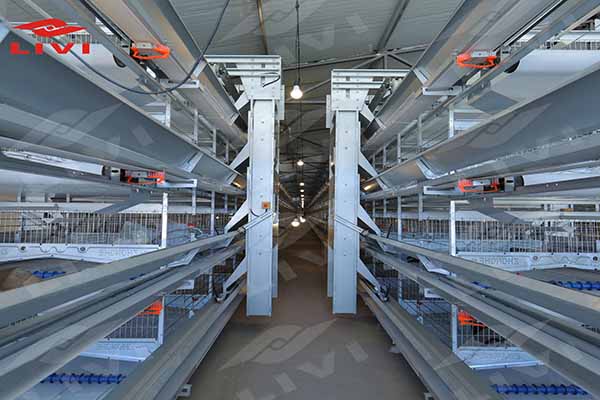
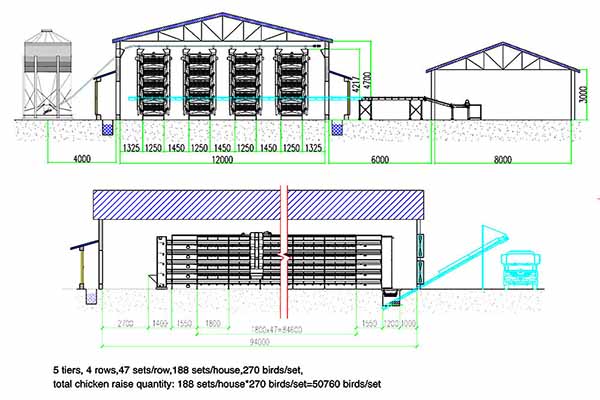
The A-Type layered structure is a product-fit starting point, not a final engineering plan. A final A type layer cage configuration must match the poultry house or land, installation access, utility routes, workflow, and expansion objective.
Which Cost Decisions Change a 30,000-Layer Cage Quote?
Existing house versus new construction
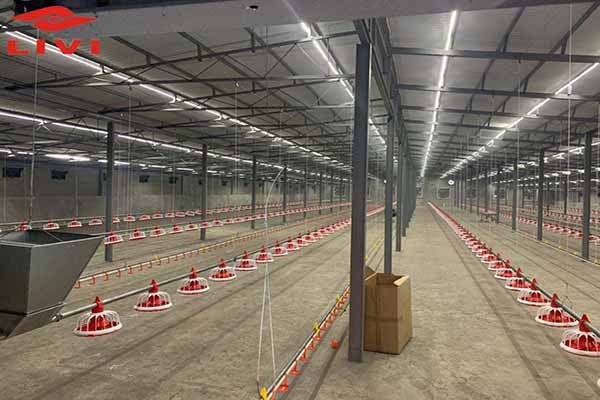
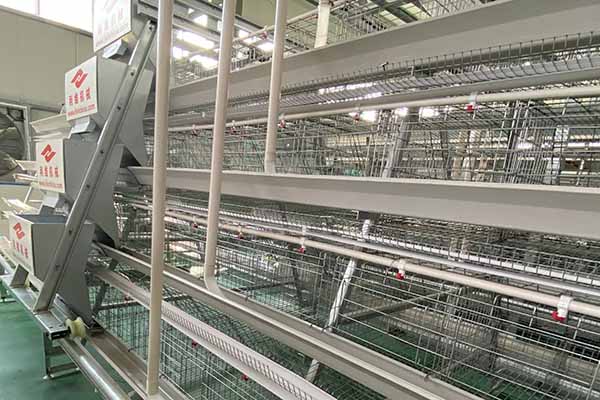
An existing building may change the project boundary. Dimensions, structural condition, entry points, working aisles, ventilation approach, water and electrical connections, and space for equipment movement affect whether the arrangement fits. A new poultry house creates different decisions because cage layout, utilities, drainage, access, and service areas can be planned together.

Need to Compare Cage Suppliers Clearly?
Send your supplier proposals and required services to identify differences in equipment inclusions, delivery terms, installation boundaries, maintenance planning, and technical documentation.
Neither option should be assumed to cost less without technical review. Provide house drawings where available, or accurate land dimensions for a new house. Final poultry-house fit remains subject to project-specific technical documents.
The automation boundary
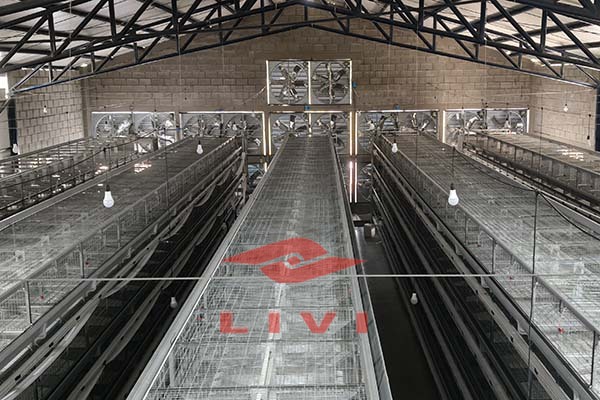
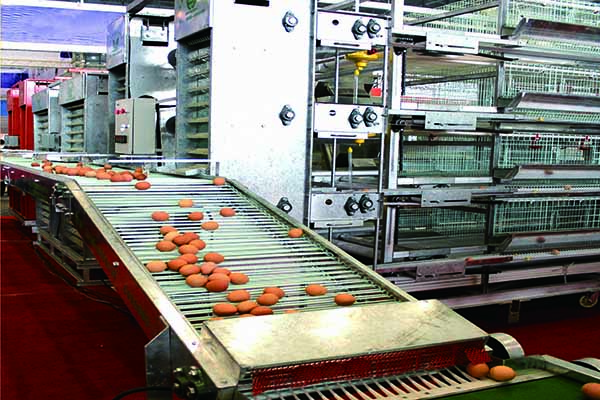
Automation should be evaluated by function and interface, not by a general label. A buyer may assess Automatic Feeding, Automatic Drinking, Automatic Manure Removal, Automatic Egg Collection, Automatic Ventilation, and Environmental Control. Each item has its own supply scope, installation needs, operating interface, and maintenance requirements.
Manual, semi-automated, and higher-automation approaches change the quotation boundary. They may also change power distribution, controls, maintenance access, operator procedures, and spare-parts planning. Do not assume an automatic layer cage system includes every function; require each proposed system to be named in the quotation.
FAO notes that medium- and large-scale commercial poultry production increasingly uses commercial materials, equipment, mechanization, and automated ventilation with fans management and housing. This supports reviewing ventilation and equipment interfaces early, but does not confirm a Nigerian configuration or LIVI system inclusion.
Material and lifecycle review
The verified A-Type Layer Cage information identifies Q235 steel and hot-dip galvanizing, with a stated 15–20 year service life. Review these facts alongside project documentation for the proposed supply. Ask for an equipment list, installation interfaces, available inspection options, and maintenance responsibilities.
Lifecycle planning also requires practical answers: Which parts need routine attention? What spare parts are proposed? Who maintains the system onsite? What support process applies after commissioning? The supplied information does not state a warranty period, maintenance interval, or spare-parts package, so written clarification is required.
Operating costs outside the equipment quote
The equipment purchase is only the beginning of cost control. Feed, birds, labor, water, electricity, cleaning, routine inspection, maintenance, and biosecurity preparation belong in the operating plan. Confirm responsibility for backup power, water continuity, manure handling, egg handling, and service access.
No feed, energy, labor, land, construction, tax, customs, or regulatory figures have been supplied for Nigeria. Build these inputs separately with the local project team, and use the supplier quotation only for its stated equipment and service scope.
How Should Delivery, Site Readiness, and Utilities Be Budgeted Separately?
FOB and CIF are available quotation methods for this product. Before accepting either basis, confirm the named port or destination, insurance boundary, document responsibilities, customs and clearance coordination, inland transport, unloading, storage, and local handling. A quotation method alone does not establish every responsibility after shipment.
Review site readiness before dispatch. Confirm the delivery route, unloading area, secure storage location, installation work area, and coordination between civil works and installation. Address poultry-house completion, water, electrical supply, drainage, access, ventilation interfaces, Climate Control System interfaces, and biosecurity preparation in a written responsibility matrix.
The matrix should state who verifies site conditions, equipment lists, shipping documents, installation tools, local labor, commissioning prerequisites, training arrangements, acceptance items, and exclusions. This prevents unresolved interfaces from becoming disputes.
FAO material notes that commercial layer houses may use wire cages in open sheds or sheds with wire sides, and that housing design must be considered with management conditions poultry housing and management in developing countries. This does not define the correct house type for a Nigerian project; the design must be reviewed against the site and final equipment plan.
How to Compare Supplier Proposals on the Same Basis
Use one request document for every chicken cage supplier Nigeria buyer is evaluating. State the 30,000-layer target, poultry-house status, drawings or land dimensions, delivery destination, water and power conditions, desired automation scope, access conditions, expected services, and expansion needs.
Compare each response against the same checkpoints:
- Confirmed cage material, surface treatment, stated application range, final layout, and equipment list.
- Included and excluded Automatic Feeding, Automatic Drinking, Automatic Manure Removal, Automatic Egg Collection, Ventilation System, and Climate Control System items.
- FOB or CIF basis, named destination, unloading and inland-handling responsibility.
- Installation, commissioning, training, acceptance, maintenance, and spare-parts boundaries.
- Technical documents, revisions, and responsibility for each site interface.
- Payment, delivery, and service terms in the formal commercial proposal.
This avoids comparing a cage-only figure with a broader equipment-and-service proposal. It also makes project risks visible before contract approval.
Quote Review for a 30,000-Layer Nigeria Project
No public Nigeria customer case, final project layout, delivered equipment list, installation record, operating result, or cost figure has been supplied for this article. The relevant decision process is a quote review based on verified product information and the buyer’s actual site data.
A buyer can submit house drawings or land dimensions, target automation level, water and power conditions, delivery destination, access limitations, and required supplier services. The supplier should return a scope-based proposal identifying A-Type Layer Cage material and treatment, final layout, proposed automation, exclusions, quotation basis, delivery boundary, installation support, commissioning, training, maintenance items, and spare-parts requirements.
Do not approve a total project budget or supplier selection until technical documents and commercial responsibilities align. LIVI states that it supports farm planning, equipment production, cross-border delivery, installation commissioning, and long-term service. Request the applicable scope, contact process, training terms, spare-parts support, production documentation, and inspection options in writing.
FAQ
What is included in a layer cage price in Nigeria for a 30,000-layer project?
A layer cage price may cover only the Layer Cage or specifically listed supporting systems, so every inclusion and exclusion must be defined in the quotation. Review poultry-house works, utilities, delivery, unloading, installation, commissioning, operating inputs, maintenance, spare parts, and biosecurity preparation separately. No verified public price or standard configuration has been supplied for this 30,000-layer project.
Is the LIVI A-Type Layer Cage suitable for 30,000 layers?
Yes, the supplied product information states that the LIVI A-Type Layer Cage supports 5,000–30,000 birds, so 30,000 layers is within its stated application range. Final cage quantity, tier and row arrangement, poultry-house fit, system interfaces, and utility requirements still need project-specific technical confirmation before an order is finalized.
How should I compare automatic poultry cage quotations in Nigeria?
Compare quotations only after aligning capacity, cage configuration, automation scope, delivery terms, installation responsibilities, training, spare-parts scope, and exclusions. Automatic Feeding, Automatic Drinking, Automatic Manure Removal, Automatic Egg Collection, ventilation, and Environmental Control should be itemized rather than assumed. A cage-only price and an integrated equipment-and-service price are not directly comparable.
What information does a chicken cage supplier need before issuing a reliable quotation?
A supplier needs the planned bird capacity, layer production plan, poultry-house drawings or land dimensions, desired automation level, water and power conditions, delivery destination, access conditions, and expansion requirements. Also identify whether the poultry house is existing or new and state which services, such as installation or commissioning, are expected from the supplier.
Which costs are often missed when budgeting for layer cages?
Common missed budget boundaries include poultry-house construction, site preparation, water and electrical infrastructure, backup power, delivery handling, installation, labor, feed, maintenance, wear parts, and biosecurity preparation. Their actual cost and responsibility cannot be calculated from the supplied product information. They should be checked in the final project plan and separated from the equipment quotation.
Can an A-Type Layer Cage be installed in an existing poultry house?
An A-Type Layer Cage may be evaluated for an existing poultry house, but suitability cannot be confirmed without building dimensions, structural condition, access, utilities, ventilation approach, and intended equipment arrangement. A final layout and technical review should establish cage fit, service access, automation interfaces, and any required site modifications before purchase.
Plan the Next Project Review
TAGs: Nigeria 30000-layer project, A-Type Layer Cage, layer cage quotation scope, poultry automation equipment, layer farm lifecycle planning, FOB and CIF cage quotation