


Summary: This guide details the critical factors for a successful commercial layer farm project in Tanzania, focusing on a 30,000-bird operation. Learn how to select the optimal site, equipment, and management plan for a 30,000-layer farm to maximize egg production efficiency and long-term profitability in the Tanzanian market.
The Strategic Importance of a Commercial Layer Farm Project in Tanzania
Undertaking a Commercial Layer Farm Project in Tanzania represents a significant strategic investment, offering a pathway to food security, job creation, and economic growth within a rapidly developing market. This section explores the operational framework and tangible benefits of establishing such a venture, using a practical case study for illustration.
- Enhanced bird health and consistent egg collection
- Significant labor savings through automated feeding and watering systems
- Improved feed conversion ratios, lowering the primary operational cost
The impact of this strategic approach is clear in practice. Consider a recent project:
- Location: Tanzania
- Farm Size: 10,000-50,000 birds
- Results: The farm achieved a 15% improvement in production efficiency and reduced operational costs by 12% annually through optimized cage design and management protocols. This demonstrates the high return potential of a well-planned Commercial Layer Farm Project in Tanzania.
To translate this potential into your own successful operation, a detailed, localized plan is essential. We recommend following these key steps:Conduct a thorough site analysis and market assessment.Secure a detailed A-Type Layer Cage layout and quotation tailored to your target capacity.Develop a comprehensive business plan focusing on local feed sourcing and veterinary partnerships.
A strategically executed layer farm project delivers reliable profitability and market supply. We provide customized cage solutions with local technical support to ensure your venture’s success from installation to operation. [Contact us] for a personalized project feasibility report and cage layout for your specific scale in Tanzania.
Selecting the Optimal Site for Your 30,000-Layer Farm in Tanzania
Selecting the optimal location is a foundational step for your Selecting a Commercial Layer Farm Project in Tanzania. This decision directly impacts operational logistics, biosecurity, and long-term profitability for a 30,000-bird operation using A-Type layer cages.
- Proximity to Markets: Being within 50-100 km of major urban centers like Dar es Salaam, Mwanza, or Arusha reduces transport costs and ensures fresh egg supply.
- Infrastructure Access: Reliable access to the national grid, a consistent water source (e.g., borehole), and all-weather roads are non-negotiable for sustained operations.
- Biosecurity Buffer: The site should have a natural perimeter, situated at least 1 km from other poultry farms or livestock operations to prevent disease transmission.
For your Selecting a Commercial Layer Farm Project in Tanzania, logistical and environmental planning is equally vital. Essential steps involve:
- Conducting a thorough land survey to confirm stable, well-draining soil to support heavy cage structures.
- Securing necessary permits from local authorities and ensuring the land title is clear for agricultural commercial use.
- Evaluating wind patterns to position housing for optimal natural ventilation, a crucial factor for bird health in Tanzania’s climate.
Ultimately, a meticulously chosen site establishes the framework for a resilient and efficient farm. We provide customized A-Type cage layouts and local installation support tailored to Tanzania’s specific conditions. Contact us for a detailed site evaluation and project feasibility report.
Choosing Equipment for a 30,000-Bird Layer Farm Project
Planning the right equipment is crucial for the success of a commercial-scale Layer Farm Project in Tanzania. This section outlines key considerations for a 30,000-bird operation, focusing on system selection, efficiency gains, and regional applicability to ensure a strong return on investment.
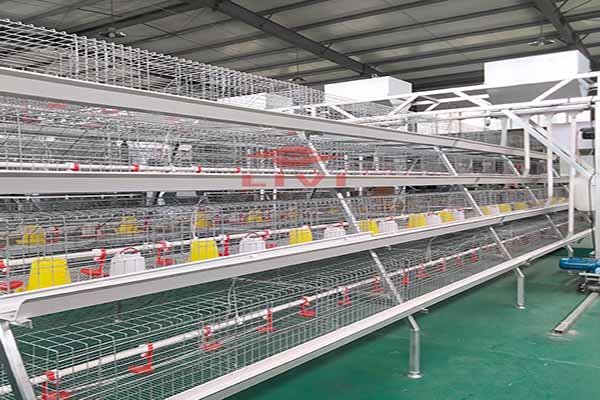
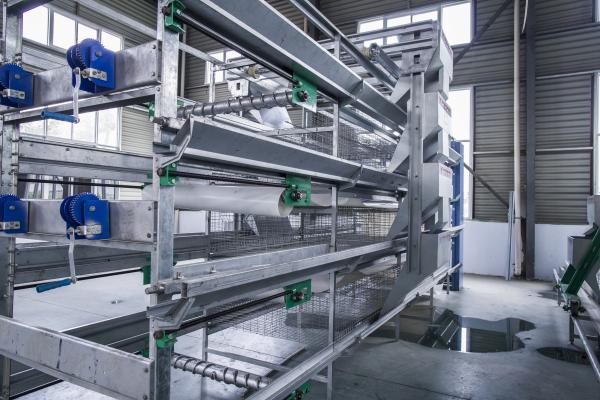
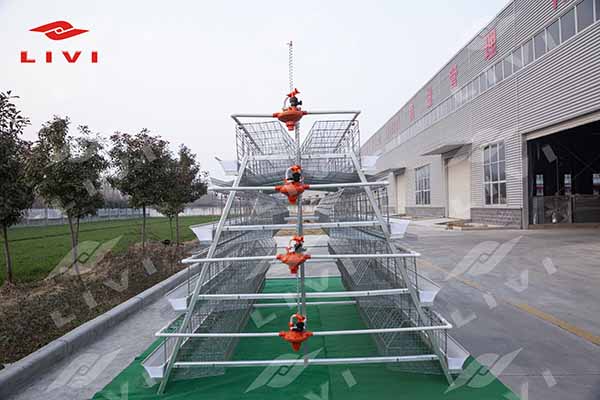
- Automated feeding and egg collection belts
- Nipple drinker lines for clean water access
- Manure drying belts to maintain hygiene
- Durable, hot-dip galvanized steel construction
Implementing such a system follows a logical sequence:
- Conduct a site assessment to finalize the poultry house layout.
- Calculate the exact number of cage tiers and rows needed for 30,000 birds.
- Plan the integration of climate control and ventilation systems.
- Schedule professional installation and staff training.
The impact of proper equipment is clear from a local example. A recent Layer Farm Project in Tanzania with a size of 10,000-50,000 birds reported a 15% improvement in production efficiency and a 20% reduction in operational costs after upgrading to an automated A-Type cage system.
| Project Aspect | Recommendation for 30,000 Birds |
|---|---|
| Cage Type | A-Type Multi-Tier Battery |
| Key Benefit | Optimized space & automated management |
| Regional Fit | Designed for Tanzanian climate conditions |
Selecting robust, automated equipment is the foundation for a profitable and sustainable layer operation. We specialize in providing complete, turnkey solutions with local technical support for projects across East Africa. Request a custom 30,000-bird farm layout and ROI analysis for Tanzania.

Developing a Management Plan for Long-Term Profitability
Developing a robust management plan is essential for securing the long-term profitability of your poultry investment. This section outlines key operational and financial strategies to maximize returns from your Commercial Layer Farm Project, focusing on the efficient use of A-Type layer cages in the Tanzanian market.
A successful management plan begins with precise operational protocols. For a Commercial Layer Farm Project, this involves establishing clear daily routines for feeding, egg collection, and health monitoring to ensure consistent production. Key steps include:
- Implementing a strict biosecurity schedule to prevent disease outbreaks.
- Recording daily feed consumption and egg output per cage row.
- Scheduling regular equipment maintenance, such as checking automatic water lines and manure removal systems on your A-Type cages.
- Initial investment in high-quality A-Type cages and housing.
- Recurring costs like feed (approx. 70% of operational costs), veterinary care, and labor.
- Revenue projections based on a target hen-housed egg production rate of 300 eggs.
To translate planning into profit, consider this illustrative case study from a farm in Morogoro, Tanzania:
| Farm Size | Cage System | Key Management Action | Result (Year 2) |
|---|---|---|---|
| 15,000 Layers | A-Type Layer Cage | Implemented detailed egg & feed tracking | Achieved 5% higher feed conversion ratio |
By integrating disciplined operations with rigorous financial tracking, you build a resilient foundation for your farm. We specialize in supporting Tanzanian farmers with durable A-Type cages and localized operational guidance for such projects. Contact our team for a customized cage layout and management checklist tailored to your Commercial Layer Farm Project scale.
Calculating ROI and Ensuring Financial Viability for Your Project
Understanding the financial metrics behind your poultry equipment investment is crucial for long-term success. This section explores how to calculate return on investment (ROI) and ensure the economic sustainability of your venture, with a focus on the unique factors affecting a Commercial Layer Farm Project in Tanzania.
- Land and housing construction costs
- Equipment purchase, such as an A-Type Layer Cage system
- Cost of day-old chicks and feed
- Labor, utilities, and veterinary expenses
Projecting revenue requires realistic estimates based on local market prices for eggs and spent hens. To build your financial model, follow these steps:
- Itemize all startup and recurring costs.
- Forecast annual egg production and sales revenue.
- Calculate net profit by subtracting total costs from revenue.
- Divide the net profit by the total investment to determine your annual ROI percentage.
For illustration, consider a mid-scale operation in Tanzania. The table below outlines a simplified financial snapshot for such a project.
| Metric | Example Range |
|---|---|
| Farm Size | 10,000 – 50,000 birds |
| Key Equipment | A-Type Layer Cage |
| Target Outcomes | Improved production efficiency by 15-25%, reduced operational costs by 10-20% |
Achieving financial viability hinges on selecting equipment that maximizes efficiency to boost your bottom line. We specialize in durable, space-efficient A-Type Layer Cage systems designed for the Tanzanian climate, which directly contribute to the improved results seen in the case study. To move from planning to action, request a customized ROI projection and cage layout for your specific farm size.
Securing Your Investment: Next Steps for the 30,000-Layer Farm
This section outlines the practical steps to ensure your large-scale poultry investment is protected and profitable, focusing on post-purchase planning and implementation.
For your Layer Farm Project in Tanzania, the initial focus after acquiring A-Type cages must be on infrastructure and logistics. Key steps include:
- Finalizing the poultry house construction to precise dimensions.
- Organizing the import and customs clearance for equipment.
- Scheduling professional installation and commissioning.
- Biosecurity protocols and staff training schedules.
- A reliable feed supply chain and vaccination program.
- Financial planning for the first 6 months of operation.
By methodically managing these next steps, you secure the long-term viability of your Layer Farm Project in Tanzania. We specialize in turnkey solutions with local technical support to ensure a smooth start. [Contact us] for a detailed project timeline and support package.