


Quick Answer: How Should You Buy Chicken Cages for 30,000 Layers in Uganda?
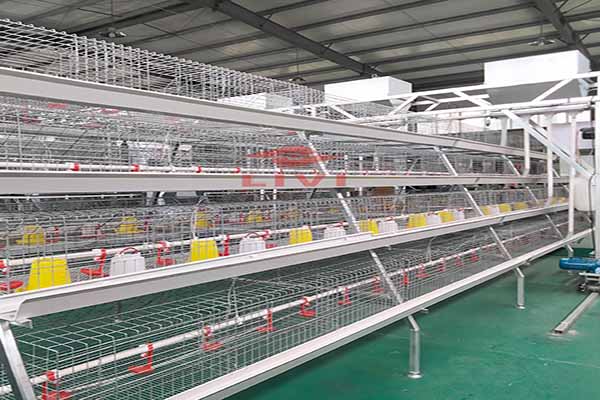
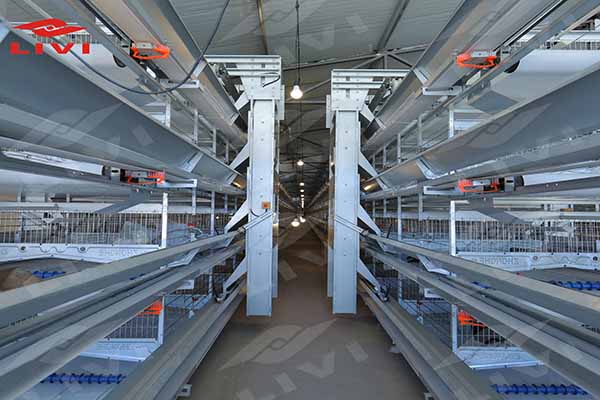
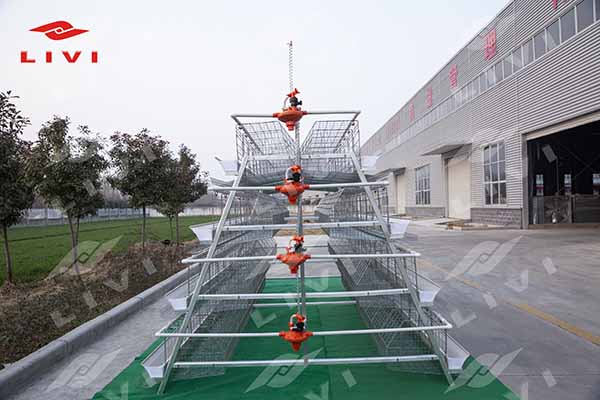
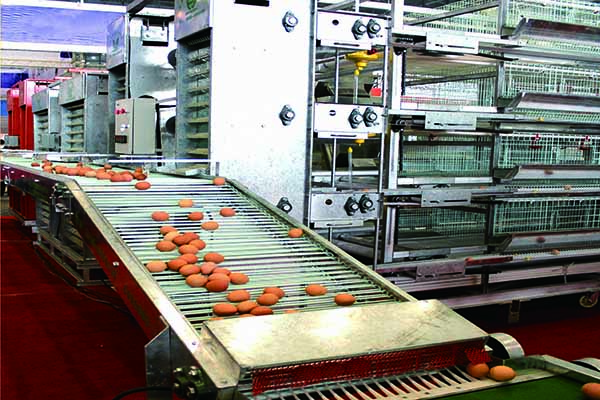
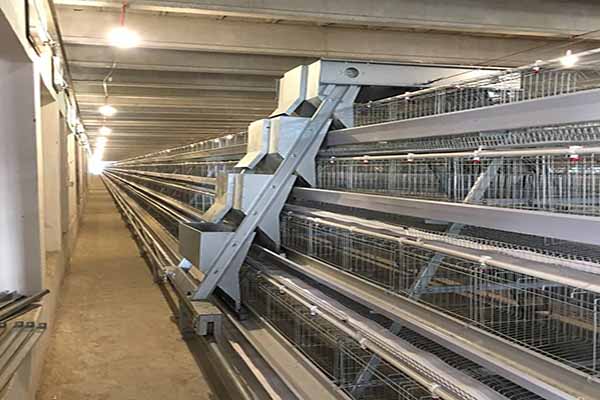
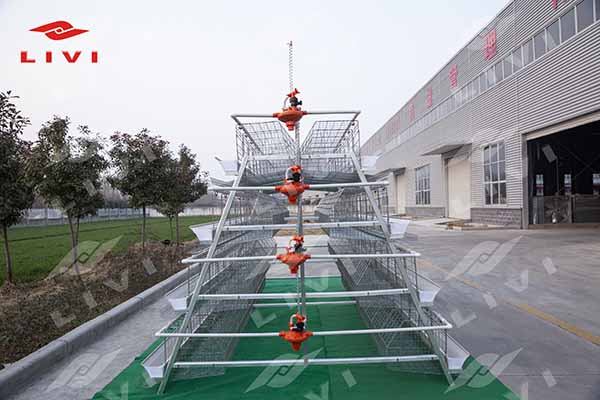
For a 30,000-layer project in Uganda, buy chicken cages as an operating system, not as a cage-only purchase. LIVI states that its A-Type Layer Cage is designed for 5,000–30,000 birds and uses Q235 steel, hot-dip galvanizing, and an A-Type layered structure with a stated 15–20 year service life. H1200 Layer Equipment is an H-Type option for layer farms above 10,000 birds, with a 3–8-tier range and Automatic Feeding, Automatic Drinking, Automatic Manure Removal, and Automatic Egg Collection options.
Screen Your 30,000-Layer Cage SuppliersShare your poultry house drawings or land dimensions, labor plan, water and power conditions, expansion target, and automation priorities for a scope-based equipment review.Request Supplier Review
Neither system is automatically right because the flock target is 30,000. The choice depends on poultry-house fit, labor availability, water and power conditions, automation needs, maintenance access, expansion intent, and the supplier’s written delivery and service scope. Do not approve a cage type, tier arrangement, final capacity, or total package until the supplier has reviewed project drawings and issued final technical documents.
Commercial poultry housing must support bird requirements, disease-risk management, clean water, feed quality, and waste management. Poultry management and housing requirements provide context for this system-first approach.
Which Decisions Must Be Made Before Comparing Commercial Layer Cages for Sale?
A 30,000-layer target is within the stated range of the A-Type Layer Cage, but it does not determine the final tier count, rows, cage quantity, or poultry-house design. Start with the project position: new build, existing-house conversion, or phased expansion. Each route creates different constraints for access, utilities, installation sequence, and future additions.
Confirm usable land or internal house dimensions, clear height, structural columns, service aisles, loading access, egg-handling space, and manure discharge route before reviewing a layout. Also validate egg sales channels, feed logistics, pullet sourcing, water availability, power reliability, biosecurity planning, and applicable local project requirements. Cage specifications cannot establish whether these operating conditions are ready.
Define the daily work model before selecting automation. Identify who will feed birds, inspect the Drinking System, remove manure, collect eggs, clean equipment, inspect moving parts, and respond to alarms. Automation reduces manual tasks only when controls, maintenance access, power support, procedures, and responsible staff are planned together.
An A-Type Layer Cage can be assessed where the project target is within its stated 5,000–30,000-bird range and the buyer needs a configuration matched to the house and labor model. Evaluate H1200 Layer Equipment where its 3–12-tier format and automated configuration can be supported by the house design and maintenance capability. More tiers or more equipment should not be selected merely because they appear more advanced.
A-Type Versus H1200: Compare the Operating Fit
| Decision area | A-Type Layer Cage reference | H1200 Layer Equipment reference | Buyer decision required |
|---|---|---|---|
| Stated application | 5,000–30,000 birds | Layer farms above 10,000 birds | Confirm flock plan, expansion sequence, and house fit. |
| Structure | Q235 steel, hot-dip galvanizing, A-Type layered structure | H-Type system with 3–12 tiers | Approve only the tier and row arrangement in final files. |
| Automation | Intelligent feeding and cleaning systems are referenced | Feeding, drinking, manure removal, and egg collection options | Define included, manual, optional, and excluded systems. |
| Service planning | Stated 15–20 year service life | Automated equipment requires access to moving parts and controls | Request maintenance access, parts scope, and instructions. |
The relevant comparison is not “simple versus advanced.” It is which system the site, workforce, utilities, and maintenance plan can support. A supplier should document the assumptions behind every proposed layout.
30,000-Layer Cage Procurement Matrix: Verified References and Required Supplier Evidence
| Evaluation Area | Verified Product or Supplier Reference | What the Buyer Must Confirm Before Approval |
|---|---|---|
| A-Type Layer Cage | 5,000–30,000 birds; Q235 steel; hot-dip galvanizing; stated 15–20 year service life | Final layout, tier count, cage quantity, house compatibility, and system scope. |
| H1200 Layer Equipment | Layer farms above 10,000 birds; 3–12 tiers; automation options | Automation boundary, maintenance access, controls, and electrical interfaces. |
| Cage mesh | H1200 reference: Q235; 2.3mm bottom, side, and divider mesh; 4.0mm cage-door wire; 2.5mm support wire; 25mm spacing; 7° slope | Whether these references apply to the proposed configuration. |
| Feeding System | Traveling feeder: 3.0mm zinc-aluminum-magnesium frame, 1.0mm hopper, 0.75kw motor | Feed source, route, cleaning access, controls, and parts list. |
| Drinking System | UPVC square pipe with 2.0mm wall thickness; stainless-steel cone-valve Nipple Drinker | Water quality, filtration, pressure, flushing, and maintenance. |
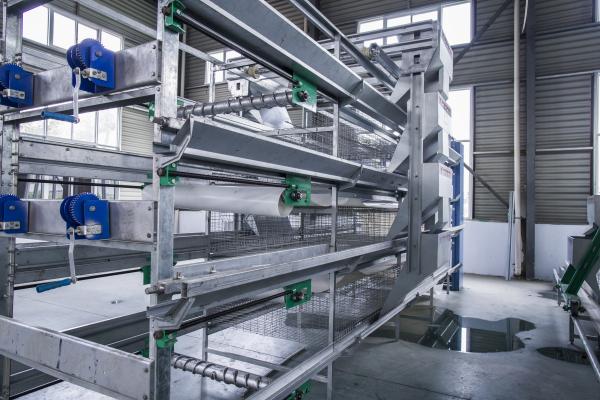
| Manure Removal System | H1200 daily manure-removal reference; 1.2mm virgin PP Manure Belt reference | Manure route, discharge point, cleaning, and belt access. |
| Egg collection and controls | H1200 egg-collection options; optional lighting, Climate Control System, and alarms | Final interfaces, electrical scope, commissioning documents, and operating responsibility. |
Material descriptions are useful only when linked to the supplied system and actual project drawing. Do not transfer H1200 component specifications to an A-Type quotation without written technical confirmation.
How Should Labor and Automation Be Defined?
Set an automation boundary by workflow, not bird count. Ask each supplier to identify whether the offer includes Automatic Feeding, Automatic Drinking, Automatic Manure Removal, Automatic Egg Collection, ventilation, lighting, Climate Control System functions, alarms, and a Control System. Then identify remaining work: inspection, cleaning, preventive maintenance, emergency response, egg handling after collection, and manure handling beyond the discharge point.

Define Your Layer Equipment ScopeSend your Uganda project location, planned flock size, house status, required systems, and delivery expectations to compare A-Type and H1200 configuration paths.Discuss Equipment Configuration
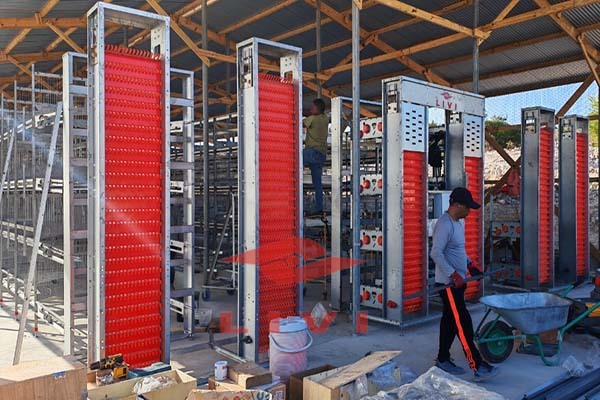
For H1200, the stated standard configuration includes H1200 equipment, a traveling feeder, high-specification Automatic Drinking, flat-belt manure removal, cross/angled manure removal, and an egg collector. Confirm that this configuration is included in the proposal; a product reference is not an order confirmation.
The drinking system needs a separate review. A supplied stainless-steel cone-valve Nipple Drinker reference is intended to support reliable sealing, while the UPVC square pipe reference is designed to reduce light exposure and deposits inside the line. The farm still needs a plan for water filtration, pressure, flushing, inspection, and maintenance.
How Do You Screen a Chicken Cage Supplier Before Shortlisting?
Supplier screening should test whether a company can document its proposed solution, not only describe it. Ask for a factory video or visit process, current production evidence, technical drawings, material details, packing samples, installation documents, and project-relevant references. Confirm who designs the layout, who answers installation questions, and who remains responsible after dispatch.
LIVI states that it was founded in 2013, has a production base of approximately 33,000 m², and operates welding, equipment-component, and complete-machine assembly systems. It also states an annual layer-cage capacity of 20,000+ sets. These references do not replace project-specific capacity, schedule, and technical review.
Request traceable quality records. LIVI lists raw-material inspection, pre-production inspection, post-production inspection, third-party inspection, pre-shipment testing, outbound inspection, and loading inspection. For any supplier, ask which records apply to the order and when they are provided.
LIVI also states that it has served more than 100 countries and completed 1,000+ projects. Request references relevant to the proposed system and scale rather than assuming general export reach proves an identical Uganda project.
Supplier Evaluation Checklist
| Evidence to request | Why it matters | Approval question |
|---|---|---|
| Layout and equipment list | Prevents unclear capacity or scope | Does the drawing identify cages, aisles, interfaces, and exclusions? |
| Material and component details | Enables like-for-like comparison | Are surface treatment, mesh, moving parts, and controls documented? |
| Quality-control records | Connects factory claims to the order | Which inspections apply before shipment and loading? |
| Installation plan | Clarifies post-arrival responsibility | Who provides drawings, remote guidance, or engineer support? |
| Spare-parts recommendation | Reduces maintenance uncertainty | Which wear items and ordering process are documented? |
| After-sales workflow | Establishes an escalation path | Who receives fault reports and what are the written response terms? |
LIVI lists remote guidance and on-site engineer support as installation-training methods. It also states an after-sales response time within 48 hours. Confirm how these apply to the selected package, installation stage, communication channel, and fault-reporting process before signing.
What Must a 30,000-Layer Buyer Verify About Delivery, Packing, and Site Readiness?
Separate equipment supply from freight, insurance, destination handling, inland delivery, unloading, civil works, utility connections, installation labor, and commissioning unless each responsibility is expressly included. A cage-only figure is not comparable with a proposal that includes automation, support, or delivery-related services.
LIVI states that it supports 40HQ and 20GP export container loading and can provide packing lists, installation materials, equipment instructions, and technical support. Request the project-specific packing and loading plan rather than inferring container quantities, shipment timing, or delivery obligations.
Before dispatch, verify vehicle access and unloading equipment, dry secure storage, labelled component identification, poultry-house readiness, water connections, electrical installation, and the sequence in which installers need parts released. Site design should also consider reducing risks from natural hazards and disease exposure, consistent with layer-hen establishment location and design considerations.
From Technical Review to Installation Acceptance
- Submit flock target, Uganda project location, land or poultry-house drawings, expansion plan, labor plan, water conditions, power conditions, and automation target.
- Request an A-Type or H-Type concept identifying included systems and site-verification items.
- Review final files before civil works or purchase approval, including rows, tiers, aisles, manure route, egg route, ventilation interfaces, and maintenance access.
- Agree on quotation scope, packing list, installation responsibility, commissioning, training, parts recommendations, and after-sales process.
- Prepare unloading access, protected storage, the poultry house, water and electrical connections, and installation personnel.
- Install and inspect cage structures before connecting the Feeding System, Drinking System, Manure Removal System, Egg Collection System, and Control System.
- Complete commissioning, operating instruction, fault-reporting orientation, and acceptance checks against the agreed scope.
Supplier-Screening Walkthrough for a 30,000-Layer Project
First confirm that the site and poultry house can support the intended layout. Next decide which daily tasks remain manual and which require automation. Only then should the buyer compare an A-Type Layer Cage with H1200 Layer Equipment.
Focus the comparison on evidence: material and surface-treatment details, system interfaces, quality-control records, packing documents, installation guidance, spare-parts boundaries, response process, and quotation exclusions. Do not select a supplier based solely on stated service life, automation description, factory capacity, or cage-only price. A comparable scope and final technical confirmation are necessary before purchase.
FAQ
Is an A-Type Layer Cage suitable for 30,000 layers in Uganda?
LIVI states that its A-Type Layer Cage is designed for 5,000–30,000 birds, so a 30,000-layer target falls within its stated application range. Suitability still depends on poultry-house dimensions, layout, labor workflow, manure handling, water and power conditions, automation needs, and final technical confirmation.
Should a 30,000-layer farm compare A-Type cages with H1200 Layer Equipment?
Yes, the two systems can be compared when the buyer is deciding between a simpler A-Type arrangement and a higher-automation H-Type approach. H1200 is stated for layer farms above 10,000 birds and offers a 3–12-tier range, but it should be selected only after confirming house fit, automation scope, maintenance access, and operational capability.
What automation should be included when buying chicken cages for 30,000 layers?
The automation boundary should be based on the farm’s labor model, house design, water and power conditions, and maintenance capacity rather than bird count alone. Systems to define separately include Automatic Feeding, Automatic Drinking, Automatic Manure Removal, Automatic Egg Collection, ventilation, lighting, Climate Control System functions, alarms, and controls.
Which layer cage details matter most for lifecycle and maintenance risk?
Buyers should compare structural material, surface treatment, mesh and support details, moving components, access for inspection and cleaning, belt alignment features, control interfaces, and available replacement parts. Documented LIVI references include hot-dip galvanized Q235 cage mesh and zinc-aluminum-magnesium components in selected H1200 equipment, but final compatibility must be verified for the chosen configuration.
What should be included in a comparable quotation for 30,000 layers?
A comparable quotation should identify the exact cage system, equipment scope, automation boundaries, quantity basis, technical documents, packing, delivery terms, installation support, commissioning, training, spare-parts recommendations, and exclusions. Do not compare a cage-only price with a proposal that includes automation or delivery-related services without separating every scope item.
How can a buyer verify a chicken cage supplier before placing an order?
Request factory and production evidence, project-relevant technical drawings, material specifications, quality-control records, product documentation, packing lists, installation support terms, after-sales process, and references appropriate to the requested system. LIVI states that it has three production systems and a multi-stage quality-inspection process, but buyers should verify the evidence supplied for their own order and final equipment scope.
TAGs: buying chicken cages for 30000 layers in Uganda, commercial layer cages in Uganda, A-Type Layer Cage, H1200 Layer Equipment, automatic layer farming equipment, poultry equipment supplier evaluation