


Commercial Layer Cage Supplier in Uganda: A Factory Due-Diligence Framework for a Credible Shortlist
Quick Answer: How Should You Screen a Commercial Layer Cage Supplier in Uganda?
Screen a commercial layer cage supplier in Uganda through evidence, not catalog claims. Verify the legal supplier identity, active manufacturing base, production and inspection process, equipment scope, design inputs, export-delivery boundary, installation support, training, spare-parts process, and after-sales procedure before requesting a final proposal.
Build a Credible Uganda Supplier Shortlist
Share your planned layer flock, poultry house drawing or land dimensions, water and power conditions, automation priorities, and expansion plan for a supplier-evidence review.
LIVI was founded in 2013 and states that it operates a 33,000 m² production base with welding, equipment-component, and complete-machine assembly systems. Its H1200 equipment is intended for layer farms above 10,000 birds and can be configured with 3–12 tiers. These facts support initial screening, but they do not establish the right Uganda layout, final capacity, utility requirements, delivery responsibility, or installation scope. Those decisions require a project-specific technical review.
The key distinction is between supplier credibility and equipment suitability. A supplier can be genuine but still propose an unsuitable system if it has not reviewed the poultry house, workflow, water, power, labor plan, and expansion objective.
What Evidence Should a Uganda Buyer Request Before Shortlisting a Layer Cage Supplier?
Start with one written project brief for every candidate supplier. Include layer production stage, planned flock size, existing poultry house dimensions or available land dimensions, house type, water and power conditions, labor availability, automation target, manure route, egg-handling workflow, climate-control needs, delivery destination, and expansion plan.
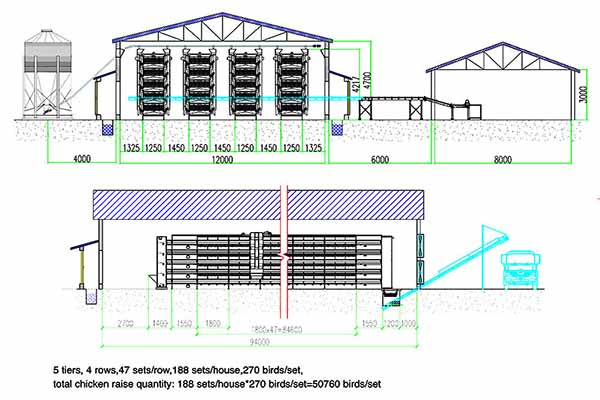
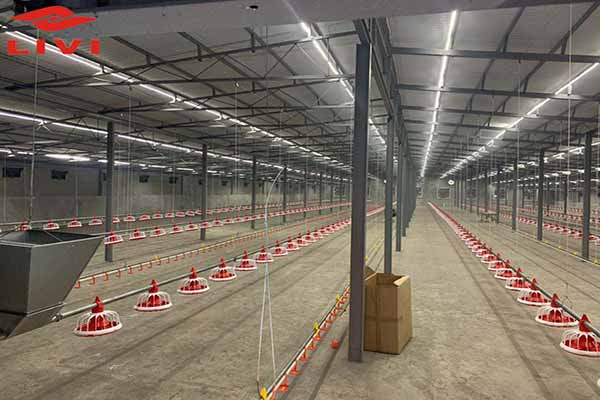
The house and management system must be reviewed together. FAO notes that commercial layers may be housed in wire cages in open or wire-sided sheds, while ventilation arrangements vary with production conditions and house design poultry housing and management in developing countries. A supplier should therefore not specify tiers, rows, ventilation interfaces, or final equipment quantities from bird count alone.
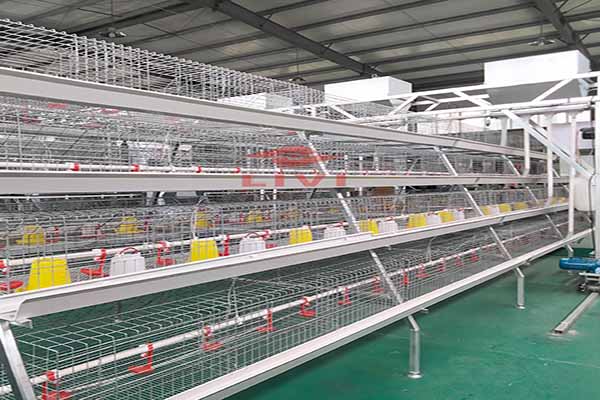
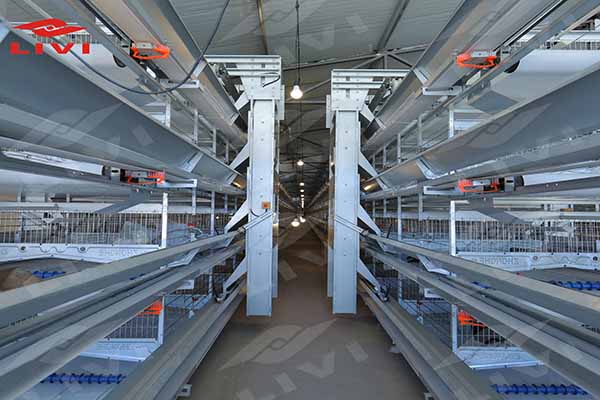
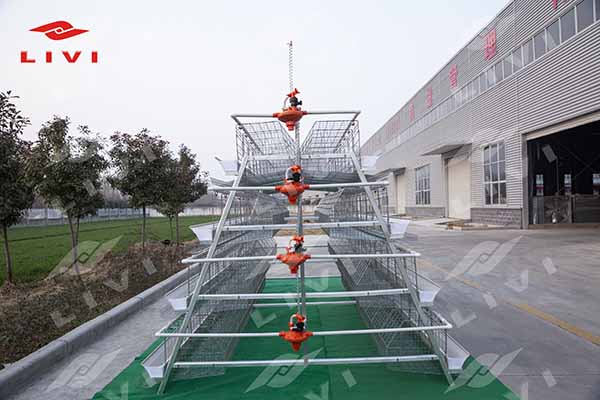
Use H1200 as a reference option when a farm above 10,000 layers is considering an Automated Cage System. It is listed for open, semi-open, and closed poultry houses and supports 3–12 tiers. Its final tier count, row layout, capacity, and automation package must be confirmed in an approved technical design.
Do not treat an A-Type or H-Type label as a complete selection answer. House geometry, maintenance access, labor workflow, automation interfaces, and expansion intent determine the operating fit. When reviewing commercial chicken cages, ask how feeding, drinking, manure handling, egg flow, ventilation, lighting, and service access work together.
Each candidate should identify what is included, optional, excluded, and pending engineering confirmation. This makes proposals comparable before commercial negotiations begin.
Commercial Layer Cage Supplier Evidence Matrix: What Is Confirmed and What Requires Verification?
| Due-Diligence Area | Confirmed LIVI Reference | Buyer Verification Before Shortlisting |
|---|---|---|
| Factory capability | LIVI states a 33,000 m² production base with welding, equipment-component, and complete-machine assembly systems. | Request current factory evidence, legal entity details, and proof linking fabrication, assembly, packing, and loading. |
| H1200 equipment scope | H1200 is for layers, has a stated recommended farm scale of >10000, supports 3–12 tiers, and is listed for open, semi-open, and closed houses. | Confirm house fit, tier count, rows, quantities, capacity, access, and expansion interfaces. |
| Core automation | The stated H1200 configuration includes a traveling feeder, high-specification Automatic Drinking, flat-belt manure removal, transverse/inclined manure removal, and an egg collector. | Request an itemized inclusion list, quantities, controls, options, exclusions, and utility interfaces. |
| Quality controls | LIVI states inspection from raw-material checks through pre-production, post-production, third-party inspection, pre-shipment testing, outbound inspection, and loading inspection. | Ask for the project inspection plan, packing records, quantity checks, and damage-reporting procedure. |
| Delivery and service | LIVI states it can provide packing lists, installation materials, equipment instructions, remote guidance, and engineer-support options. | Define shipment, unloading, site storage, installation, training, spare parts, contacts, and fault reporting. |
| Quotation boundaries | No Uganda project price, delivery cost, tax, civil-work scope, final configuration, or total timeline is supplied. | Require clear inclusions, options, exclusions, assumptions, and buyer-provided works. |
A reliable layer cage supplier should be able to complete this evidence matrix. If a candidate cannot explain its responsibility boundary, it should not proceed to final commercial comparison.

How Should You Check Equipment Quality and Automation Scope?
For H1200, verify both the cage structure and supporting systems. Supplied component information identifies hot-dip-galvanized cage mesh, zinc-aluminum-magnesium structural parts, Automatic Feeding, Automatic Drinking, Automatic Manure Removal, and Automatic Egg Collection equipment. These are inspection points, not a replacement for the approved project file.
The supplied cage-mesh information specifies Q235 mesh, a 7° floor slope, 25mm floor-wire spacing, and stated wire diameters for different mesh parts. It also states hot-dip galvanizing after welding. Ask how these specifications will appear in the equipment list and be checked before dispatch.
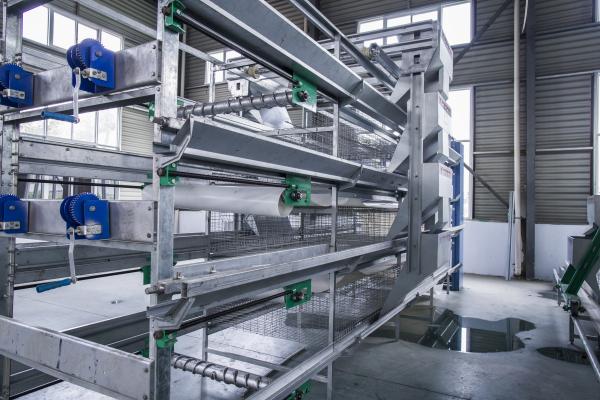
The stated manure arrangement includes flat-belt manure removal plus transverse/inclined manure removal, with a listed frequency of once daily. Confirm the route from each manure belt to the discharge point, the scope of downstream handling, and related civil works. Disclosed references include a 1.2mm PP manure belt and a 3mm PVC transverse/inclined belt; the final arrangement remains project-specific.
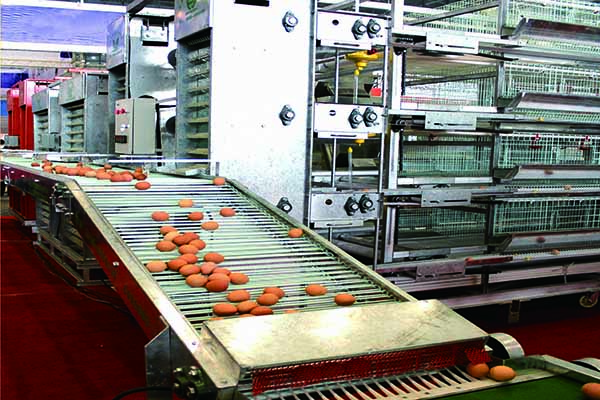
H1200 can be configured with an egg collector or an egg collector plus central egg collection. Supplied egg-collection components include polypropylene knitted egg belts, stainless-steel egg guides, nylon egg claws, and an optional central collection line with an aluminum-alloy frame and stainless-steel conveying chain. Confirm where eggs leave the house and whether central collection is included.
Compare automation by function rather than labels:
- Automatic Feeding, including the traveling feeder and feed-conveying boundary;
- Automatic Drinking, including filters, regulators, pipework, nipple drinkers, and dosing equipment where required;
- Automatic Manure Removal, including cleaning, tensioning, tracking, and discharge interfaces;
- Automatic Egg Collection, including transfer and central handling where required; and
- lighting, alarms, Ventilation System, Climate Control System, and Control System interfaces.
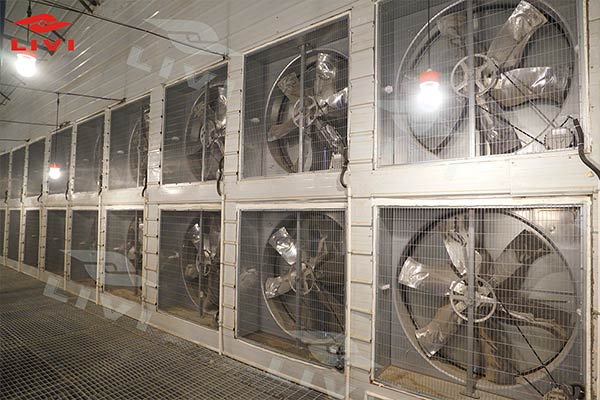
FAO explains that welfare can be assessed through measurable conditions and that welfare issues can have practical production consequences commercial poultry welfare measurement. In procurement, this means the supplier should address management access, drinking performance, manure condition, environmental control, and operating procedures instead of claiming that one housing system is universally best.
How Should You Assess Factory, Design, and Service Capability?
A factory review should trace the workflow from raw material to loaded equipment. Request evidence of cage fabrication, structural-part forming, automation-component assembly, inspection points, packing, and container loading. LIVI states that it has three manufacturing systems and a multi-stage quality process. Ask for current evidence relevant to the intended order, especially for a customized house layout.
Verify Your H1200 Equipment Scope
Send your house dimensions, management workflow, and required feeding, drinking, manure, egg collection, and climate-control functions to clarify the technical scope before comparison.
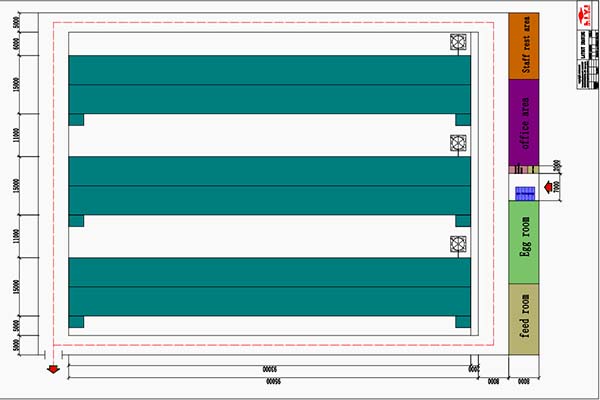
Test design capability with the project brief. LIVI states that it can provide equipment-layout and system-configuration suggestions based on poultry house dimensions, bird quantity, climate conditions, and budget. Require the proposal to show assumed house dimensions, H1200 tier count, row arrangement, equipment quantities, feeding path, water-line arrangement, manure route, egg route, and climate-control interfaces.
An automatic layer cage system is not fully defined until these interfaces are documented. If site data changes, the supplier should revise the concept rather than force a standard package.
For after-sales screening, confirm the responsible contact, communication channel, parts-request process, fault-reporting method, training plan, engineer-support conditions, and service boundaries. LIVI states that it provides remote guidance, can arrange experienced engineers on site for applicable projects, and has an after-sales response time within 48 hours. Confirm the contract-specific process for your project.
What Must Be Confirmed for Export Delivery and Uganda Site Readiness?
A commercial offer must identify responsibility for packing, export documents, container planning, shipment booking, destination clearance, inland transport, unloading, storage, and damage reporting. Do not infer these obligations from an equipment quotation.
LIVI states that it supports 40HQ/20GP export container loading and domestic full-truck transport planning. It can provide classified packing, packing lists, installation materials, equipment instructions, and technical support. The shipping route, Incoterm, freight cost, insurance, customs procedure, destination delivery, and unloading requirements for Uganda must be confirmed in writing.
LIVI lists standard-equipment production at 15–25 days and whole-house custom production at 30–45 days. These are production references only; they do not establish shipment time, customs clearance, civil-work completion, installation duration, or project completion.
Before dispatch, confirm:
- Poultry-house construction status and approved technical drawing.
- Access route and unloading area for delivered equipment.
- Dry, secure storage conditions and receiving procedures.
- Structural, water, and electrical readiness within the agreed scope.
- Local installation personnel, safety arrangements, and escalation contacts.
- Procedures for checking packing lists and reporting shortages or transit damage.
Supplier-Screening Scenario for a Uganda Layer Farm
A Uganda buyer plans a commercial layer farm and is considering H1200 equipment but has not finalized house dimensions, power arrangements, labor workflow, or an expansion phase. The correct next step is a supplier-evidence review, not a final order.
Retain a candidate only after receiving current factory evidence, a scope-based H1200 concept where relevant, an itemized automation list, a quality and packing plan, and written clarification of delivery, installation, training, spare parts, and after-sales boundaries. If site data shows that the initial H type layer cage layout or automation package does not fit the house and workflow, the supplier should revise the design.
Procurement Checklist Before You Approve Production
- Confirm legal supplier and factory information.
- Approve the technical layout and itemized equipment schedule.
- Mark every item as included, optional, excluded, or buyer-provided.
- Confirm materials, inspection points, and packing-list requirements.
- Define shipping, unloading, storage, installation, and acceptance responsibilities.
- Confirm training, service contacts, spare-parts procedure, and fault reporting.
FAQ
What documents should a commercial layer cage supplier provide before I add it to a Uganda shortlist?
Request legal company and factory information, current factory evidence, a product and automation scope, quality-control procedures, an itemized quotation basis, export packing and document scope, installation-support details, training scope, spare-parts process, and after-sales contact procedure. For every project-specific claim, ask whether it is confirmed, optional, excluded, or pending final engineering review.
Is the H1200 system suitable for every commercial layer farm in Uganda?
No. H1200 is a layer system with a stated recommended farm scale above 10,000 birds, but suitability depends on the poultry house, available space, water and power conditions, labor workflow, climate-control plan, automation requirements, and expansion objective. Its final tier count, layout, capacity, and supporting-system scope must be verified in the approved technical design.
How can I verify that a layer cage supplier actually manufactures its own equipment?
Ask for evidence of the production base, a live or recorded factory walkthrough, production-line information, component-manufacturing evidence, inspection process, packing area, and loading process. LIVI states that it has a 33,000 m² production base and welding, equipment-component, and complete-machine assembly systems. Buyers should still verify current evidence during supplier screening.
What automation should be included when comparing commercial layer cage suppliers?
Compare functions rather than labels: Automatic Feeding, Automatic Drinking, Automatic Manure Removal, Automatic Egg Collection, lighting, alarms, ventilation, and Climate Control System interfaces. For H1200, the stated configuration includes a traveling feeder, high-specification Automatic Drinking, flat-belt manure removal, transverse/inclined manure removal, and an egg collector. Confirm quantities, control scope, options, and exclusions.
Can I compare suppliers by cage price alone?
No. A cage-only figure does not establish the scope of automation, equipment quantities, utility interfaces, packing, delivery, installation, training, spare parts, civil works, or local handling. Require suppliers to price the same approved project brief and clearly mark all inclusions, options, exclusions, and assumptions before comparing commercial proposals.
TAGs: commercial layer cage supplier, layer cage supplier in Uganda, H1200 layer equipment, automatic layer cage system, poultry equipment supplier evaluation, layer farm automation