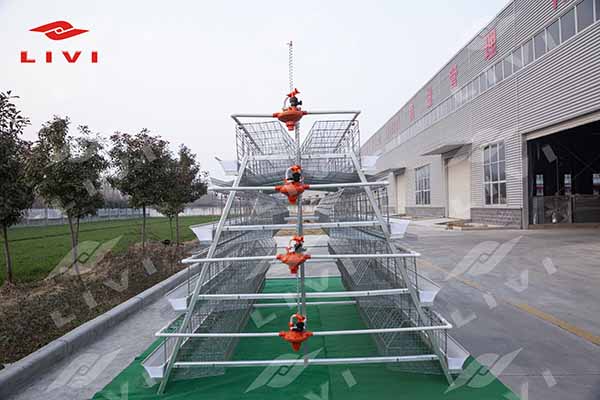




Choosing between a 3-tier and a 4-tier layer cage layout is not a simple bird-count calculation. When evaluating an A type layer battery cage for a 20,000-layer project in Nigeria, the practical question is which tier arrangement makes the planned poultry house more buildable, ventilated, and manageable. The verified LIVI A Type Layer Battery Cage supports a 5,000–30,000-layer scale, so a 20,000-layer project sits within the stated product range. However, no supplied data prescribe a standard 3-tier or 4-tier cage capacity, height, row count, or automation interface. This guide explains the tier decision as part of a supplier-specific engineering review instead of a generic product rule.
Quick Answer: How Should a 20,000-Layer Farm in Nigeria Choose Between 3-Tier and 4-Tier Layer Cages?
For a 20,000-layer project in Nigeria, the choice between 3-tier and 4-tier layer cages is not fixed by bird count. It should be based on poultry house clear height and width, planned row length, ventilation capacity, structural column positions, automation scope, manure handling and daily labor workflow.
Planning a 20,000-Layer Cage Project in Nigeria?
Share your poultry house dimensions, climate and automation requirements, and compare the 3-tier and 4-tier layout options before selecting equipment.
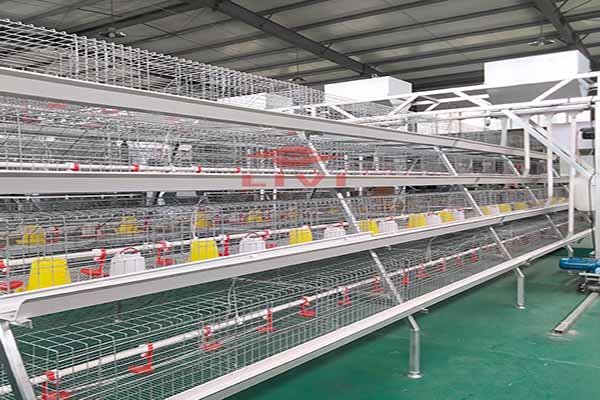
LIVI's verified A-Type Layer Battery Cage covers 5,000–30,000 layers, so 20,000 layers is within the application range. The supplied product summary confirms Q235 steel, hot-dip galvanizing, an A-type layered structure, a stated 15–20 year service life, and integrated smart feeding and cleaning. It does not publish tier-specific dimensions or capacities for a 3-tier versus a 4-tier system. Treat these tier counts as design alternatives that should be confirmed with house drawings, utility conditions and an approved equipment layout before final supplier comparison.
What Actually Changes When You Move From 3 Tiers to 4 Tiers?
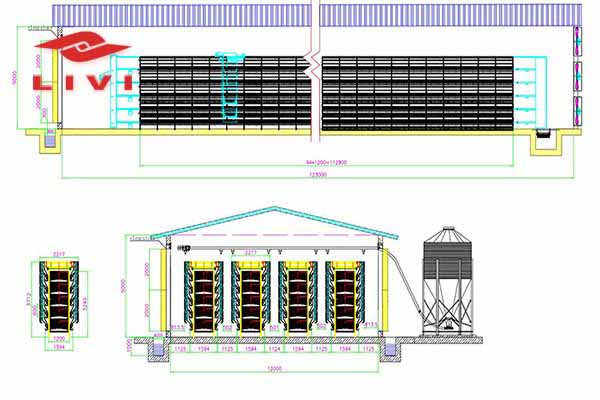
The first comparison should ask whether the existing or planned poultry house has sufficient clear height, structural width and column placement for the selected tier count. If not, the tier choice may force structural changes, reduce usable cage row length, or increase building modification cost. In a commercial layer battery cage system, each additional tier changes more than vertical height; it changes the interface among feeding, drinking, egg collection, ventilation and manure removal. The same 20,000-layer flock can be arranged in different ways: a larger tier count may allow a smaller cage row footprint, while fewer tiers may require more rows or a longer building envelope. That footprint trade-off can only be calculated after the house dimensions are known.
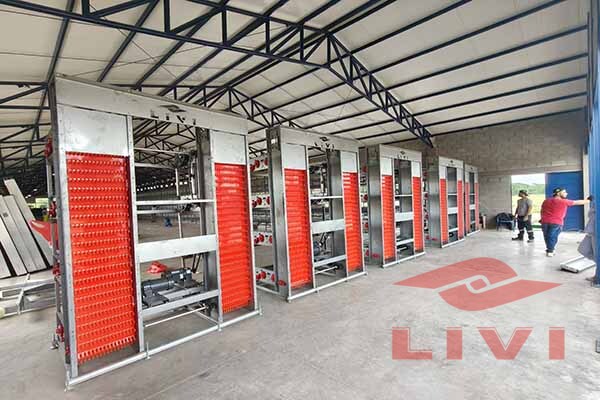
For Nigerian conditions, taller stacked cages can increase local heat, humidity and ammonia control requirements in enclosed or semi-enclosed houses. In global layer operations, housing type can influence laying performance and disease exposure, so the final 3-tier or 4-tier layout should be reviewed as part of the whole poultry house environment rather than as an isolated cage decision. The supplied LIVI product data does not provide tier-specific ventilation or temperature performance values, so climate adaptation must remain a site-specific design input.
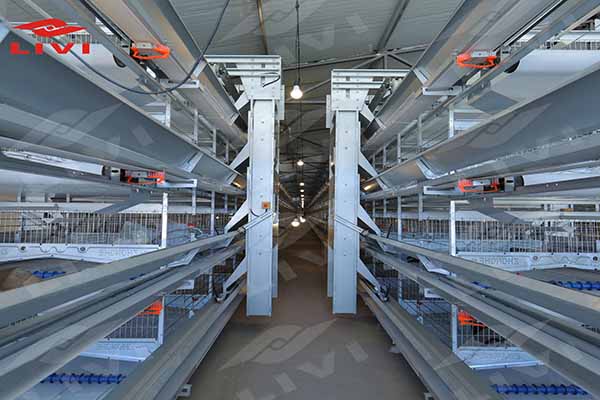
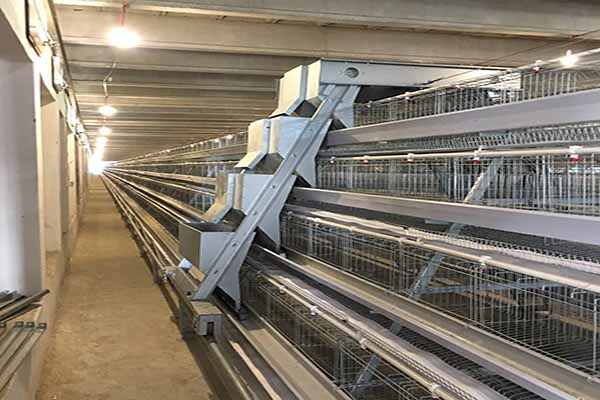
The confirmed LIVI A-Type summary describes an A-type layered structure with intelligent feeding and cleaning integration. It does not define how the feeding line, drinking line, egg collection system, and manure handling arrangement differ between a 3-tier and a 4-tier installation. Therefore, a buyer should ask the supplier to fix the same automation boundary for both tier options before comparing quoted scopes.
As commercial layer house designs move toward medium- and large-scale operations, the shift from natural airflow to mechanized and automated ventilation becomes more important. This matters for a taller 4-tier option because the ventilation rate, inlet placement and air distribution must be checked against the increased vertical density and local workload.
Inputs to Compare 3-Tier vs 4-Tier A-Type Layer Cages
| Decision Input | What It Affects | Confirmed or To Be Confirmed |
|---|---|---|
| Poultry house clear length, width, eave height and column positions | Tier feasibility, row count, walkway access and service clearance | To be confirmed from site drawings |
| 20,000-layer target | Product range fit and overall project scope | Confirmed from task input; within LIVI A-Type 5,000–30,000-layer range |
| 3-tier vs 4-tier cage option | Row length, building footprint, equipment count, installation access and ventilation load | To be confirmed by engineering layout |
| Q235 steel and hot-dip galvanizing | Material durability and corrosion resistance in humid Nigerian conditions | Confirmed from LIVI A-Type product data |
| 15–20 year service life | Lifecycle planning and replacement assumptions | Confirmed as supplied product data; not a site-specific performance guarantee |
| Intelligent feeding and cleaning system | Automation interface and daily labor workflow | Confirmed in product summary; 3-tier/4-tier feeding, drinking and manure handling interfaces to be confirmed |
| Ventilation and climate adaptation | Bird comfort and heat/humidity management | Depends on house type and local climate; no published performance values provided |
When comparing quotations using this equipment guide, keep each of these inputs in the same project brief. Without identical house dimensions and automation scope, a 3-tier proposal and a 4-tier proposal cannot be compared on a reliable basis.
Planning Scenario: 20,000 Layers in Nigeria, 3-Tier vs 4-Tier
Example A: an existing Nigerian layer house with limited ceiling height may be more compatible with a 3-tier layout. The same 20,000 birds may then require more row length or a wider building envelope, but a lower tier height may simplify inspection, feeding adjustment, egg collection access and manure handling. Whether the available house can accept that arrangement depends on the measured clear height, column positions and ventilation capacity.
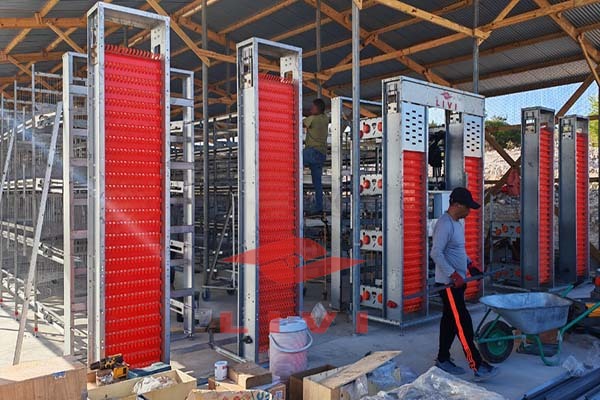
Example B: a new closed house with higher eaves may allow a 4-tier layout and a smaller cage row footprint. That arrangement, however, requires verification of structural clearance, ventilation capacity, feeding height and egg collection access before the row length is fixed. A taller cage system may also require stronger air movement and more attention to heat removal in a warm climate.
This planning example is not a delivered project record. It shows the kind of trade-off a Nigerian buyer should evaluate before demanding a final cage quantity. The actual cage arrangement must be confirmed from the customer's house drawings, site measurements and equipment engineering review.
Why Tier Choice Affects Delivery, Unloading and Site Preparation
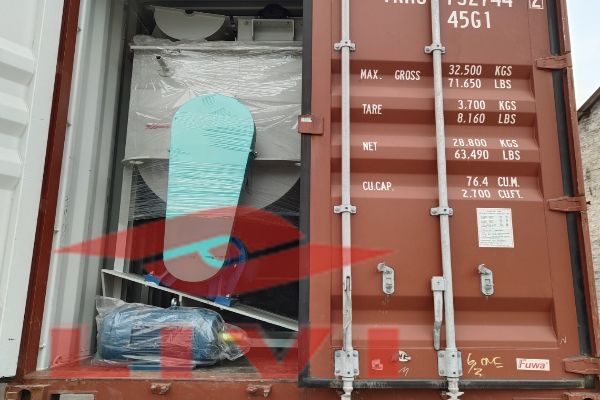
The selected tier configuration affects packing volume, container utilization, unloading sequence and on-site material sorting. A buyer should confirm the packing list before cargo dispatch so the installed tiers, stand height, feed equipment and manure handling parts match the approved layout.
Need a Site-Specific Tier Comparison for 20,000 Layers?
Submit your house floor plan, power and water conditions, and expansion target so LIVI can evaluate both tier options against the same project brief.
LIVI supports 40HQ/20GP export container loading and domestic whole-vehicle transport, with packaging intended for long-distance transport and field unloading. Actual shipping method, cost and time for Nigeria must be separately confirmed with the destination port or site location. The supplied product data does not include Nigeria-specific freight figures, customs duties or inland transport costs.
Before the equipment arrives, the buyer should prepare the unloading area, local transport route and any lifting or manual handling conditions. The earlier the tier count and final layout are locked, the easier it is to plan container unloading and avoid holding material on site while the house is still being modified.
How LIVI Can Support a Nigerian 20,000-Layer Cage Selection
A poultry cage system should therefore be specified as an integrated part of the house, not as a stand-alone cage purchase. LIVI can support the project by combining the A-Type cage platform with the systems that must work around it: automatic feeding, drinking, manure removal, egg collection, ventilation and environmental control. The company has 13 years of poultry equipment industry experience and has served customers in more than 100 countries across Africa, Central Asia, Southeast Asia, Latin America, the Middle East and Europe. It has also visited more than 1,000 large-scale poultry farms, which is useful when adapting a layout to the house type, climate and labor conditions of a specific Nigerian site.
For a 20,000-layer project, the company can review the customer's land or house drawings, water and power conditions, target automation level and expansion intent. It can compare a 3-tier and a 4-tier A-Type arrangement using the same project brief, then define the cage layout, row length, feeding height, egg collection access, manure handling, delivery boundary and installation support. Custom projects require customer drawings and technical confirmation because house dimensions and utility conditions determine the final equipment configuration.
Design support may be delivered as a standard scheme in 5–7 working days or a full house-specific scheme in 10–15 working days. Production lead time may be 15–25 days for standard equipment or 30–45 days for full house customization. After-sales response is stated as within 48 hours, with remote guidance, installation drawings and video support. Large projects can also be evaluated for on-site engineer assistance based on project requirements.
FAQ
Which is better for 20,000 layers in Nigeria: a 3-tier or a 4-tier layer cage?
There is no single better tier count without the poultry house dimensions and management plan. A 3-tier option should be evaluated when clear height, ventilation capacity or labor access are limited. A 4-tier option may reduce the cage row footprint if the building height and ventilation can support it. The verified LIVI A-Type Layer Battery Cage accepts 5,000–30,000 layers, but its published data does not specify tier quantity or per-tier capacity, so final comparison must come from a site-specific layout.
Can the LIVI A-Type Layer Battery Cage be used for 20,000 layers in Nigeria?
Yes, 20,000 layers is within the stated 5,000–30,000-bird range of the LIVI A-Type Layer Battery Cage. The confirmed product details include Q235 steel, hot-dip galvanizing, an A-type layered structure and a stated 15–20 year service life. A firm configuration still requires house dimensions, tier count, row arrangement, automation scope, utility conditions and delivery destination.
Does a 4-tier cage need a higher poultry house than a 3-tier cage?
A 4-tier system normally needs more vertical clearance, but the exact eave height and roof design must be confirmed by the equipment engineer after the selected layout is fixed. The required clear height must be calculated from the actual cage frame, stand, feed hopper, lighting, ventilation and service clearance, none of which are published in the supplied product data. Do not use a single tier-number rule without checking the overall equipment height and installation access.
How does tier count affect feeding, egg collection and manure handling for a 20,000-layer project?
Fewer tiers can simplify inspection, feeding adjustment, egg collection access and manure handling. More tiers can increase vertical density and require stronger automation interfaces and ventilation design. The LIVI A-Type summary mentions integrated smart feeding and cleaning systems, but the published product data does not define 3-tier or 4-tier performance differences. Compare both options using the same feeding, drinking, egg collection and manure removal boundary before final supplier selection.
What information should I submit to compare 3-tier and 4-tier A-type cages for a Nigerian 20,000-layer farm?
Provide the poultry house internal dimensions or land plot, eave height, house type, water and power conditions, and target automation level. State whether the project is new construction or an existing house upgrade, and note any future expansion target. Send the same project brief to LIVI so the tier count, row arrangement, cage quantity and delivery boundaries can be evaluated on a comparable basis.
TAGs: 3 tier layer cage Nigeria, 4 tier layer cage Nigeria, 20,000 layers Nigeria, A type layer battery cage, multi tier layer cages, layer cage tier selection, poultry house layout Nigeria