


Quick Answer: How Should a 30,000-Layer Cage Calculation Start?
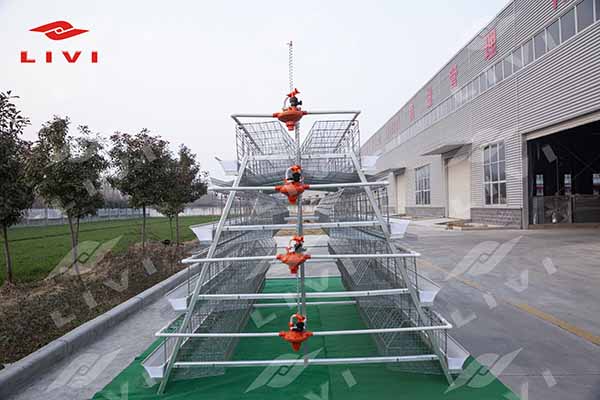
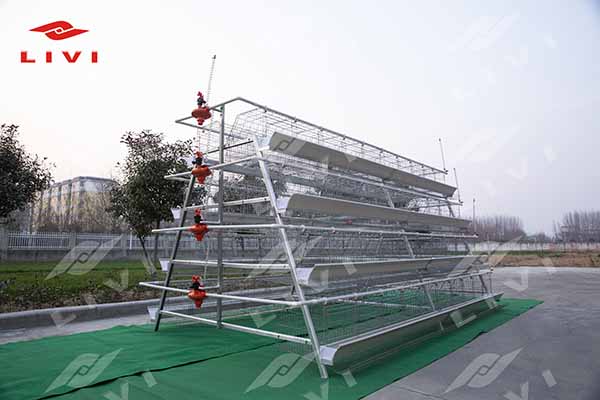
A 30,000-layer cage calculation in Nigeria should start with the verified LIVI A Type Layer Battery Cage parameters. The product supports 5,000–30,000 layers, uses Q235 steel with hot-dip galvanizing, has an A-type layered structure, and carries a stated 15–20 year service life. The 30,000-bird target is within the stated capacity range, but cage quantity, tier and row arrangement, automation boundary, utility load, and delivery/installation scope remain site-specific. Buyers should ask suppliers to price the same documented project brief so preliminary calculations can be compared on a consistent basis.
Plan a 30,000-Layer Cage Calculation for Your Nigerian SiteShare your poultry-house dimensions, power and water conditions, automation requirements, and delivery destination so LIVI can prepare a site-specific configuration review.Request Calculation Review
Why a 30,000-Layer Cage Calculation Needs More Than Bird Count in Nigeria
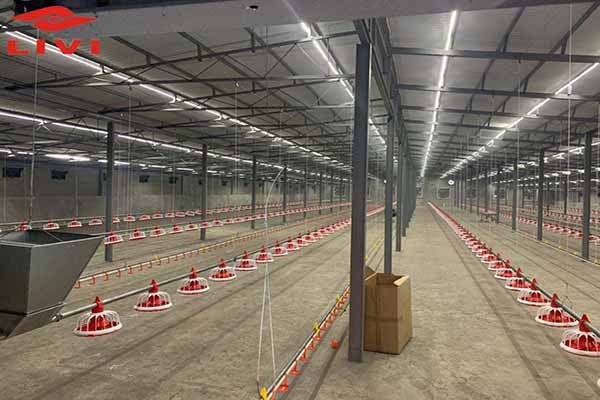
The 30,000-layer target falls inside the verified 5,000–30,000-bird range of the A-Type Layer Battery Cage, but the usable configuration depends on the poultry house rather than bird count alone. A calculation that ignores house length, width, clear height, columns, doors, aisle widths, and service clearances can produce an equipment list that does not fit or cannot be operated safely.
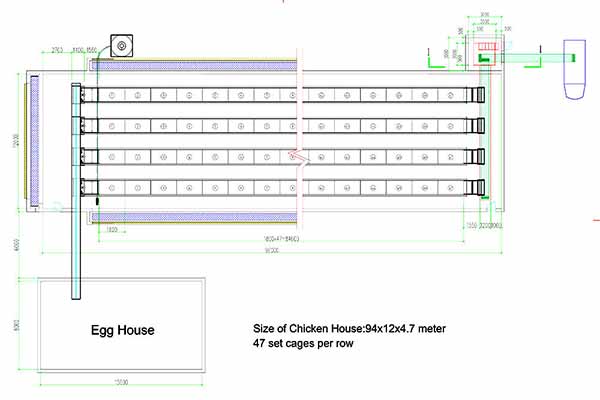
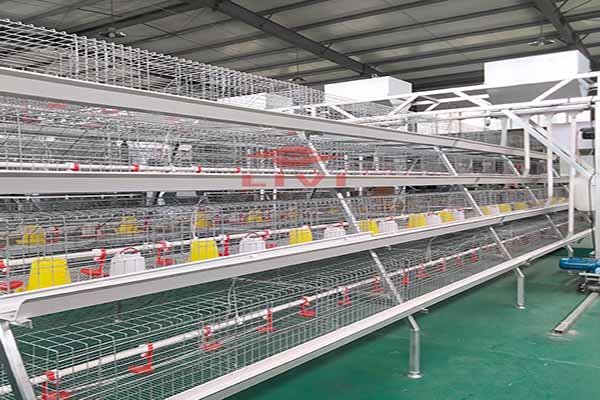
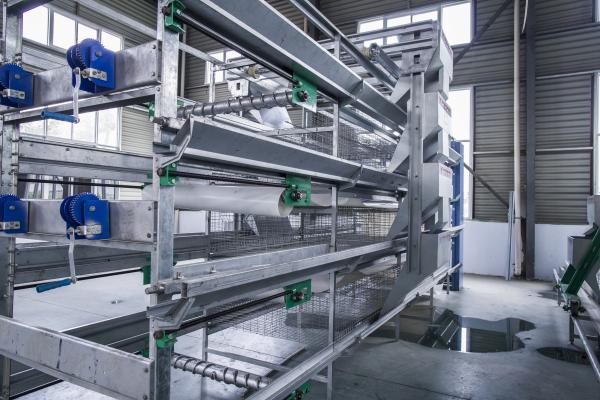
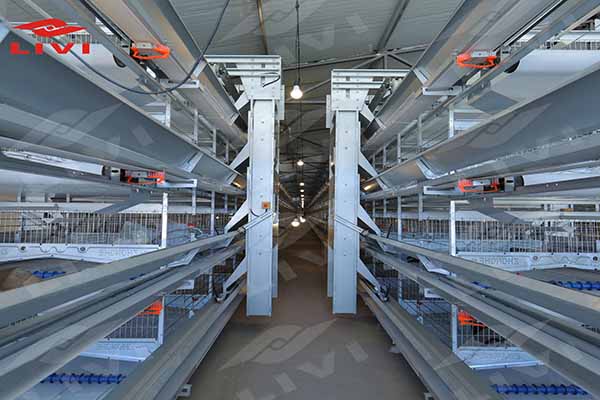
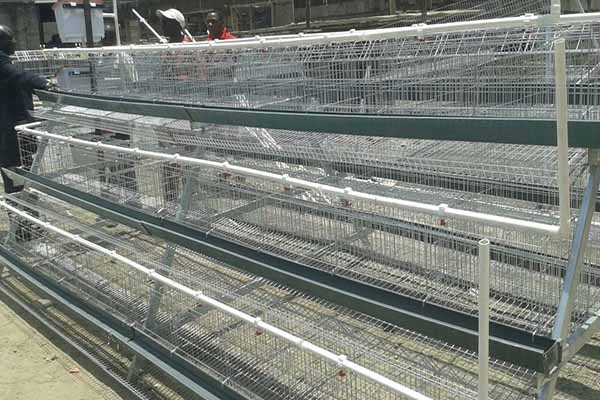
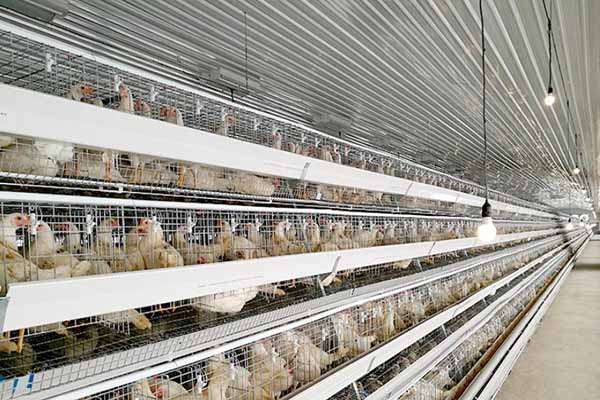
A meaningful layer cage calculation should cover row count, tier count, aisle and service clearances, feeding and drinking lines, egg collection access, and the manure removal route. Feed hopper or silo delivery routes, drinking line distribution, egg collection paths, and belt or scraper manure discharge all occupy operational space. If a column or undersized aisle blocks one of these routes, practical capacity may need to be reduced even when the A-Type Layer Battery Cage bird range is sufficient.
For a Nigerian project, buyers should confirm available power, voltage and phase, water pressure, feed logistics, and access for delivery and unloading before comparing supplier proposals. In medium- and large-scale commercial operations, mechanized and automated ventilation with fans becomes part of the house design, so cage layout cannot be separated from climate control decisions. FAO-indexed layer research also indicates that housing type can be associated with differences in laying performance and disease occurrence, so row and tier arrangement should be reviewed alongside ventilation, manure removal, and biosecurity access.
Verified A-Type Layer Battery Cage Inputs for the 30,000-Layer Calculation
Before adding site variables, use the verified product facts as the calculation baseline for this layer battery cage system. The table separates confirmed LIVI product information from items that must still be defined by the Nigerian project scope.
| Calculation input | Verified LIVI product information |
|---|---|
| Bird capacity | 5,000–30,000 layers; final cage count requires a house-specific layout |
| Material | Q235 steel |
| Surface treatment | Hot-dip galvanizing |
| Stated service life | 15–20 years |
| Cage structure | A-type layered structure |
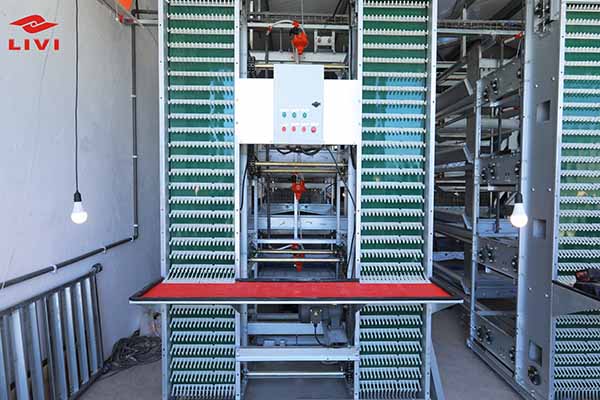
| Included system references | Intelligent feeding and cleaning system |
| Final configuration | Confirm from house dimensions, tier/row arrangement, automation boundary, power, water, and delivery inputs |
The product range confirms suitability for a planned 30,000-layer farm, but it does not provide a universal number of cages. Each row and tier combination produces a different total cage count, so the next step is a house-specific layout review.
Illustrative Planning Scenario: 30,000-Layer Cage Calculation Inputs
No authorized Nigeria customer case is supplied in this task, so this section is a planning scenario rather than a completed project reference. A buyer with an existing poultry house should prepare a marked plan showing columns, clear height, door access, water and feed entry points, egg collection aisle, and manure discharge route. Usable row and tier count changes the final layer cage capacity.
For a new building, house dimensions are design inputs, not a fixed afterthought. Buyers should document existing roof or wall conditions, clear working height, floor slope, electrical entry, water entry, and preferred direction of egg and manure flow. Multiple houses or phased replacement-flock planning may affect the total cage calculation and should be clarified before final equipment ordering. A 30,000-layer configuration can be split across several A-type battery cage rows, but no universal cage count can be issued without the house plan.
Nigeria Delivery and Site Readiness Inputs
A complete Nigerian layer cage calculation should also define the delivery destination, access road, unloading area, container handling, and installation workspace. LIVI can support export packing and container loading, but the supplied facts do not establish Nigeria freight cost or transit time. Remote guidance and on-site engineer support are available, but the final installation method must be confirmed with site readiness and the order scope.
Need a Feasibility-Focused Cage and Equipment Scope?Send your target flock, existing or new house plan, feed and manure flow, and preferred automation boundary for a structured equipment quotation scope.Send Project Details
Separate equipment, delivery, installation support, and spare parts so the calculation does not hide logistics costs inside a single cage price. The supplier proposal should state which party handles cargo after arrival and which installation method is included. Additional pre-order checks include whether the site can receive a 40HQ container and whether local handling equipment is available; these affect the unloading plan and installation crew size.
From Calculation to Engineering Review
- Submit target capacity, poultry-house dimensions, power/water conditions, feed and egg routes, manure flow, automation requirements, and delivery destination.
- Request a preliminary layer cage calculation and layout review with missing engineering variables clearly flagged.
- Confirm whether the A-Type Layer Battery Cage configuration remains within the verified 5,000–30,000-bird range.
- Finalize cage quantity, tier count, row arrangement, and supporting system interfaces after the technical review.
- Separate the quotation scope into equipment, delivery, installation support, and spare parts.
- After order confirmation, complete quality inspection and export packing before dispatch.
- Coordinate Nigeria site preparation, unloading, and installation using remote guidance or an on-site engineer.
- Test feeding and cleaning systems, train operators, and define maintenance responsibilities before flock placement.
How LIVI Can Support a Nigerian Poultry Cage Project
LIVI can customize the cage layout based on flock scale, house dimensions, climate conditions, and investment budget, and can review the A-Type Layer Battery Cage configuration and automation interface. The equipment spans the poultry cage system, feeding, drinking, manure removal, egg collection, ventilation, and climate control. The buyer should define which functions belong in the first-phase automation scope and which can be added later. Final tier and row arrangement requires buyer-provided poultry-house data.
- Served 100+ countries, 1,000+ completed projects, largest project scale stated as 200,000 birds.
- 50-mu production base, approximately 33,000 m²; annual capacity of 20,000+ layer cage sets.
- Welding, equipment component, and final assembly production systems; layer, broiler, and chick cage systems.
- Automatic Feeding, Drinking, Manure Removal, Egg Collection, Ventilation, and Climate Control.
- Stated 48-hour after-sales response time; online remote guidance or senior engineer on-site support.
- Spare parts and maintenance support based on the confirmed project scope.
FAQ
How is the layer cage calculation for 30,000 layers in Nigeria approached before buying?
Start with the buyer's poultry-house dimensions, row and tier preference, power and water conditions, feed and egg routes, and intended automation level. The LIVI A-Type Layer Battery Cage supports 5,000–30,000 layers, so 30,000 layers is within the stated capacity range, but final cage quantity requires a site-specific layout. Keep equipment, delivery, installation support, and spare parts separate in the quotation scope. Do not finalize the calculation from bird count alone.
What verified specifications should be used in the 30,000-layer cage calculation?
Use Q235 steel, hot-dip galvanizing, A-type layered structure, and a stated 15–20 year service life from the supplied product information. The product references intelligent feeding and cleaning systems, but the final system boundary must be confirmed with the farm layout and automation scope. Cage quantity, tier count, row arrangement, utility load, and delivery details remain site-specific.
What site information is needed before calculating the number of layer cages for Nigeria?
Confirm house length, width, clear height, column positions, door access, service clearances, and the manure discharge route. Also confirm available voltage, phase, water supply, feed logistics, and which automation systems will be included with the cages. Without these inputs, a supplier can only provide a preliminary capacity estimate, not an installation-ready cage calculation for a Nigerian site.
Does the layer cage calculation include delivery, installation, and spare parts?
No. The equipment calculation and quotation scope must separately define delivery destination, site access, installation support, and spare parts. LIVI can provide export packing, remote guidance, or engineer support, but Nigeria-specific freight and installation costs require confirmed site and order details. Treating all items as one undefined cage price makes supplier proposals difficult to compare and can hide project risk.
Can the same cage calculation be reused for 10,000, 20,000, and 30,000 layers?
Not directly. Although the A-Type Layer Battery Cage supports 5,000–30,000 birds, each scale changes house dimensions, row and tier arrangement, aisle clearance, and automation load. The calculation should be redone for each planned capacity and house instead of scaling a single cage count linearly.
Plan a 30,000-Layer Cage Calculation for Your Nigerian Site
Please leave us a message using the contact form. We will provide you with a free farming design plan and equipment quotation.
TAGs: layer cage calculation Nigeria, 30000 layers cage system, A Type Layer Battery Cage, battery cage capacity calculation, Nigeria poultry equipment planning, layer farm site readiness