


Project Solution at a Glance
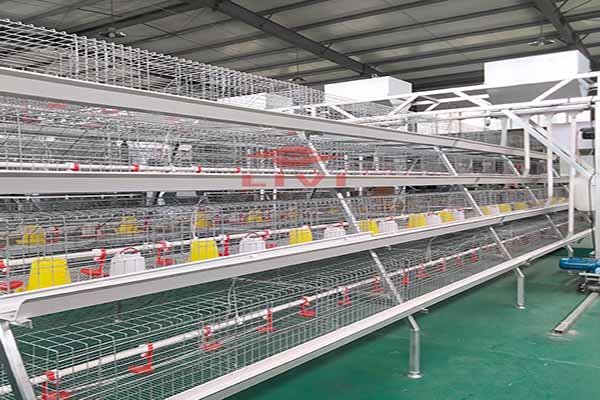
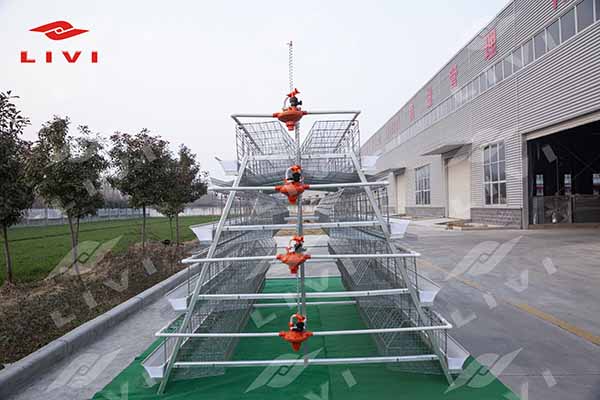
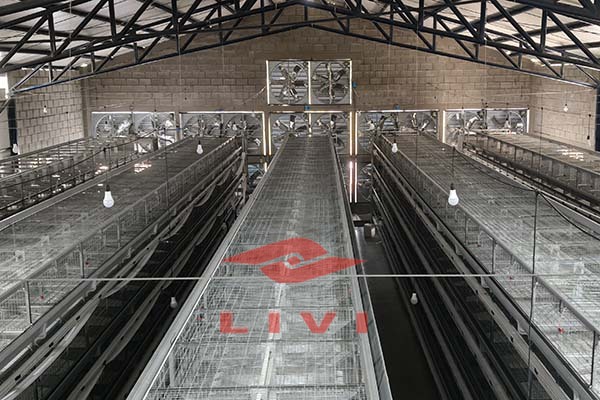
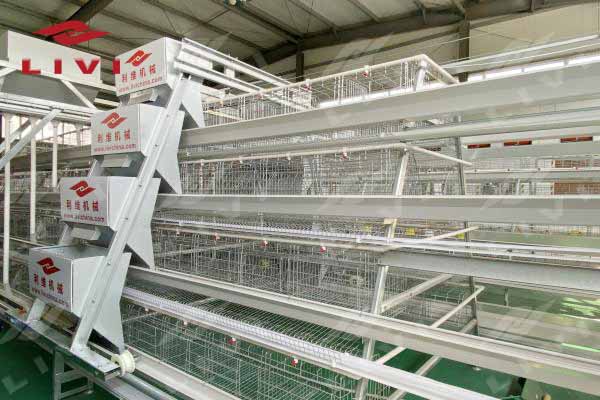
A 30,000-layer project in Zimbabwe should be evaluated as a multi-house or phased production system rather than a single cage count. Before choosing an A type layer battery cage, confirm land and house layout, flock replacement schedule, water and power reliability, labor availability, and climate-management strategy. Livi A-Type Layer Battery Cage supports 5,000–30,000 birds, uses Q235 steel with hot-dip galvanizing, and carries a stated 15–20 year service life. Final cage quantity, tier and row arrangement, and automation interfaces remain conditional until site-specific inputs are confirmed.
Planning a Similar 30,000-Layer Poultry Project?
Share your Zimbabwe or Nigeria site dimensions, flock schedule, power and water conditions, and automation needs so LIVI can prepare a feasibility-focused cage layout.
Why Feasibility Must Come Before Cage Selection
A decision-stage buyer should first confirm whether the project should be built, what production model fits, and at what scale. Labor availability, flock lifecycle, egg market access, feed logistics, and utility reliability determine whether 30,000 layers is workable. This is a commercial-scale decision, not a simple products comparison. A-Type layer battery cages then become one planning input after house width, row arrangement, tier count, and automation level are defined. Nigerian buyers can apply the same framework, but must verify Nigeria-specific power, logistics, market, and regulatory conditions separately. Lighting and pullet development also need disciplined management because light management is important from brooding through all laying periods.
30,000-Layer Zimbabwe Project: Confirmed Equipment Inputs and Decision Data
| Planning Item | Confirmed Input / Decision Requirement |
|---|---|
| Target flock | 30,000 layers; may use one or more houses in phased batches |
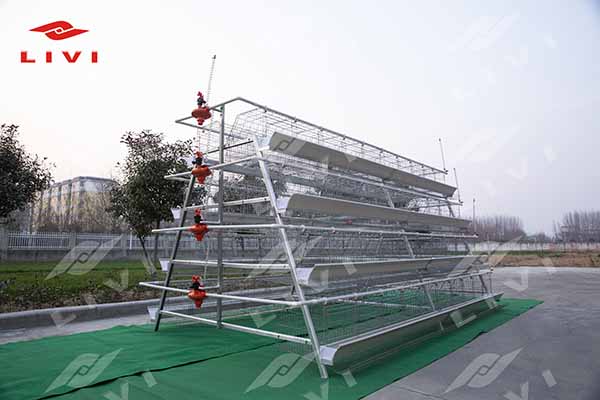
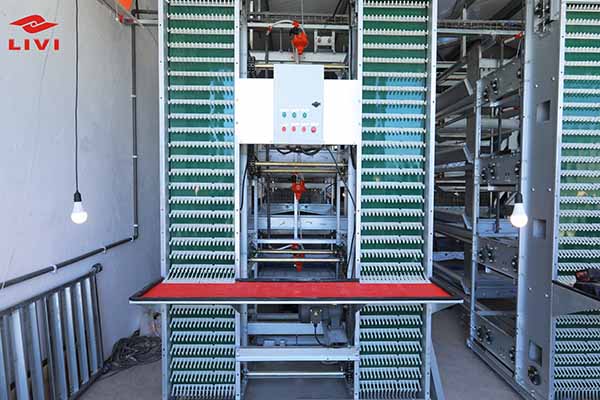
| Cage type | Livi A-Type Layer Battery Cage; supplied for 5,000–30,000 birds |
| Material | Q235 steel, hot-dip galvanized |
| Service life | 15–20 years per supplied data |
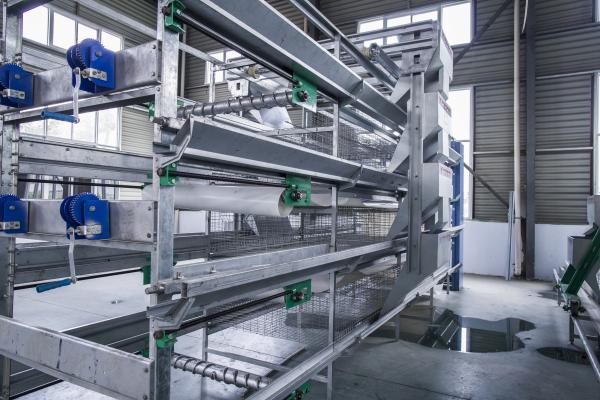
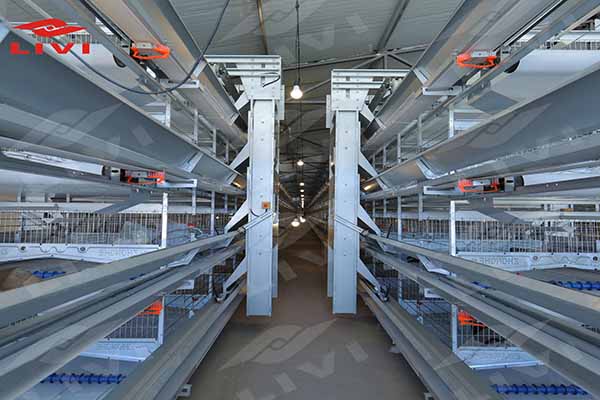
| Automation | Feeding and cleaning can integrate; drinking, manure removal, egg collection and climate control to confirm |
| House/utility | House dimensions, row/tier configuration, power phase and frequency, water quality, backup power to confirm |
Automation, Labor, and Lifecycle Trade-Offs
Automation should follow the most repetitive daily tasks: feeding, drinking, manure removal, egg collection and environmental control. Higher mechanization increases power dependency, while lower mechanization increases labor dependency; choose by labor availability, power reliability and management capacity. A layer battery cage system can integrate feeding and cleaning, but other interfaces must be confirmed for the specific site. Replacement timing matters because pullets should come into production at around 20 weeks of age. A 30,000-layer farm moves feed, eggs, manure, workers and replacement birds daily, so risk extends across the full lifecycle, not only installation.
Zimbabwe Transport, Energy and Climate Adaptation
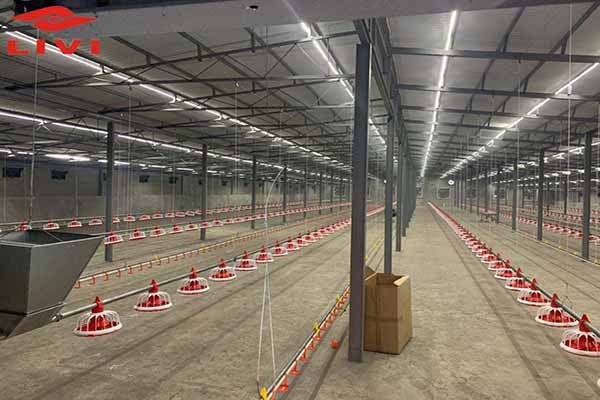
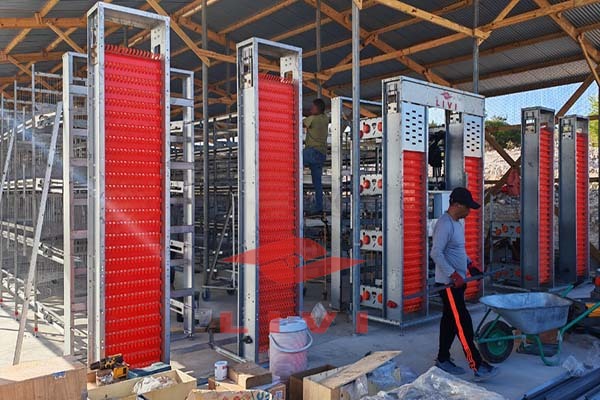
Confirm shipping route, port, inland transport, site access and import/clearance requirements before manufacturing. Check power voltage, phase, frequency and backup supply because motorized feeding, manure removal and ventilation need stable electricity. Hot climate zones require ventilation and heat management designed with cage rows, not added later. Water supply, storage and quality must support clean water and good-quality feed and cleaning. The project is not only a poultry cage system quote; house layout, installation space and local electrical conditions must be part of the review.
Not Sure Which Cage and Automation Fit Your Farm?
Send your target capacity, poultry house dimensions, labor availability and utility constraints for a conditional A-Type layer battery cage configuration and phased expansion review.
Reference Case Boundary
The supplied Burkina Faso 5,000-layer + 5,000-pullet dual-unit solution is not a Zimbabwe 30,000-layer case. It uses a 38×8×4 m layer house, a 42×8×3.5 m pullet house, A-Type cage sizes 1950×350×380 mm and 1950×500×350 mm, and 380V. The transferable logic is managing replacement flock, house transfer, feeding, manure, egg flow and biosecurity as one production system. No Zimbabwe completion, performance, payback or approval data is available.
Implementation and Commissioning Sequence
- Confirm project direction: target flock, production phase, house count and phased expansion objective.
- Collect site inputs: land boundaries, house dimensions, orientation, water, power, feed logistics and labor.
- Define automation scope: feeding, drinking, manure removal, egg collection and climate-control systems.
- Approve equipment layout: cage row and tier arrangement, aisles, utility interfaces, expansion space.
- Confirm export documentation, shipping route and customs clearance for Zimbabwe.
- Prepare foundation and clearances, then install, commission, test automation and train operators.
FAQ
Is a 30,000-layer poultry farm solution in Zimbabwe feasible without a confirmed site layout?
No. Bird count alone cannot confirm feasibility. House dimensions, land shape, water supply, power reliability, labor availability and production phasing must be checked first. A 30,000-layer project may use multiple houses or phased batches, so cage layout and automation depend on the final housing plan.
How many Livi layer battery cages are needed for 30,000 layers in Zimbabwe?
The exact quantity cannot be calculated before tier configuration, row arrangement and house dimensions are confirmed. Livi A-Type Layer Battery Cage covers 5,000–30,000 birds, so multiple sets may be needed. Work from bird stage, cage type, tier count, set capacity and layout instead of dividing by an assumed birds-per-set value.
Should a 30,000-layer project in Zimbabwe use A-Type layer battery cages or another system?
A-Type layer battery cages can support the 5,000–30,000 bird range and may suit medium-scale projects when building width, labor and cost align. Compare house width, automation level, manure management, ventilation, budget and future expansion before locking in one cage system.
Which automation should be planned for an automatic poultry farm in Zimbabwe?
Automation should address the most repetitive daily tasks: feeding, drinking, manure removal, egg collection and environment control. Higher mechanization increases power dependence; lower mechanization increases labor dependence. Choose based on labor availability, power reliability and management capacity. The supplied A-Type cage can integrate feeding and cleaning; other interfaces require site confirmation.
Why should labor, lifecycle and operational risk be evaluated before buying cages?
A 30,000-layer farm moves feed, eggs, manure, workers and replacement birds daily, so risk appears across the flock lifecycle, not only at installation. Labor shortages, power interruptions, heat stress and poor flock scheduling can affect long-term operation and should be designed into layout and equipment before purchase.
Planning a Similar 30,000-Layer Poultry Project?
Not Sure Which Cage and Automation Fit Your Farm?
Send your target capacity, poultry house dimensions, labor availability and utility constraints for a conditional A-Type layer battery cage configuration and phased expansion review.
TAGs: 30000 layers poultry farm solution in Zimbabwe, Livi layer battery cages, automatic poultry farm in Zimbabwe, A-Type layer battery cage, commercial layer farm planning, poultry farm labor and lifecycle risk