

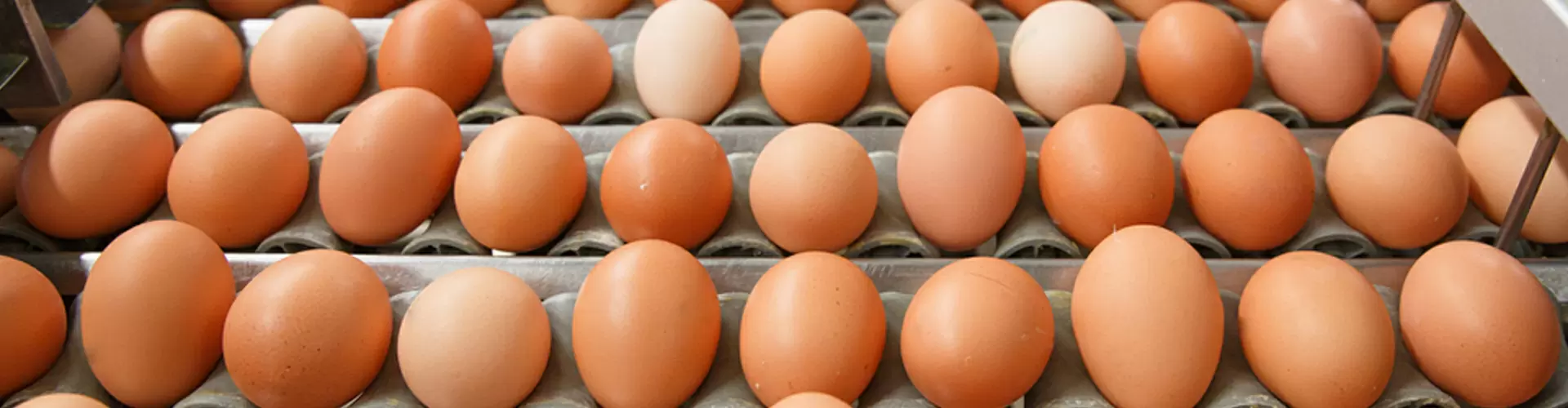

Project Feasibility Summary for a 20,000-Layer Ghana Poultry Project
A 20,000-layer project should be planned as a multi-house production system, such as two 10,000-bird houses or four 5,000-bird houses, based on confirmed land shape and management strategy. The LIVI Layer Battery Cage configuration can be finalized only after site, poultry-house dimensions, target automation level and utility conditions are confirmed. Main feasibility risk areas include labor availability, heat and humidity ventilation, power continuity, water quality and infrastructure cost. Market access should also consider evolving welfare and housing expectations; some countries have banned conventional cages for laying hens, so do not lock the farm into a layout that cannot be adapted later.
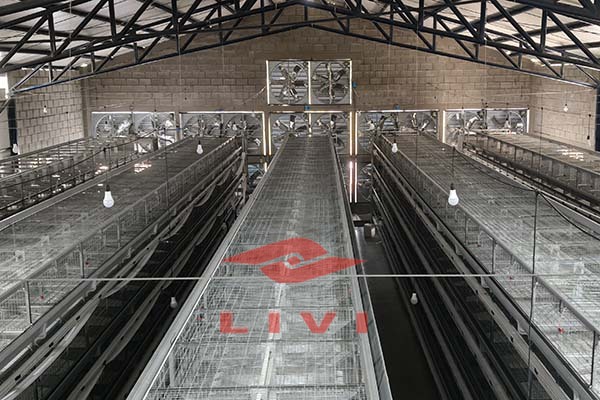
Planning a 20,000-Layer Poultry Project in Ghana?
Share your target capacity, land or poultry-house dimensions, climate, power and water conditions, and automation needs so LIVI can help you evaluate feasibility and prepare a suitable layer battery cage configuration.
Why Feasibility Must Come Before Layer Cage Selection in Ghana
A 20,000-layer farm is a commercial-scale project. The investor should first confirm the layer production direction, market outlet, minimum viable flock and phased expansion plan. In Ghana, local heat and humidity periods, electricity reliability, water availability and labor supply should determine the realistic automation and ventilation level before finalizing a LIVI Layer Battery Cage configuration. Larger commercial operations typically shift toward increased mechanization and automation, but the equipment plan must follow the operating conditions and construction budget.
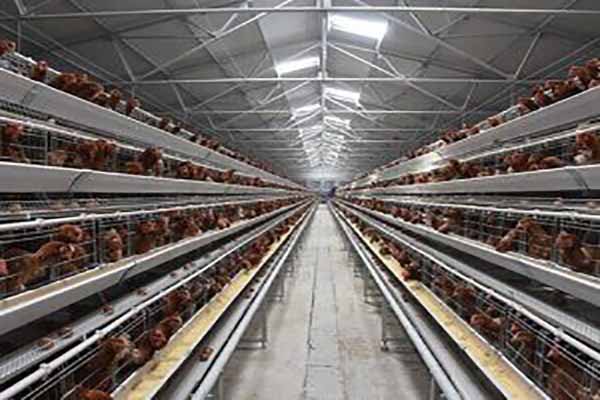
LIVI Layer Battery Cage Feasibility Checklist for 20,000 Layers in Ghana
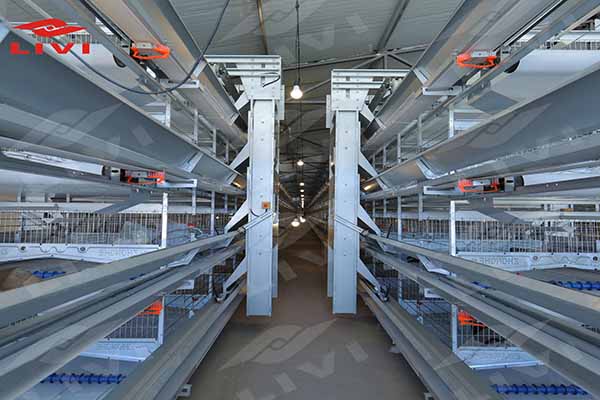
| Evaluation item | What to confirm | Planning note |
|---|---|---|
| Target flock 20,000 layers | Ghana project size | Confirm one-phase or phased expansion. |
| Poultry house layout | Number and interior dimensions of houses | Calculate row length and cage quantity only after house dimensions are measured. |
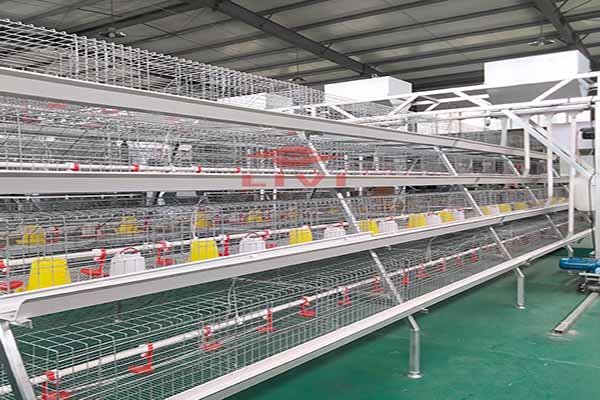
| LIVI Layer Battery Cage system | H-Type or alternative layer cage arrangement | Select the cage configuration after stocking density, automation and house structure are known. |
| Automatic Feeding and Drinking System | Feed storage, water source, pressure and filtration | Plan these as integrated utilities, not as cage add-ons. |
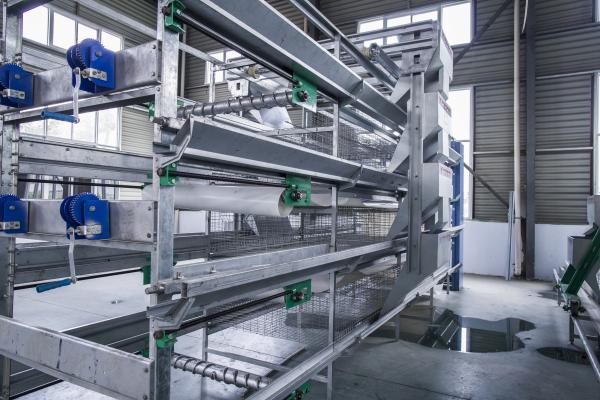
| Automatic Egg Collection and Manure Removal | Collection points and manure discharge route | Match automation level to available labor and capital. |
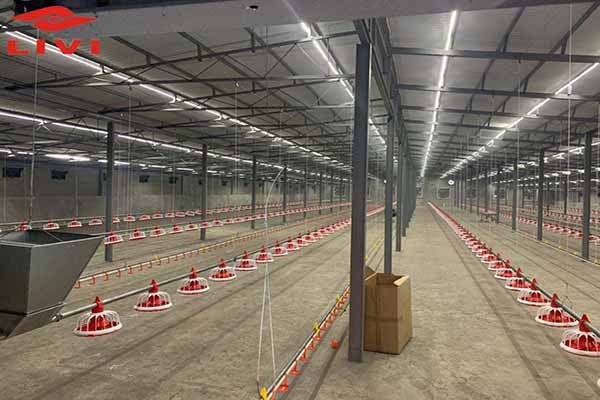
| Ventilation and Climate Control System | Peak temperature, humidity and airflow | Confirm whether exhaust fans, inlets, sensors and optional cooling are required for the site. |
| Power and backup supply | Voltage, frequency and reliability | Prioritize ventilation, drinking water, controllers and alarms in backup planning. |
| Water and biosecurity | Water storage, quality and entry control | Reserve space for water storage, disinfection and farm zoning. |
Reference Boundary: Nigeria Large-Scale Solution Is Not a Ghana 20,000-Layer Case
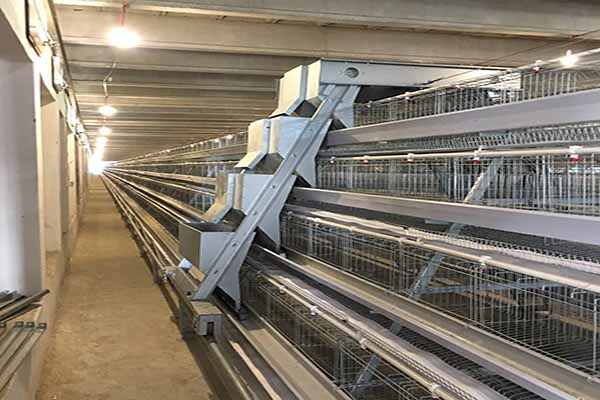
The supplied 100,000-layer Nigeria solution shows how a multi-house H-Type Layer Cage system, Automatic Feeding, Drinking System, Egg Collection, Manure Removal, ventilation and backup power can be structured. However, it does not establish final cage quantity, house size or performance data for Ghana. A Ghana 20,000-layer evaluation must be re-engineered from local land, climate, power, water and market conditions.
Transport, Site Access, and Ghana Climate Adaptation
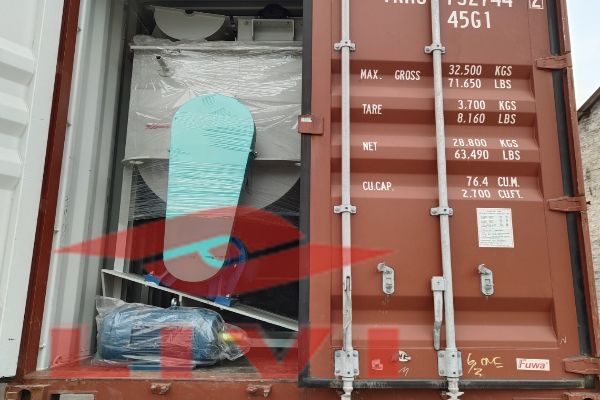
Confirm port-to-site access, road limits, container handling and offloading before equipment arrival. Review house orientation, insulation, roof design and ventilation capacity for Ghana heat and humidity. Transport, duty and offloading details must be confirmed through official quotation and project documentation; do not assume freight price or schedule.
Need a Site-Specific LIVI Layer Battery Cage Layout?
Tell us your Ghana project location, available land, house dimensions, power reliability, water supply and planned flock size, and LIVI can prepare a project-specific equipment and infrastructure plan.
Implementation and Commissioning Sequence
- Confirm project direction, market access and phased investment plan.
- Confirm Ghana site conditions: land dimensions, access roads, water source, power voltage/frequency/reliability and local climate.
- Provide poultry-house dimensions or planned building sizes and identify the desired automation level.
- Work with LIVI to evaluate the LIVI Layer Battery Cage configuration, row layout and supporting feeding, drinking, egg collection, manure removal and ventilation systems.
- Prepare site infrastructure: housing, feed storage, egg handling area, manure disposal zone, utilities, biosecurity and expansion space.
- Confirm production, delivery, installation, commissioning and training scope, then execute in the agreed phase order.
FAQ
Is a 20,000-layer poultry project operationally feasible in Ghana?
It can be feasible if the investor confirms market access, land, water, power, climate management and a phased construction plan before buying equipment. Feasibility should not be based on cage price alone; labor availability, ventilation design and infrastructure reliability are critical for this scale. A project-specific review is needed because a 20,000-layer farm is a multi-system operation rather than a simple cage installation.
Should I choose H-Type or A-Type cages for 20,000 layers in Ghana?
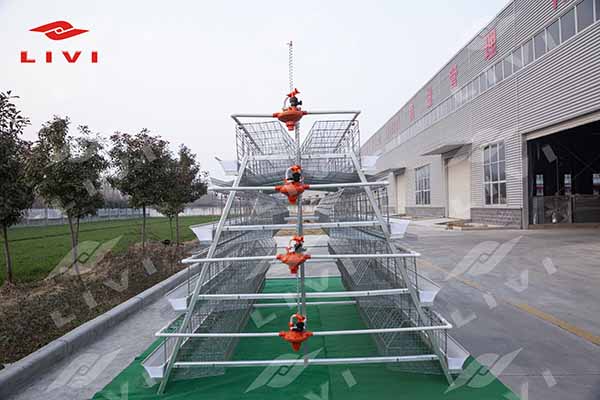
The choice depends on confirmed house dimensions, land area, target automation level, ventilation design and future expansion. For higher-density automated production, an H-Type configuration may be suitable, but the final LIVI Layer Battery Cage arrangement must be engineered from Ghana project inputs.
Which automation systems should be planned with a 20,000-layer cage system?
The main systems are Automatic Feeding, Drinking System, Egg Collection, Manure Removal, Ventilation and Climate Control System. Each system should be planned with feed storage, water storage and pressure control, egg handling route, manure removal route and critical power supply. Treat these as one integrated production system, not separate equipment purchases.
Does a 20,000-layer automated poultry house in Ghana need backup power?
Yes. Backup power should be considered for ventilation, drinking water, environmental controllers and alarms. The farm should define a restart sequence so bird safety systems are restored first after a power interruption. Feeding and other production equipment can be prioritized after life-safety and environmental systems.
Can a 20,000-layer farm in Ghana be built in phases?
Yes, if the master layout reserves future poultry houses, roads, water capacity, power capacity, feed routes, egg handling and manure handling space. This helps avoid expensive redesign when the project expands later. The phase plan should be fixed before site works begin so utility routes and biosecurity zoning remain workable.
Planning a 20,000-Layer Poultry Project in Ghana?
Share your target capacity, land or poultry-house dimensions, climate, power and water conditions, and automation needs so LIVI can help you evaluate feasibility and prepare a suitable layer battery cage configuration.
Need a Site-Specific LIVI Layer Battery Cage Layout?
TAGs: LIVI Layer Battery Cage Ghana, 20,000 layers poultry farm, automatic layer cage system, Ghana commercial layer farming, poultry farm feasibility, H-Type layer cage