


Quick Answer: What Should a 50,000-Layer Tanzania Project Validate First?
A 50000 Layers Poultry Farm In Tanzania should first validate whether its poultry house, utilities, operating workflow, and maintenance responsibilities can support one integrated Automated Cage System. The authorized project evidence supplied for this assessment is a Uganda reference design, not a completed Tanzania installation.
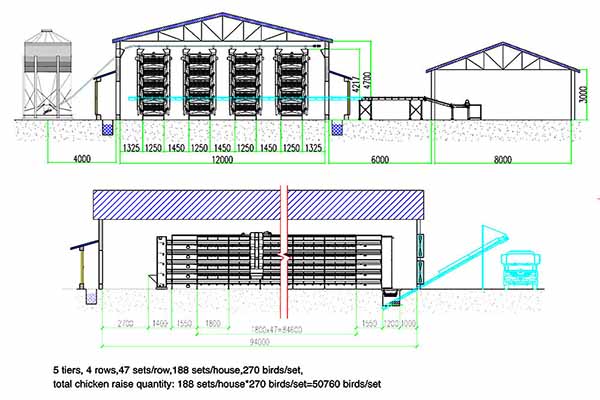
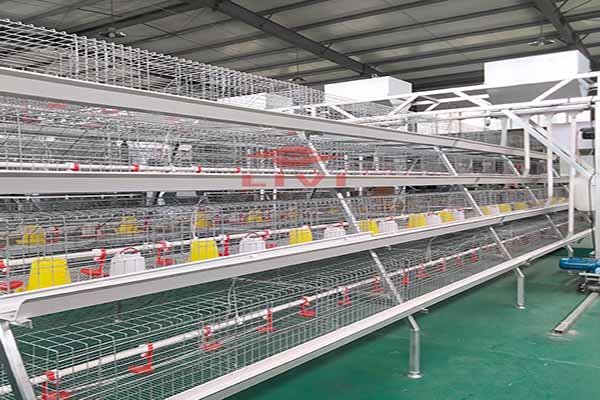
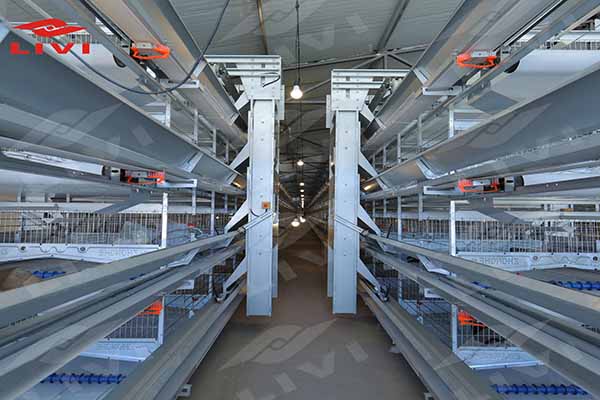
That Uganda design specifies 280 five-tier, two-door H-Type Layer Cage sets across four rows, with 180 layers per set and a total installed capacity of 50,400 layers. It provides a practical capacity-and-process reference for Tanzania buyers, but the final Tanzania layout and equipment scope must be confirmed against the actual site, house orientation, climate information, water conditions, power supply, management plan, and project schedule.
Project Summary
| Item | Confirmed Reference Information |
|---|---|
| Evidence location | Uganda |
| Reference status | Proposed 50,000-layer farm design |
| Planned flock | Approximately 50,000 layers |
| Installed cage capacity | 50,400 layers |
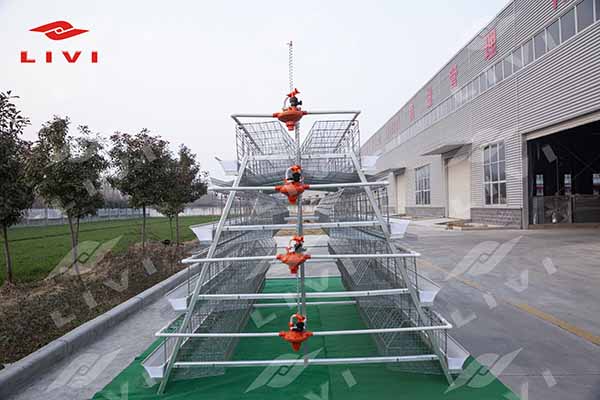
| Cage configuration | Five-tier, two-door H-Type Layer Cage |
| Cage quantity | 280 sets |
| Layout | 4 rows × 70 sets per row |
| Capacity per set | 180 layers |
| Reference house size | Approximately 95 × 15 × 5 m |
| Cage-line length | Approximately 84 m |
| Proposed automation scope | Automatic Feeding, nipple drinking, Automatic Egg Collection, Automatic Manure Removal, ventilation, cooling, and Environmental Control |
Customer Case Evidence: Uganda Reference Design, Not a Tanzania Completed Installation
The verified project material is a commercial layer-farm design for Uganda. It should not be presented as a completed Tanzania customer case, and it does not provide Tanzania installation progress, flock performance, egg output, labor figures, or commercial results.
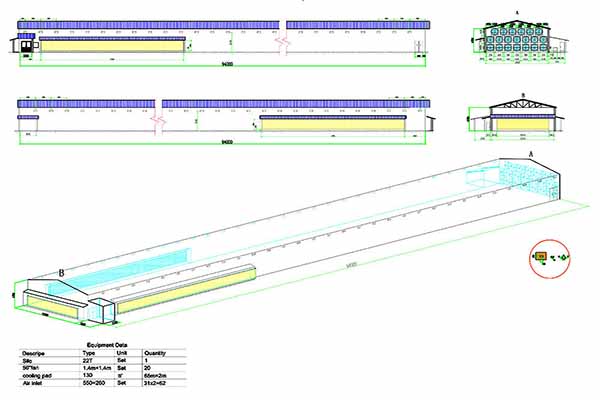
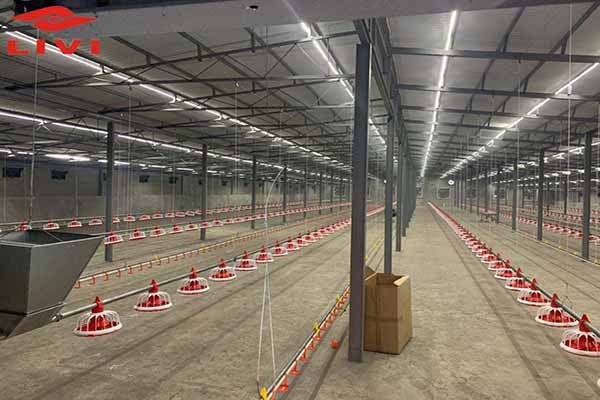
The Uganda reference design proposes one enclosed layer house of approximately 95 × 15 × 5 m. The layout uses four cage rows, each with 70 cage sets. At 180 layers per set, the calculation is:
280 cage sets × 180 layers = 50,400 layers
For a Tanzania layer farm project, these figures are useful for testing whether a proposed building can accommodate a comparable cage arrangement and whether the required feed, water, egg-handling, manure-discharge, ventilation, and maintenance interfaces can be planned together. They are not fixed Tanzania construction or equipment requirements.
Why an Integrated Automated Cage System Requires Readiness Assessment
A 50,000-layer project is not simply a cage purchase. Cage capacity, feed transfer, drinking water, egg handling, manure discharge, ventilation, cooling, and daily inspection routes must work as a coordinated system.
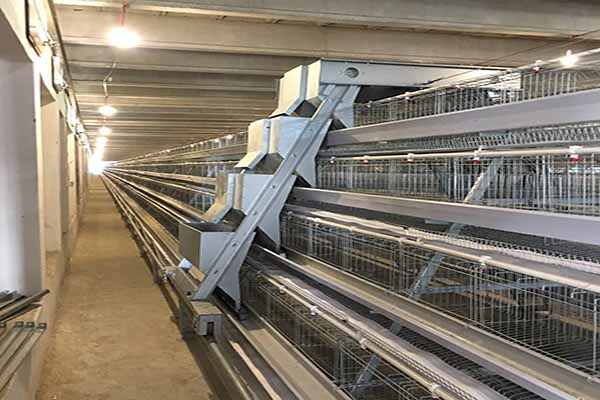
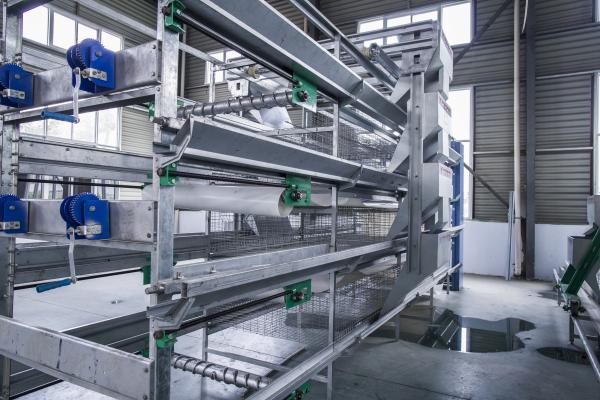
The Uganda reference arrangement shows this integration clearly. Four cage rows and five cage tiers create multiple connected operating interfaces. Feed must reach each cage line, water must be supplied across all tiers, eggs must move from cage rows into the collection process, and manure must be discharged from every tier. Ventilation and cooling must also be coordinated with the poultry house and Control System.
For a 50000 Layers Poultry Farm In Tanzania, the key buyer decision is therefore not only whether H-Type cages fit the target capacity. It is whether the site can support the complete operating process:
- A confirmed poultry house or available land area
- Defined cage-row layout and service access
- Water supply conditions for nipple drinking
- Electricity conditions for integrated equipment
- A maintenance plan for mechanical and electrical equipment
- A planned route for feed delivery, egg handling, and manure discharge
- A confirmed automation level and construction schedule
The preliminary Uganda house size of approximately 95 × 15 × 5 m and the four-row arrangement provide a reference point only. Final Tanzania dimensions and quantities require project-specific engineering confirmation.
Verified Reference Design: 50,400-Layer Uganda Planning Configuration
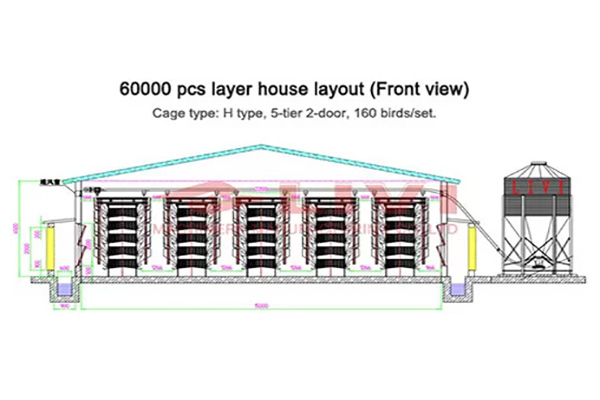
| Reference Design Item | Verified Uganda Reference | Tanzania Assessment Use |
|---|---|---|
| Reference location | Uganda planning reference | Confirm the actual Tanzania project location and site conditions before final design. |
| Planned capacity | Approximately 50,000 layers | Confirm the target flock size and production plan. |
| Installed capacity | 50,400 layers | Confirm final capacity after the Tanzania cage layout is approved. |
| Cage type | Five-tier, two-door H-Type Layer Cage | Confirm suitability with the poultry house and management plan. |
| Cage quantity | 280 sets | Final quantity requires project-specific confirmation. |
| Capacity per set | 180 layers | Confirm final stocking and equipment configuration. |
| Cage layout | 4 rows × 70 sets | Confirm final row layout, service routes, and house interfaces. |
| Reference house size | Approximately 95 × 15 × 5 m | Adjust for the Tanzania site, house orientation, utilities, and engineering requirements. |
| Cage-line length | Approximately 84 m | Confirm final line length with the approved layout. |
| Automation scope | Automatic Feeding, nipple drinking, Automatic Egg Collection, Automatic Manure Removal, fans, cooling pads, air inlets, and controller | Confirm final equipment quantities and interfaces for the Tanzania project. |
Equipment Considerations for the Reference System
The reference design can integrate Automatic Feeding, automatic nipple drinking, Automatic Egg Collection, Automatic Manure Removal, ventilation, cooling, and Environmental Control.
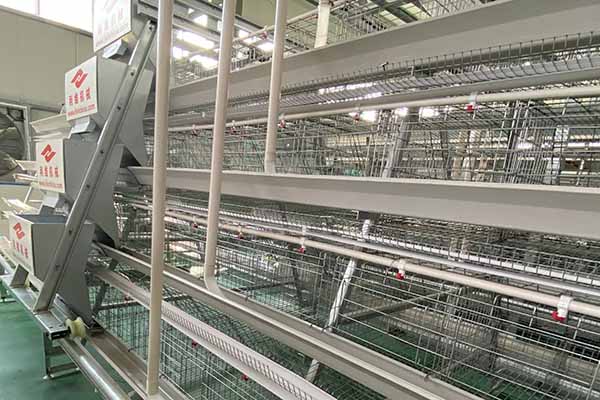
The LIVI H1200 layer equipment information also identifies key structural and feeding components. The cage mesh uses Q235 material with hot-dip galvanized surface treatment. Its specified mesh details include 2.3mm bottom, side, and partition mesh wire; 4.0mm cage-door wire; 2.5mm support wire; 25mm bottom-mesh wire spacing; and a 7° cage-floor slope designed to guide eggs toward the egg trough.
For Automatic Feeding, the traveling feeder has a 3.0mm zinc-aluminum-magnesium alloy frame, a 1.0mm hopper, and a 0.75kw motor. The associated horizontal and inclined feed auger has a 3.0mm PVC outer pipe with a 110mm diameter and a 1.1kw motor.
These verified component details help buyers assess equipment interfaces. They do not establish the final Tanzania equipment list or quantities.
Implementation Steps for a Tanzania Project
- Confirm the planned layer quantity, available land or existing poultry house dimensions, water conditions, electricity conditions, required automation level, and construction schedule.
- Use the Uganda configuration as an initial capacity-and-process benchmark, then confirm the Tanzania cage layout and automation scope.
- Prepare the poultry house, utility interfaces, and installation conditions according to approved drawings and project requirements.
- Confirm the final equipment scope and project agreement before packing and shipping planning.
- Install the cage structure and integrated equipment according to supplied manuals and drawings, using remote technical guidance or on-site guidance when agreed.
- Train operating personnel and define inspection, operation, and maintenance responsibilities before routine use.
Transportation Readiness: What Should Be Confirmed Before Equipment Shipment?
LIVI states that its service scope can include packing and shipping support. Before shipment planning for a Tanzania project, the project team should confirm the target location, final equipment configuration, available site access, and preferred construction schedule.
The H1200 cage mesh is modular and uses standardized dimensions intended to support transportation and on-site installation. However, no Tanzania-specific shipping method, transit time, port, customs process, container quantity, or delivery status is included in the authorized material. These items must be defined under the final project agreement.
How LIVI Can Support Project Preparation
LIVI can prepare a customized cage layout, equipment configuration, and quotation after receiving the project location, bird quantity, land or house dimensions, climate information, utility conditions, automation requirements, and schedule.
The stated service scope can include packing and shipping support, installation manuals and drawings, remote technical guidance, on-site installation guidance when agreed, staff operation training, and after-sales technical support. Final design should be adjusted to the customer’s land, poultry house orientation, local climate, power supply, and management plan.
Next Step for Tanzania Buyers
Planning a 50000 Layers Poultry Farm In Tanzania begins with confirming site and operating readiness. Share the planned layer capacity, land or poultry house dimensions, water and electricity conditions, required automation level, and schedule with LIVI. The team can assess whether the verified Uganda reference approach should be adapted into a project-specific cage layout, equipment configuration, shipping plan, and installation-support scope.