


Summary: Accurately calculating the Broiler Deep Litter System Price is crucial for Ghana farms planning a 20,000-bird operation. Our detailed analysis breaks down capital costs, operational factors, and ROI to ensure your investment in a deep litter system for broilers delivers maximum profitability and flock health.
Why Accurately Calculating Broiler Deep Litter System Price is Critical for Ghanaian Farmers
Understanding the true cost of a broiler deep litter system is more than just budgeting; it’s a fundamental step in ensuring the financial viability and long-term success of a poultry operation in Ghana. An accurate calculation separates a sustainable investment from a financial burden, directly impacting profitability.
- Addresses: High upfront capital requirements and fluctuating local material costs.
- Key Advantage: Enables better loan structuring with financial institutions and prevents project abandonment mid-cycle.
To build an accurate budget, farmers should follow a sequential assessment:
- Itemize all capital expenses: housing construction, feeders, drinkers, and brooders.
- Calculate recurring operational costs: day-old chicks, feed, vaccines, and labor.
- Factor in a contingency of 10-15% for price volatility in imported equipment or feed.
| Cost Component | Local Sourcing | Imported Option |
|---|---|---|
| Basic Housing Structure | Often more affordable | Potentially higher durability |
| Automated Feeders/Drinkers | Limited availability | Wider selection, higher initial Broiler Deep Litter System Price |
Accurate costing protects your investment and guides smarter purchasing decisions. We offer detailed, localized cost breakdowns and durable equipment suited for Ghana’s climate. Contact us for a personalized budget analysis to secure your farm’s future.
Breaking Down the Capital Costs for a 20,000-Bird Broiler Deep Litter System
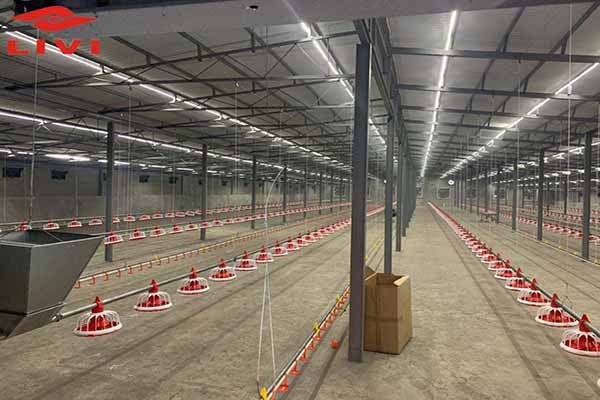
Understanding the initial investment required for a 20,000-bird operation is crucial for financial planning in Ghana’s poultry sector. This breakdown focuses on the primary equipment and infrastructure costs, excluding land and variable expenses, to provide a clear picture of capital outlay for a Broiler Deep Litter System.
- Housing construction (insulated walls, roofing, and concrete floor)
- Ventilation and cooling systems (fans, pads, and controllers)
- Feeding and drinking lines (automatic feeders and nipple drinkers)
- Brooders, heaters, and backup power generation
For a 20,000-bird capacity, major cost items can be estimated as follows:
| Cost Category | Estimated Range (GHS) | Key Considerations |
|---|---|---|
| Poultry House Construction | 180,000 – 250,000 | Size, local material costs, and labor |
| Ventilation & Environment Control | 40,000 – 65,000 | Essential for Ghana’s climate to prevent heat stress |
| Feeding & Watering Equipment | 30,000 – 45,000 | Automated systems reduce labor costs |
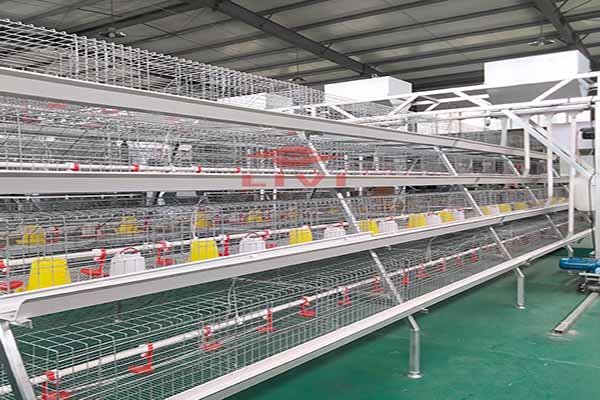
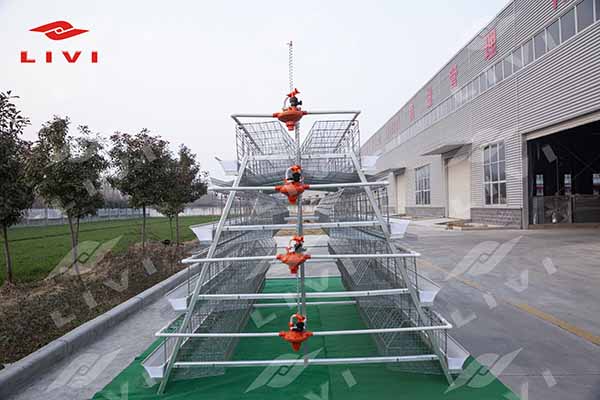
While a deep litter system is a common choice, it’s important to evaluate alternatives like the H-Type Broiler Cage for space efficiency. A comparative financial analysis is key. To make an informed decision for your farm, request a detailed 20,000-bird H-Type vs. Deep Litter capital cost and ROI comparison tailored to Ghanaian operating conditions.
Factoring Operational Costs into Your Broiler Deep Litter System Price Analysis
When analyzing the total investment for a poultry farm in Ghana, the initial equipment price is just one component. A thorough financial plan must account for the ongoing operational expenses that directly impact your long-term profitability, especially when comparing systems like the H-Type cage with a traditional Broiler Deep Litter System.
- Litter Management: Regular procurement of wood shavings, estimated at 1-2 bags per 100 birds per cycle, plus labor for spreading and removal.
- Feed & Water Wastage: Higher spillage and contamination rates on the floor can increase feed costs by 5-10% compared to automated cage feeding.
- Labor Intensity: Manual tasks like spreading feed, managing litter, and bird handling typically require more manpower.
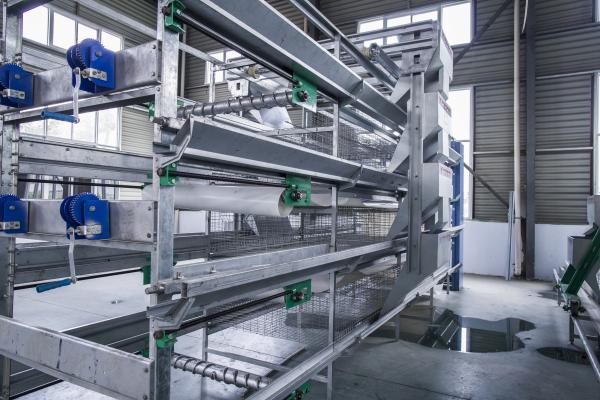
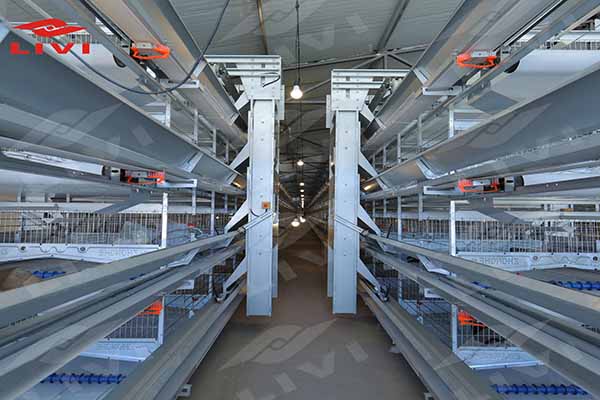
In contrast, an automated H-Type Broiler Cage system consolidates many operational processes, leading to more predictable and often lower recurring costs. The investment shifts towards mechanization but yields savings in other areas.
- Automated Feeding & Watering: Reduces feed waste to 2-3% and cuts daily labor time by up to 40%.
- Manure Management: Manure drops through the cage, eliminating litter costs and simplifying collection for sale or disposal.
- Health & Medication: Improved hygiene and bird separation can lower mortality rates and reduce disease-related medication expenses.
| Operational Cost Factor | Deep Litter System | H-Type Cage System |
|---|---|---|
| Litter Material | High | None |
| Feed Efficiency | Standard | High |
| Labor Requirement | High | Moderate |
Ultimately, a complete price analysis weighs higher initial capital against lower, controlled operational expenditure. For Ghanaian farmers targeting scale and efficiency, the H-Type cage often presents a stronger long-term ROI despite its upfront cost. We provide detailed operational cost projections alongside our equipment quotes to help you make an informed decision. Request a customized cost-benefit analysis for your specific farm size today.
Projecting ROI and Profitability from Your Deep Litter System Investment
To accurately project the return on investment for your poultry farm, a detailed analysis of your Deep Litter System is essential. This section will guide you through calculating key financial metrics and comparing them with modern cage alternatives to inform your capital planning.
The primary costs of a traditional Deep Litter System include initial bedding material, ongoing litter purchases, higher labor for frequent management, and increased medication due to disease risk. To project ROI, you must quantify these against revenue. Key steps are:
- Calculate total annual costs (litter, labor, feed, vaccines).
- Estimate annual revenue based on flock size, target weight, and local broiler prices.
- Divide your net annual profit by the total initial and recurring system investment.
Consider this simplified comparison for a 5,000-bird operation in Ghana over one year:
| Cost/Revenue Factor | Deep Litter System | H-Type Broiler Cage |
|---|---|---|
| Space Required | 750 sq. m | 150 sq. m |
| Estimated Labor Time | 35 hours/week | 20 hours/week |
| Common Medication Cost | GHS 3,500 | GHS 2,000 |
A case study from a Kumasi farm with 3,000 birds showed that switching from deep litter to an H-Type cage system increased annual profit by approximately 22%, primarily due to:• Reduced mortality rates from 7% to 4%. • Lower feed waste, saving an estimated 8% on feed costs. • Higher stocking density, allowing for farm expansion without new land. For a precise profitability forecast tailored to your location and scale, request a custom ROI analysis comparing your current deep litter costs with an H-Type cage investment. We provide detailed financial modeling based on local Ghanaian input prices and market rates to help you make a data-driven decision.
Securing Maximum Profitability and Flock Health with Your Calculated Investment
This section explores how strategic equipment investment, particularly in H-Type broiler cages, directly impacts your bottom line and flock vitality in Ghana’s competitive market.
- Minimize feed wastage by up to 15%
- Reduce labor requirements for cleaning and feeding
- Enable easier monitoring and management of bird health
The enclosed design of cage systems significantly enhances biosecurity and flock health. Birds have less contact with manure, lowering the risk of disease and parasite transmission common in a Deep Litter System. Key health benefits include:
- Drastic reduction in coccidiosis and bacterial infections.
- Improved air quality and easier ventilation management.
- Consistent access to clean feed and water, promoting uniform growth.
To secure these returns, a calculated investment is essential. We analyze your specific farm size and goals to provide a clear ROI projection. For a tailored cost-benefit analysis for your operation in Ghana, request a customized H-Type cage layout and financial model.