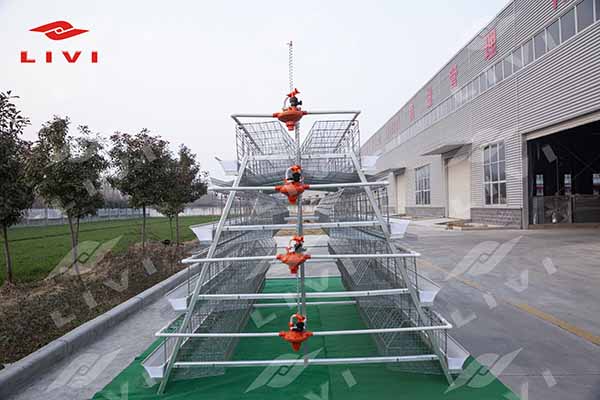



This guide provides a detailed cost analysis for an automatic chicken cage system price in Ghana, tailored for a 20,000-layer farm. Understand the investment for a complete automatic chicken cage system and its impact on operational efficiency, labor savings, and long-term profitability for commercial poultry operations.
Understanding the Importance of an Automatic Chicken Cage System for Ghanaian Poultry Farms
For Ghanaian poultry farmers aiming to scale operations and improve profitability, modernizing infrastructure is a critical step. This section explores how adopting an Automatic Chicken cage system addresses local challenges like labor costs and feed waste, directly impacting your farm’s bottom line.
- Feed Management: Automated feeders deliver precise rations on schedule, reducing waste by up to 15% compared to manual methods.
- Water Supply: Nipple drinkers ensure a constant supply of clean water, cutting disease risk.
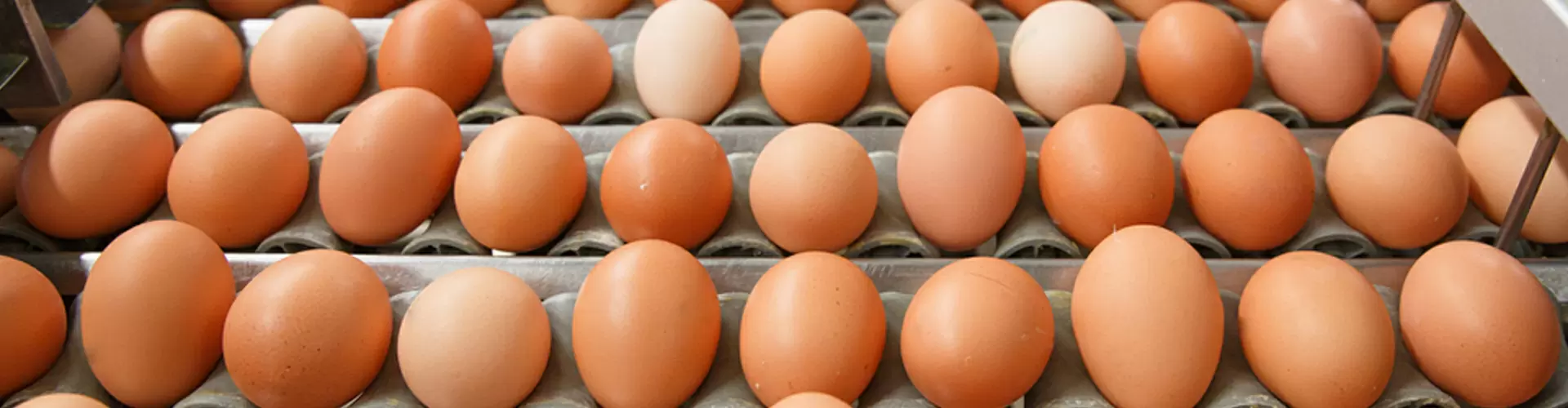
- Egg Collection: Gentle conveyor belts automatically gather eggs, minimizing breakage and labor.
Implementing this technology follows a logical sequence to ensure a smooth transition for your farm.
- Assessment: Evaluate your current flock size, barn dimensions, and power supply reliability.
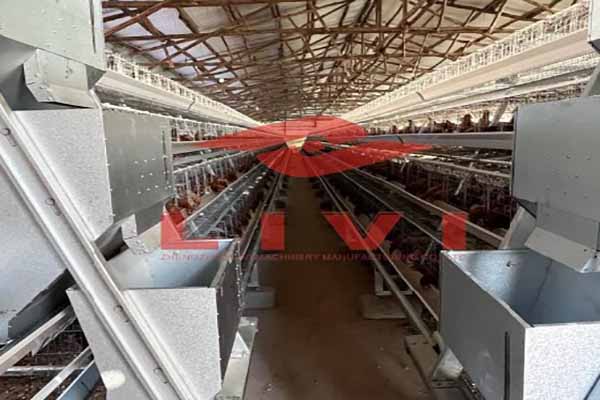
- System Design: Choose a cage configuration (e.g., A-type or H-type) that maximizes your available space for the target bird density.
- Installation & Training: Professional setup is coupled with training for your staff on daily monitoring and basic maintenance.
By integrating automation, Ghanaian farms can achieve significant gains in productivity and animal welfare. The consistent environment reduces bird stress, leading to better feed conversion ratios and more uniform egg production. This investment not only streamlines daily management but also builds a foundation for sustainable, large-scale poultry farming in the region.
We provide robust systems engineered for Ghana’s climate, backed by local technical support and training. Contact our team for a customized layout plan and ROI analysis for your specific farm size.
Breaking Down the Automatic Chicken Cage System Price for a 20,000-Layer Farm
Understanding the Automatic Chicken Cage System Price for a 20,000-layer farm in Ghana requires analyzing several core components beyond a single quote. This breakdown helps farmers budget effectively and make informed investment decisions for long-term productivity.
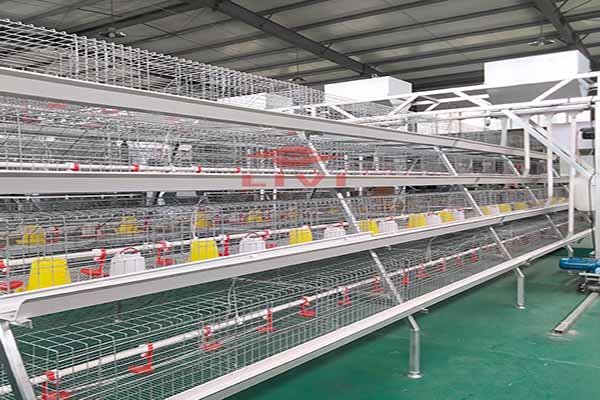
- Cage Structure & Material: The price varies between hot-dip galvanized steel (more durable) and alternative coatings. A 20,000-bird A-type system typically forms the base investment.
- Automation Level: Key systems include automated feeding, egg collection, and manure cleaning. Integrating all three significantly increases the initial outlay but drastically reduces long-term labor costs.
- Installation & Local Support: Costs for professional assembly, training, and after-sales service from a reliable supplier are crucial for system longevity and must be included in the budget.
For a clearer financial picture, consider this simplified cost structure for a standard setup:
| Cost Component | Estimated Range (USD) | Key Influence |
|---|---|---|
| Cage Structure & Framework | $25,000 – $35,000 | Material quality, design (A-type/H-type) |
| Core Automation Equipment | $15,000 – $25,000 | Inclusion of feeding, egg collection, manure belts |
| Installation & Commissioning | $5,000 – $8,000 | Local technician availability, site preparation |
Ultimately, viewing the automatic cage system as a capital investment is key. While the upfront price is substantial, the ROI comes from reduced feed waste, lower labor requirements, and higher egg yield. We provide detailed project quotations with a 15-year durability guarantee and local Ghanaian technical support. Contact us for a customized 20,000-layer farm cost breakdown and layout plan.
How the Right Automatic Chicken Cage System Drives Operational Efficiency and Labor Savings
This section explores how investing in a modern Automatic chicken cage system directly enhances productivity and reduces operational costs for poultry farms in Ghana, addressing key local challenges like labor shortages and rising feed expenses.
- Automated feeding and watering systems that eliminate manual distribution, ensuring consistent access and reducing feed waste by up to 15%.
- Automated manure removal belts that maintain hygiene, lower disease risk, and save dozens of man-hours per week on cleaning.
- Centralized egg collection systems that minimize breakage and drastically cut time spent on gathering.
The operational efficiency gains translate into significant financial benefits and improved flock management. For instance, a farm in Kumasi with 20,000 layers implemented such a system and documented clear results:
- Labor requirements for daily chores were reduced by 60%, allowing staff to focus on health monitoring.
- Feed conversion ratios improved due to precise delivery, boosting profit margins.
- Bird mortality rates dropped by an estimated 5% within the first year due to better environmental control.
Ultimately, the right automated cage setup is a strategic investment that boosts output while controlling costs. We provide robust systems with local technical support and customized layouts for Ghanaian poultry operations. Contact us for a personalized ROI analysis and cage design for your farm size.
Calculating Long-Term Profitability Against Your Automatic Chicken Cage System Investment
To truly understand the value of upgrading your poultry operation, a detailed financial analysis is essential. This section will guide you through the key factors to evaluate when calculating the long-term return on your investment in modern housing technology.
- Labor Reduction: Automated feeding, watering, and egg collection can cut labor costs by 40-60%.
- Feed Efficiency: Precise delivery systems reduce waste, improving feed conversion ratios (FCR) by up to 10%.
- Improved Bird Health: Better manure management and controlled environment lower mortality rates, potentially by 3-5%.
- Higher Production: Reduced stress and consistent conditions can increase egg production by 5-8%.
For a concrete example, consider a case study from a 10,000-bird farm in Kumasi, Ghana. After installing an Automatic Chicken Cage System, the owner tracked the following annual improvements against previous open-house methods:
| Metric | Before System | After 1 Year | Change |
|---|---|---|---|
| Labor Costs | GHS 48,000 | GHS 26,000 | -46% |
| Feed Cost per Bird | GHS 35 | GHS 32 | -8.5% |
| Egg Production Rate | 78% | 83% | +5% |
These combined efficiencies resulted in a payback period of just under 3 years, with significantly higher net profits thereafter.Ultimately, the investment is justified by compounding savings and revenue gains. To make an informed decision for your farm, request a personalized ROI projection based on your specific flock size and local cost variables in Ghana.
Securing Your Investment: A Practical Guide to Sourcing and Implementing Your System in Ghana
Securing a reliable and efficient poultry operation in Ghana requires careful sourcing and implementation. This guide outlines practical steps for acquiring and setting up your equipment to maximize your investment’s potential.
- Local availability of spare parts and technical support
- Equipment compatibility with regional power grids and water sources
- Supplier track record for after-sales service
For implementation, a structured approach is crucial. Follow these steps to ensure a smooth setup:
- Conduct a site assessment for optimal Automatic Chicken Cage System placement.
- Plan for infrastructure like reliable power backup and water lines.
- Schedule professional installation and staff training sessions.
An Automatic Chicken Cage System, when properly sourced and installed, transforms farm management. We provide customized solutions with local technical support and durable, galvanized structures built for West African conditions. Contact us for a free project consultation tailored to your Ghanaian farm.