



Tanzania is becoming one of the most promising markets for commercial egg production in East Africa. With urban population growth, rising demand for protein, and expanding food distribution channels, more investors are looking for a commercial layer farm project in Tanzania that can deliver stable egg output and long-term profits.
For many poultry farmers, the key question is not whether to start, but how to build a farm that is efficient, scalable, and easier to manage. A 30000 layer farm in Tanzania requires more than just cages. It needs a complete solution: poultry house design, steel structure building, automatic layer cage equipment, feeding, manure removal, egg collection, and ventilation systems.
This article shows how a commercial egg farm setup in Tanzania can be planned around a 30,000-layers project and why automated equipment is becoming the preferred choice for modern poultry investors.
What Is the Best Solution for a Commercial Layer Farm Project in Tanzania?
For a commercial layer farm project in Tanzania, the most practical solution for 30,000 laying hens is a complete automatic cage farming system combined with a steel structure poultry house.
A typical solution includes:
- Steel structure chicken house for fast construction
- H type or high-efficiency layer cage system
- Automatic feeding system
- Automatic manure cleaning system
- Automatic egg collection system
- Ventilation and environmental control equipment
- Farm layout designed for labor saving and higher egg production
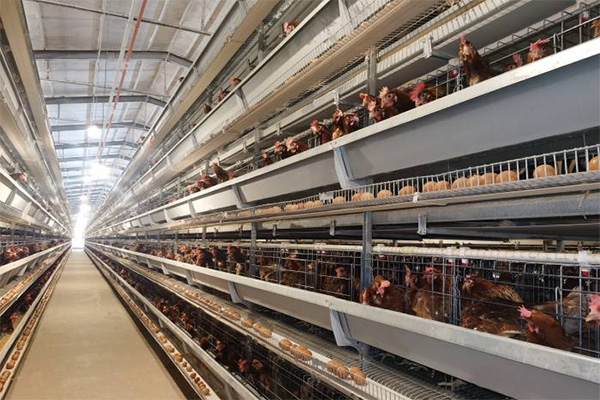
This kind of automatic layer cage system in Tanzania helps reduce labor dependence, improve flock management, keep the poultry house cleaner, and support commercial-scale egg production with better consistency.
Why Tanzania Is Suitable for a 30000 Layer Farm Project
A layer poultry farming project in Tanzania has strong business potential because the local market continues to need reliable egg supply. Compared with small backyard farming, a professionally planned commercial farm offers several clear advantages:
First, it creates a stable and large-volume egg supply for local wholesalers, retailers, hotels, and food businesses.
Second, large-scale farming makes it easier to control feed management, flock health, and daily production records.
Third, automated systems reduce operating pressure and help farm owners manage more birds with fewer workers.
For investors who want to move from traditional farming to industrial production, a commercial layer farm project in Tanzania with 30,000 birds is often the ideal mid-to-large entry point. It is large enough to create real market impact, while still being manageable with the right design.
Real Case Reference: 30000 Layers Commercial Farm Solution in Tanzania
In one typical commercial layer farm project in Tanzania, the customer planned to build a modern egg production unit for 30,000 laying hens. The goal was clear: create a clean, efficient, and scalable poultry farm that could meet local egg demand while reducing labor and long-term operating costs.
Based on the farm size and management target, the project solution included:
1. Steel Structure Poultry House
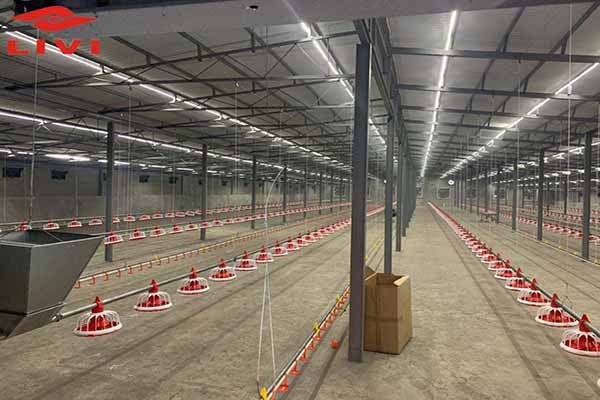
The poultry house used a steel structure design, which is suitable for faster installation and long service life. Compared with traditional construction methods, steel structure buildings offer better standardization and easier expansion for future farm growth.
2. Automatic Layer Cage System
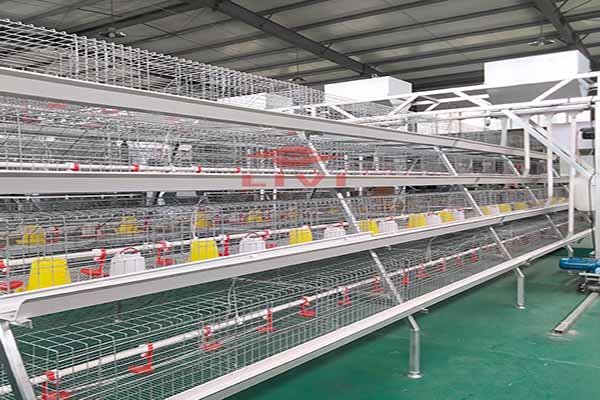
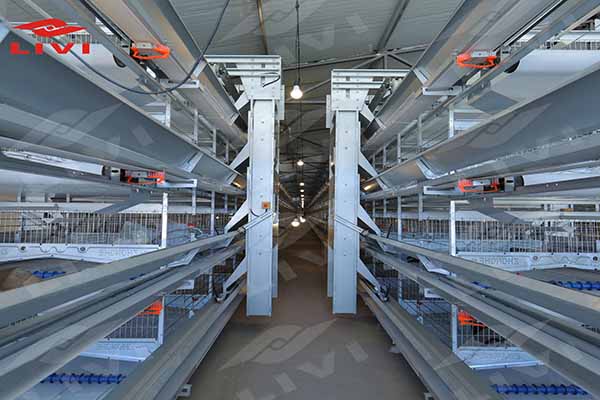
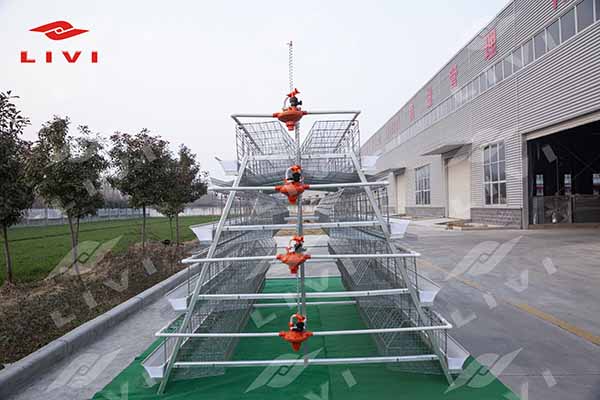
The project used a modern battery cage system for 30000 layers designed for commercial production. The cage layout improved space utilization and created better daily management conditions for feeding, manure removal, and egg collection.
3. Automatic Feeding System
Uniform feed distribution is essential in a 30,000-bird project. The automatic feeding line helped save labor time, reduce feed waste, and support more consistent flock performance.
4. Automatic Manure Removal
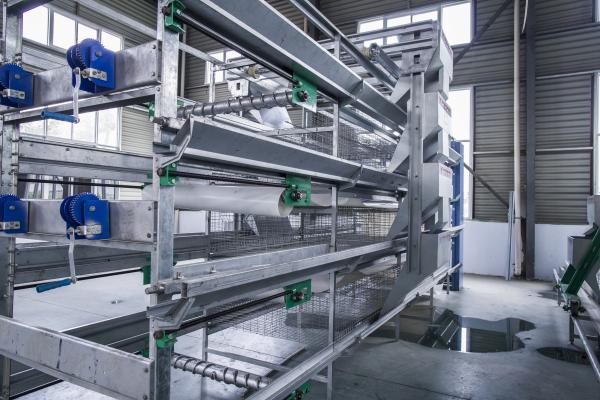
A clean house environment is critical for layer farming. Automatic manure cleaning helped improve hygiene inside the house and reduced the daily workload of workers.
5. Automatic Egg Collection
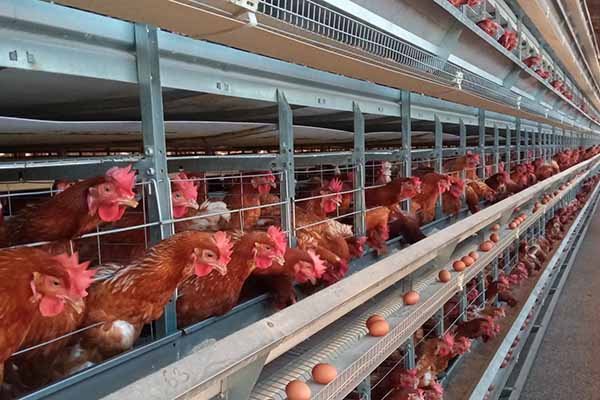
For a commercial egg farm setup in Tanzania, egg handling efficiency matters. Automatic egg collection reduced breakage risk, saved labor, and improved overall collection speed.
6. Ventilation and Environmental Support
Proper airflow and house temperature management are especially important in warm regions. A good ventilation design helps maintain bird comfort, reduces stress, and supports more stable egg production.
This type of automatic poultry equipment for layers allows the customer to manage production in a more standardized way and build a farm that is suitable for long-term commercial operation.
Why Automatic Equipment Is Better for a Commercial Egg Farm Setup in Tanzania
When farmers compare manual systems with automated solutions, the difference becomes clear over time.
A manual farm may require more workers, more daily supervision, and more physical effort in feeding, manure cleaning, and egg collection. As farm size increases, inefficiencies also increase.
An automatic layer cage system in Tanzania offers important advantages:
- Better use of building space
- Lower labor requirement per bird
- Cleaner poultry house condition
- More efficient egg collection
- More standardized feeding management
- Easier daily farm operation
- Better foundation for farm expansion
For a 30000 layer farm in Tanzania, automation is not just a convenience. It is a practical investment in farm efficiency, production stability, and business growth.
Suggested Configuration for a 30000 Layer Farm in Tanzania
Below is a simple reference table for a commercial layer farm project in Tanzania.
| Item | Suggested Solution |
|---|---|
| Farm Capacity | 30,000 laying hens |
| House Type | Steel structure poultry house |
| Cage Type | Automatic layer battery cage system |
| Feeding | Automatic feeding line |
| Manure Removal | Automatic manure cleaning system |
| Egg Collection | Automatic egg collection system |
| Ventilation | Fans and airflow management system |
| Farm Goal | Commercial egg production and labor saving |
This structure is suitable for investors who want a reliable layer farm investment in Tanzania with clear commercial value.
What Farmers Usually Care About Most
Before starting a commercial layer farm project in Tanzania, most customers focus on the following questions:
How much space is needed for 30000 layers
This depends on the cage type, house layout, and automation level. A professional supplier can provide a customized design based on your land size and production target.
Is automatic equipment worth the investment
For medium and large poultry farms, the answer is usually yes. Automation improves management efficiency and reduces long-term labor pressure.
Can the project be expanded later
Yes. A well-designed poultry house project in Tanzania can reserve room for future expansion, additional houses, or more automation modules.
What affects egg production most
Good cage design, feeding consistency, ventilation, flock management, and disease control all directly affect egg output and farm profitability.
FAQ About Commercial Layer Farm Projects in Tanzania
1. What is the best system for a commercial layer farm project in Tanzania?
A complete automatic layer cage system with a steel structure poultry house is one of the best solutions for commercial-scale egg production.
2. Is 30000 layers a good farm size for investment?
Yes. A 30000 layer farm in Tanzania is a strong commercial scale because it can supply a large number of eggs while remaining manageable with the right equipment.
3. Why choose automatic poultry equipment for layers?
Automatic systems save labor, improve farm cleanliness, reduce egg breakage, and make large-scale management easier.
4. Can a poultry house project in Tanzania be customized?
Yes. Poultry house size, cage layout, automation level, and ventilation design can all be customized according to land conditions and budget.
5. What should be included in a complete layer poultry farming project in Tanzania?
A complete solution should include poultry house design, cage equipment, feeding system, manure removal, egg collection, ventilation, and installation guidance.
Conclusion
A successful commercial layer farm project in Tanzania is built on the right combination of farm design and equipment selection. For a 30,000-bird operation, a complete automatic system offers clear advantages in labor saving, cleanliness, egg handling efficiency, and long-term farm management.
If you are planning a commercial egg farm setup in Tanzania, choosing the right equipment supplier is an important first step. A professional solution can help you build a farm that is easier to manage today and easier to expand tomorrow.
Want to start your own 30000 layer farm in Tanzania?
Leave a message on our website to get a free poultry farm design plan, equipment recommendation, and project quotation for your farm.