


Summary: Choosing the right battery cage system in poultry is critical for Ugandan 50,000-layer farm profitability. Our guide details key selection factors for a 50,000-bird layer operation, focusing on durability and feed efficiency. Implement a robust system to maximize egg production, bird welfare, and long-term ROI for your commercial poultry farm in Uganda.
The Critical Role of a Battery Cage System in Poultry for Ugandan 50,000-Layer Farm Success
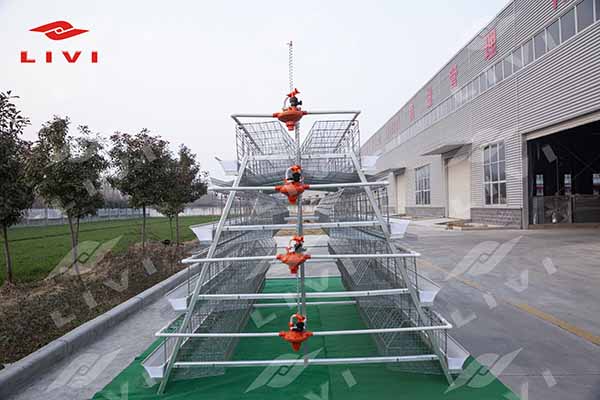
For Ugandan poultry farms targeting the 50,000-layer scale, achieving consistent profitability hinges on maximizing space and operational control. Implementing a modern battery cage system in poultry is the foundational step, transforming a large-scale operation from a logistical challenge into a streamlined, cost-effective enterprise.
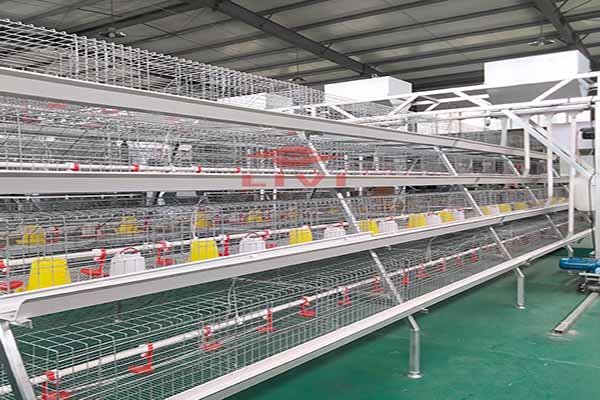
The primary advantage lies in superior space utilization and bird management. A well-designed system allows a farm to house its entire flock in a controlled environment, which is critical for disease prevention and uniform feeding.
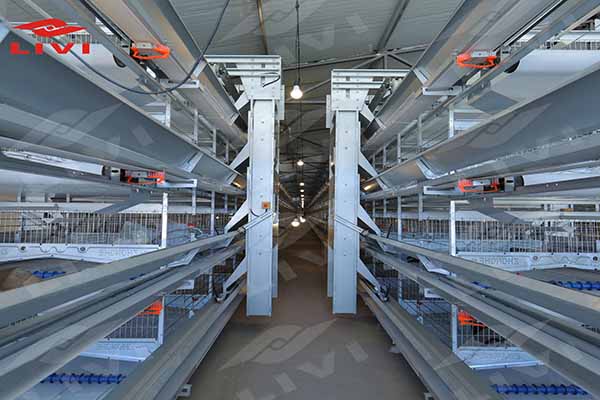
- Maximized Land Use: Housing 50,000 birds in a multi-tiered battery cage system requires significantly less land than deep-litter systems.
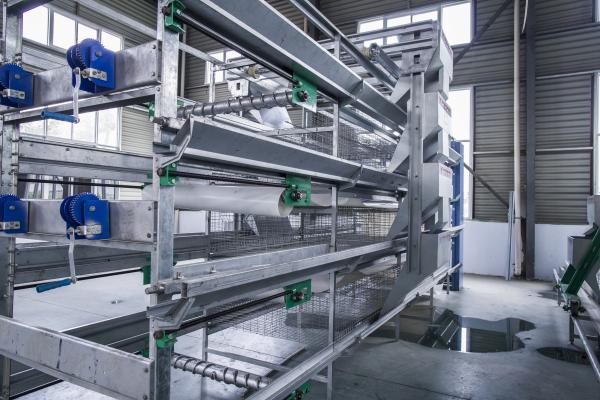
- Enhanced Production Efficiency: Automated feeding, watering, and egg collection reduce labor costs by up to 50% and minimize egg breakage.
- Improved Bird Health: Separation from manure reduces parasite load and disease transmission, leading to better flock uniformity and higher peak production rates.
Consider the results from a comparable Ugandan operation:
| Metric | Before System Upgrade | After Battery Cage Implementation |
|---|---|---|
| Farm Size | 10,000-50,000 layers | 10,000-50,000 layers |
| Key Outcome | High labor costs, variable egg quality | Improved production efficiency, reduced operational costs by ~30% |
For a farm of this magnitude, the transition requires careful planning. The process typically involves:
- Conducting a site assessment to determine the optimal building layout and cage type.
- Selecting equipment with the correct capacity and durable, galvanized construction for the local climate.
- Phasing in installation to minimize disruption to ongoing production.
Ultimately, the strategic adoption of a battery cage system is not merely an equipment purchase but a critical investment in operational precision. We specialize in turnkey solutions for the East African market, providing custom-designed cages with local technical support to ensure your project’s success. Request a detailed 50,000-layer farm layout and ROI analysis for Uganda.
Evaluating Battery Cage System Durability and Construction for Long-Term Ugandan Farm Viability
This section examines the critical factors that determine the longevity and structural integrity of a Battery Cage System in Poultry, focusing on material choices and construction practices that withstand Uganda’s specific environmental and economic conditions for sustainable farm investment.
- Material: Opt for cages made from hot-dip galvanized steel wire (minimum 2.5mm thickness), not merely painted or electroplated.
- Coating: A zinc coating of 60-80 g/m² provides a service life of 10-15 years, resisting rust from ammonia and moisture.
- Frame: Heavy-duty rectangular tubing (40mm x 60mm) ensures stability, crucial for multi-tier systems common in space-conscious Ugandan farms.
Proper construction and design directly impact operational viability and bird welfare. Key considerations include:
- Welding Integrity: All joints must be continuously welded, not spot-welded, to prevent collapse under load.
- Floor Slope: A precise 8-10 degree slope ensures eggs roll away efficiently, reducing breakage to below 2%.
- Door Mechanism: Heavy-duty, self-locking feeders and doors prevent feed waste and bird escape, addressing common local farm challenges.
For Ugandan farmers, the upfront investment in a robust system pays long-term dividends through reduced replacement costs and consistent production. We specialize in cages engineered for the regional climate, using premium-grade steel for maximum durability. To receive a customized cost-benefit analysis for your farm scale, contact our Kampala office for a detailed consultation.
Prioritizing Feed Efficiency and Bird Welfare in Your Battery Cage System Selection
Selecting the right housing is a critical operational decision that directly impacts your bottom line and flock health. For Ugandan poultry farmers, a well-chosen Battery cage system in Poultry must balance economic feed conversion with high standards of animal welfare to ensure long-term sustainability and market compliance.
- Adjustable feed lines that deliver precise rations, reducing spillage by up to 15%
- Slanted cage floors that roll eggs away swiftly, preventing pecking and breakage
- Optimized bird density per cage unit to reduce stress-induced overconsumption
Concurrently, bird welfare is non-negotiable for productivity and ethical farming. Systems must provide adequate space, ventilation, and ease of management. Prioritize designs that incorporate:
- Sufficient perch and laying space per bird to meet recommended animal welfare guidelines.
- Robust manure removal systems to maintain hygiene and lower ammonia levels, reducing respiratory issues.
- Easy access points for daily health checks, vaccination, and swift bird handling without causing distress.
For Ugandan operations, the ideal system merges these principles. It should withstand local climate challenges while being serviced by available technical support. Evaluate suppliers who can provide a detailed cost-benefit analysis showing the projected improvement in feed conversion ratio (FCR) and hen-housed egg production over a 72-week cycle.
Ultimately, the most profitable investment is one that safeguards bird health while optimizing resource use. We offer cages designed for Uganda’s conditions, with reinforced galvanization for humidity resistance and layouts that maximize your existing shed space. Request a customized ROI projection and cage layout for your farm size today.

Implementing Your Robust Battery Cage System to Maximize Egg Production and ROI
Implementing a well-designed Battery Cage System in Poultry is a strategic investment for Ugandan farmers aiming to enhance productivity and financial returns. This section outlines practical steps for setup and management to ensure your system delivers on its potential.
Successful implementation begins with meticulous planning and installation. Key preparatory steps include:
- Conducting a site assessment for proper ventilation and waste management.
- Calculating the required capacity based on your flock size and expansion goals.
- Ensuring a reliable supply of feed, water, and power is integrated into the design.
- Bird Welfare & Health: Maintain optimal stocking density, typically 3-4 birds per cage unit, to reduce stress and disease transmission.
- Automated Systems: Utilize integrated nipple drinkers and feed troughs to ensure consistent nutrition and hydration, which can improve laying rates by 5-10%.
- Data Monitoring: Track key metrics like feed conversion ratio and daily egg collection to identify issues early.
For a Ugandan poultry operation, the return on investment hinges on maximizing efficiency and minimizing losses. A case study from a 5,000-bird farm in Wakiso District showed a 15% increase in egg production and a 20% reduction in feed waste within six months of installing a modern cage system. To achieve similar results, request a customized Battery Cage System in Poultry layout and ROI comparison for your specific farm size in Uganda.
A robust cage system directly translates to higher, more predictable profits through superior flock management. We provide durable, galvanized systems tailored to local conditions with on-site installation support. Contact our team for a detailed cost breakdown and project plan.
Securing Your Farm’s Future: Finalizing the Right Battery Cage System for Your 50,000-Layer Operation
Securing the right Battery Cage System in Poultry is a pivotal investment for a 50,000-layer farm in Uganda, impacting long-term productivity and profitability. This decision requires careful evaluation of several critical factors.
- Durability: Opt for hot-dip galvanized steel to withstand Uganda’s climate, ensuring a 15+ year lifespan.
- Layout & Automation: Choose between A-type or H-type systems based on your shed dimensions, and integrate automated feeding and egg collection to optimize labor.
- Bird Welfare & Output: Ensure the cage design meets recommended space allowances to support hen health and consistent egg production.
A well-chosen battery cage system directly enhances your bottom line. It improves feed conversion ratios, reduces disease incidence, and streamlines management for your large-scale operation.
Investing in a robust battery cage system secures your farm’s efficiency and growth. We provide customized designs for Ugandan conditions with local technical support. Contact us for a detailed 50,000-bird layout and ROI analysis.