


Starting a large-scale layer farming business capable of housing 200000+ laying hens is a major agricultural investment. Unlike small or medium poultry operations, high-capacity layer farms require systematic planning, professional equipment, and reliable long-term partners. Success is determined not only by bird management, but by the decisions made before the first chicken enters the house.
This article outlines what you need to prepare before launching a high-capacity layer farming project, with a particular focus on selecting a reliable and professional poultry equipment supplier—a decision that directly impacts productivity, operational stability, and return on investment.
1. Strategic Planning Before You Start
Large-scale poultry farming begins with a clear business strategy. Investors must define:
- Target production capacity and expansion plan
- Market positioning and egg sales channels
- Capital investment and financing structure
- Operational timeline and breakeven expectations
For a farm exceeding 200000 layers, detailed feasibility analysis is essential. Production efficiency, automation level, and biosecurity must be designed from the beginning rather than upgraded later. This is where professional technical input becomes invaluable.
If you are planning such a project, early consultation with an experienced poultry equipment supplier can significantly reduce future risks and hidden costs.
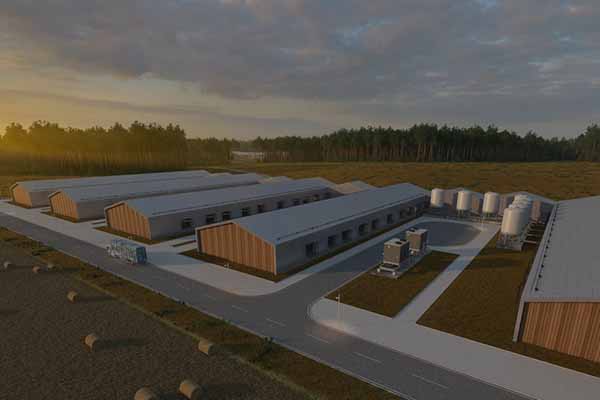
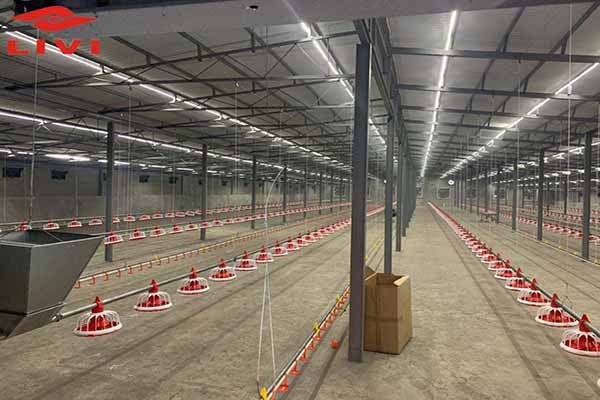
Start a Large Scale Layer Farming Business for 200000 Hens and Beyond
2. Farm Site Selection and Infrastructure Preparation
A suitable location is the foundation of large-scale farming success. The farm should have:
- Adequate distance from residential areas
- Reliable access to electricity and clean water
- Convenient transportation for feed and egg logistics
- Favorable climate and wind direction
For large-capacity farms, infrastructure planning must consider not only current needs but also future expansion. Poultry house orientation, ventilation design, and drainage systems should align with the chosen cage system and automation level.
Professional suppliers like Livi Machinery provide site layout consultation and poultry house design suggestions based on production scale and regional conditions.
3. Choosing the Right Poultry Housing System
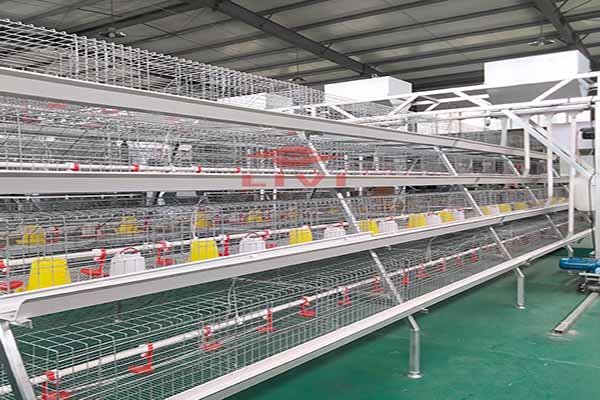
To accommodate 200000+ laying hens efficiently, traditional floor systems are no longer practical. High-density, automated poultry battery cage systems are the industry standard for large operations.
Key features to prioritize include:
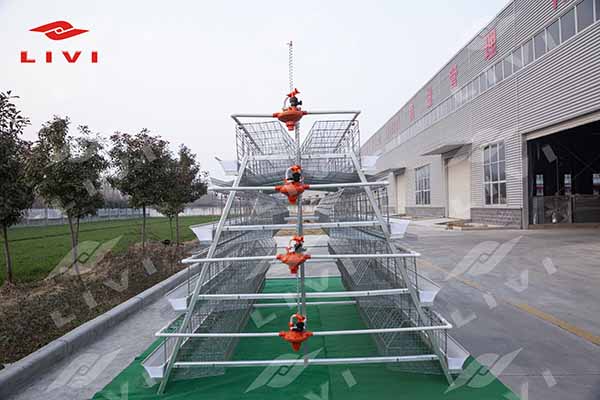
- High-quality galvanized steel cages
- Multi-tier cage structures to maximize space utilization
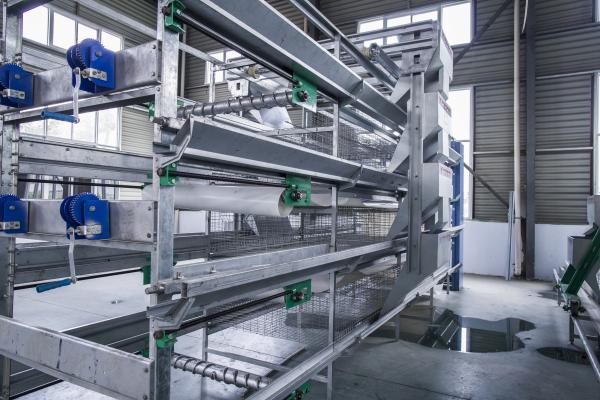
- Automatic feeding, drinking, egg collection, and manure removal
- Compatibility with environmental control systems
Choosing the wrong system or poor-quality equipment can result in higher mortality, lower egg production, and excessive maintenance costs. Therefore, equipment selection must be based on long-term performance, not just initial price.
4. Selecting a Reliable and Professional Poultry Equipment Supplier
For large-scale projects, the poultry equipment supplier is not merely a vendor—it is a long-term technical partner. This section deserves special attention, as supplier selection can determine the success or failure of the entire project.
Experience and Technical Capability
A qualified supplier must have extensive experience in large-capacity farms. Projects involving 200000+ layers require precise engineering, load calculations, and system integration. Livi Machinery has successfully delivered poultry equipment solutions for large commercial farms worldwide, including projects exceeding this scale.
Product Quality and Engineering Standards
High-capacity farms operate continuously. Equipment must withstand long-term use with minimal downtime. Livi Chicken Cage Equipment is manufactured using hot-dip galvanized materials, ensuring corrosion resistance and structural strength under intensive conditions.
Integrated Solutions and Custom Design
A professional supplier should offer more than cages alone. Livi Machinery provides complete solutions, including:
- Cage system design
- Automation integration
- Poultry house layout planning
- Capacity optimization
This integrated approach reduces coordination risks and ensures all systems operate in harmony.
Installation Support and Technical Training
Improper installation can compromise even the best equipment. Livi Machinery offers:
- On-site installation guidance or full installation service
- A free and detailed installation manual
- Operator training and commissioning support
This ensures that large-scale farms can be put into operation quickly and correctly.
After-Sales Service and Long-Term Support
Large-scale farms cannot afford extended downtime. Livi’s after-sales system includes remote technical support, spare parts supply, and long-term consultation. When choosing a supplier, reliable after-sales service is as important as product quality.
If you are planning a high-capacity layer project, working with an experienced supplier like Livi Machinery significantly reduces technical and operational risks while accelerating your path to stable production.
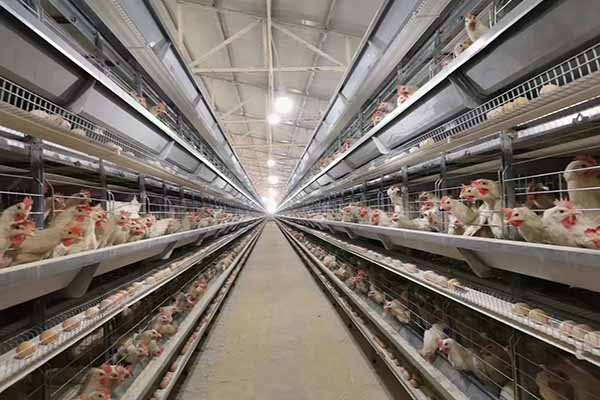
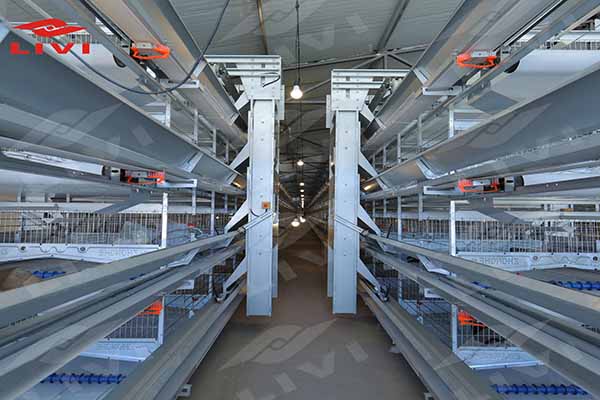
200000 Layers Battery Cage Systems
5. Automation and Labor Optimization
For a farm housing over 200000 hens, labor efficiency is critical. Automated systems dramatically reduce labor dependency and improve consistency. Core automation systems include:
- Automatic feeding systems
- Nipple drinking systems
- Manure removal systems
- Egg collection systems
With proper automation, a large farm can be managed by a relatively small, well-trained team, reducing long-term operational costs and improving biosecurity.
6. Biosecurity and Management Preparation
Large-scale poultry farming carries higher biosecurity risks. Before stocking birds, farms must establish:
- Strict access control procedures
- Disinfection protocols
- Vaccination and health monitoring plans
- Emergency response systems
Equipment design plays a major role in biosecurity. Well-designed cage systems simplify cleaning, reduce disease transmission, and support consistent management routines.
Frequently Asked Questions (FAQ)
Q1: How many poultry houses are needed for 200000 laying hens
A: This depends on cage tier configuration and house size. Most large farms use multiple houses with 3 to 4 tier cage systems to optimize management and biosecurity.
Q2: What is the recommended automation level for such a project
A: Full automation is strongly recommended. It reduces labor costs, improves consistency, and supports long-term scalability.
Q3: How long does it take to build and equip a large-scale layer farm
A: Depending on local conditions and project scale, the process typically takes 3 to 6 months from design to commissioning.
Q4: Why is supplier selection so critical for large-scale farming
A: Equipment quality, installation accuracy, and after-sales service directly affect production stability. A professional supplier like Livi Machinery minimizes operational risk.
Q5: Can the farm be expanded beyond 200000 hens in the future
A: Yes. Modular cage systems from Livi Machinery are designed to support phased expansion with minimal disruption.
Conclusion Start Strong Build for the Long Term
Launching a large-scale layer farming business for 200000+ hens is a complex but highly rewarding investment when executed correctly. Proper planning, suitable infrastructure, high-quality equipment, and professional technical support are essential.
Most importantly, choosing the right poultry equipment supplier sets the foundation for long-term success. Livi Machinery combines engineering expertise, proven product quality, and comprehensive service to support large-scale poultry investors worldwide.
If you are considering entering or expanding into large-capacity layer farming, now is the time to consult with Livi Machinery. A professional partner today will secure your production efficiency and profitability for years to come.