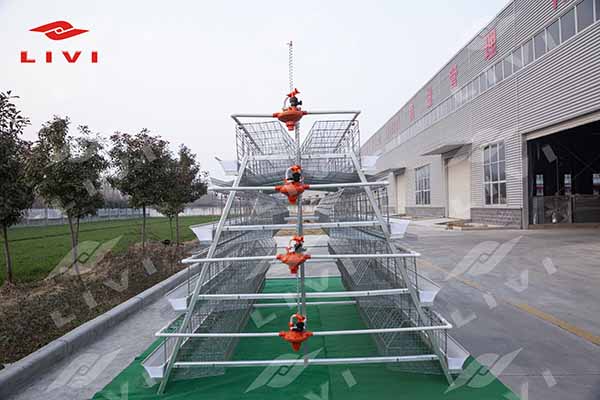



Summary: Explore the key features of an H Type poultry chicken cage system designed for large-scale Nigerian farms. This guide details how the system’s design maximizes space and efficiency for a 30,000-bird layer operation, leading to improved bird welfare and higher egg production yields.
Why the Right Poultry Chicken Cage System is Critical for Nigerian Farm Profitability
For Nigerian poultry farmers, selecting the correct housing infrastructure is a direct investment in operational efficiency and long-term financial health. This section details how a modern poultry chicken cage system addresses local challenges and transforms bird management into a more profitable venture.
- It drastically reduces bird loss from predators and disease transmission through separation and improved hygiene.
- It enables precise feed and water management, cutting waste by an estimated 15-30%—a major cost saver.
- The structured layout optimizes limited land, allowing for higher stocking density and better labor efficiency for routine monitoring.
The financial impact is clear and measurable. By improving feed conversion ratios and egg production rates, farmers can achieve a faster return on investment. For instance, a case study from a 5,000-bird farm in Oyo State reported a 22% increase in egg collection efficiency and a 18% reduction in monthly feed costs within six months of installing a modern cage system. This directly boosts net profit margins, which is essential for business sustainability and growth.
Ultimately, the right cage system is a cornerstone of a profitable Nigerian poultry operation. We provide robust, galvanized systems designed for the local climate and offer installation support. Contact us for a customized cost-benefit analysis tailored to your farm’s scale.
Evaluating H Type Cage Design for Maximum Space and Efficiency in a 30,000-Bird Operation
Evaluating an H Type poultry chicken cage system for a 30,000-bird operation requires a detailed analysis of its space optimization and operational efficiency. This section breaks down the key considerations to ensure your large-scale farm in Nigeria maximizes its potential.
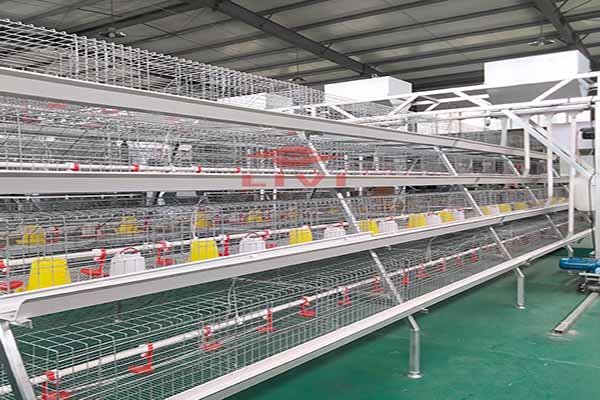
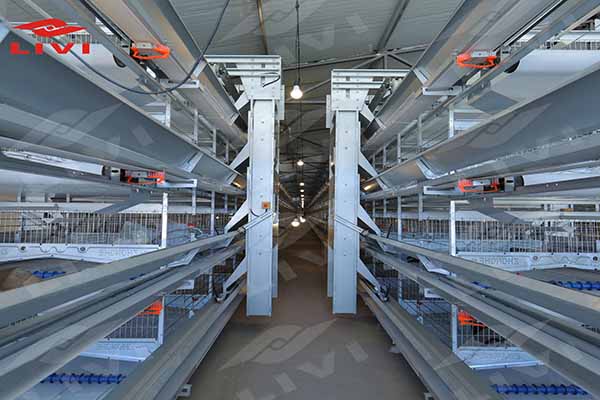
The primary advantage of the H Type design is its superior vertical integration, which dramatically increases bird capacity per square meter of floor space. For a 30,000-bird setup, this translates to a smaller building footprint, reducing construction costs and making efficient use of available land. The system’s central aisle allows for streamlined management, where feeding, watering, and egg collection are consolidated into a single, accessible walkway.
- Enhanced ventilation through its open structure, crucial for managing heat stress.
- Durable, corrosion-resistant materials to withstand local environmental conditions.
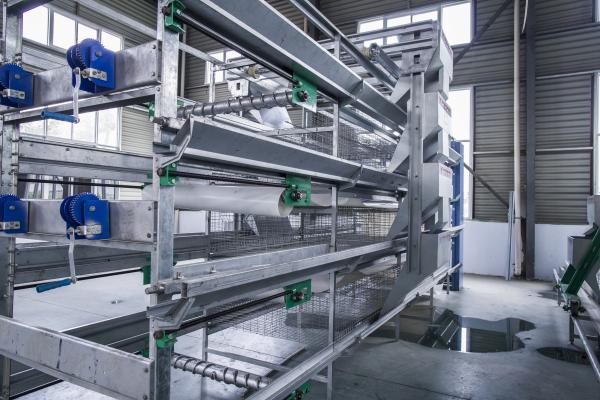
- Automated manure belts that run beneath each tier, maintaining hygiene and simplifying waste management.
To implement this system effectively, follow a structured planning sequence:
- Conduct a precise site assessment to determine the optimal building dimensions.
- Design the layout to integrate automated feeding and climate control systems from the start.
- Plan for phased installation to minimize operational disruption during setup.
Adopting an H Type cage system is a strategic investment for achieving high-density, efficient poultry production in Nigeria. We provide customized layouts and local technical support to ensure your 30,000-bird project’s success. Contact us for a detailed space-efficiency analysis and a project-specific cost breakdown.
How a Modern Poultry Chicken Cage System Directly Improves Bird Welfare and Egg Yields
This section explores the operational benefits of upgrading to a structured housing solution, detailing how a modern poultry chicken cage system poultry chicken cage system enhances both animal well-being and farm productivity for Nigerian producers.
- Reduced stress from overcrowding and pecking through defined individual bird space.
- Improved hygiene with manure dropping away from birds, cutting disease incidence by up to 40%.
- Consistent access to feed and clean water via integrated troughs and nipple drinkers.
These welfare improvements are intrinsically linked to higher, more consistent egg yields. The system enables precise management, leading to tangible results:
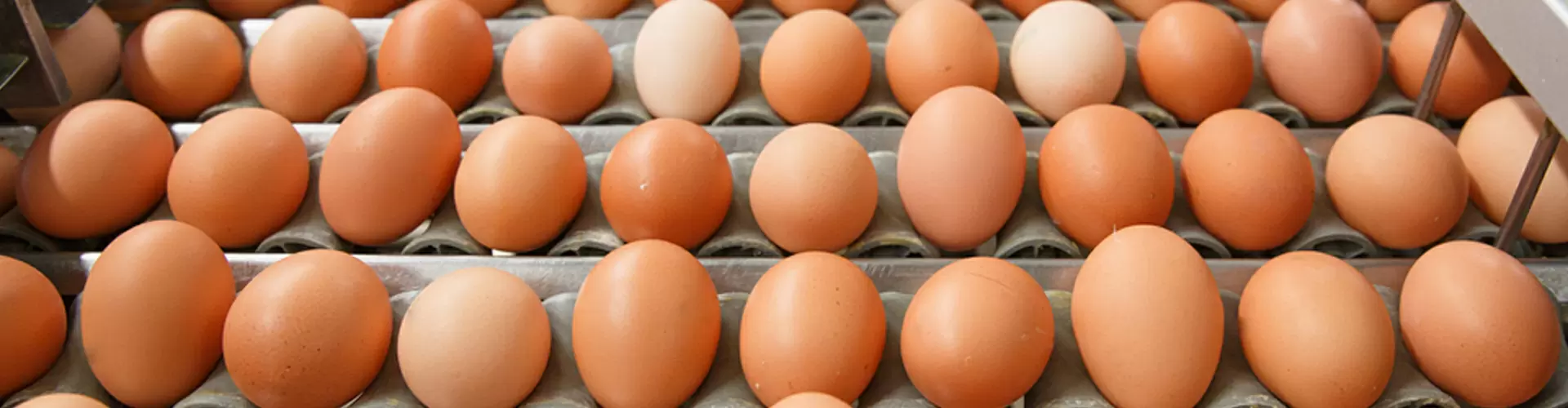
- Automated egg collection prevents breakage and keeps eggs clean, improving saleable yield.
- Efficient feeding systems reduce waste by approximately 15%, directly lowering feed costs.
- Healthier birds experience less mortality and can achieve peak lay rates for longer periods, with many farms reporting yield increases of 10-20%.
For Nigerian poultry farmers, this integrated approach means a direct boost to both ethical standards and profitability. We provide robust, hot-dip galvanized cages engineered for Nigeria’s climate, backed by local technical support. Contact us for a customized cost-benefit analysis and layout plan for your specific farm size.
Calculating Long-Term ROI: From Cage Investment to Higher Egg Production Yields
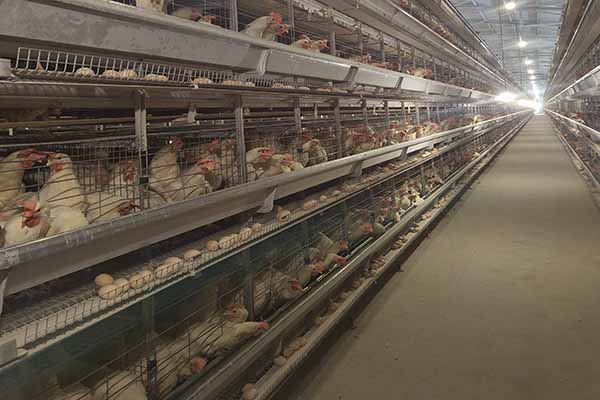
Understanding the long-term return on investment (ROI) for a poultry chicken cage system requires looking beyond the initial purchase price to its impact on operational efficiency and egg yield over many years. This analysis is crucial for Nigerian farmers aiming to scale their operations sustainably.
- Increased bird density and automated feeding/watering, raising per-square-meter egg production by 20-40%.
- Significant reduction in feed waste and labor costs, which are major expenses in traditional setups.
- Improved bird health and egg collection rates, leading to a higher percentage of saleable, high-quality eggs.
To calculate your specific ROI, follow these steps:
- Define Initial Investment: Total the cost of the cage system, delivery, and professional installation.
- Quantify Operational Savings: Calculate monthly reductions in feed, labor, and mortality losses.
- Project Revenue Increase: Estimate the added income from higher, more consistent egg yields.
- Analyze Payback Period: Divide the total investment by your net monthly gain (savings + increased revenue).
For instance, a commercial farm in Ogun State with 5,000 layers reported a 30% increase in egg collection efficiency and a 15% reduction in feed costs within the first year of installing an automated poultry chicken cage system, achieving full payback in under 28 months.
Investing in the right cage system is a strategic decision that pays dividends for over a decade. We provide durable, galvanized systems tailored for the Nigerian climate, backed by local technical support and financing guidance. [Contact us] for a personalized ROI projection based on your farm’s scale and location.
Implementing Your H Type Poultry Chicken Cage System: A Practical Guide for Nigerian Farms
Successfully implementing an H Type Poultry Chicken Cage System requires careful planning tailored to your farm’s specific needs and the Nigerian operating environment. This guide outlines the key practical steps for setup and operation.
- Small-scale: 5,000 to 10,000 birds
- Medium-scale: 10,000 to 50,000 birds
- Large-scale: 50,000+ birds
Next, focus on features that address local challenges. Key considerations for a successful installation are:
- Prioritize robust, corrosion-resistant materials to withstand humidity.
- Ensure the design incorporates excellent ventilation and natural light access.
- Opt for systems with automated feeding and watering lines to optimize labor.
- Plan for reliable manure removal to maintain hygiene and bird health.
Proper installation is crucial. Begin with a level concrete foundation. Follow the manufacturer’s assembly guide meticulously, often starting with the central aisle framework before adding tiered cage rows. Finally, conduct thorough checks of all automated systems before introducing your flock.
By following this structured approach, you can ensure your poultry operation runs efficiently. We provide heavy-duty cages designed for the Nigerian climate, backed by local technical support for assembly and maintenance. [Contact us] for a customized layout plan and ROI analysis for your farm size.
Securing Your Farm’s Future: The Next Steps for Your 30,000-Layer Operation
Scaling a 30,000-layer operation requires strategic investment in reliable infrastructure. This section outlines the critical next steps for securing your farm’s long-term productivity and profitability through modern equipment.
- Maximizing space efficiency to house more birds within your existing footprint.
- Automating feeding, watering, and egg collection to drastically reduce labor costs.
- Improving bird health and hygiene through controlled manure management.
To ensure a smooth transition, follow a structured implementation plan:
- Conduct a site assessment to determine the optimal cage layout and house modifications.
- Source equipment from a supplier with proven experience in large-scale installations.
- Plan for phased installation or bird transfer to minimize operational disruption.
A modern poultry chicken cage system is the foundation for a secure, efficient future. We provide custom-designed systems with local technical support for seamless integration. Contact us for a detailed 30,000-layer layout and ROI analysis tailored to your farm.