


Summary: Explore durable layer farm cages for sale engineered for large-scale operations in Ghana. Our heavy-duty systems are designed specifically for a 50,000-bird layer operation, enhancing productivity and bird welfare. Invest in reliable equipment that maximizes your farm’s efficiency and long-term profitability.
Why Durable Layer Farm Cages Are Critical for Large-Scale Success in Ghana
For large-scale poultry operations in Ghana, achieving consistent productivity hinges on investing in infrastructure that can withstand local conditions while maximizing bird welfare and operational efficiency. This section explores how robust housing directly impacts profitability and sustainability at scale.
- Resistance to corrosion from humidity and ammonia
- Structural integrity to handle high bird density safely
- Long service life, reducing long-term capital expenditure
- Addresses: High operational costs from constant maintenance and bird mortality.
- Key Advantage: Provides a stable, controlled environment that supports consistent egg production and bird health, leading to reliable supply for growing domestic and regional markets.
Ultimately, the right housing is a foundational investment. Durable Layer Farm Cages ensure your large-scale venture in Ghana is built on a platform of reliability, protecting your birds and your bottom line against local operational stresses. We provide hot-dip galvanized systems with a 15-year service life and on-ground technical support tailored to West African farms. [Contact us] for a customized ROI analysis and cage layout for your specific farm capacity.
Evaluating Durability and Construction for Long-Term 50,000-Bird Operations
For operations targeting a 50,000-bird capacity in Ghana, the durability and construction quality of your layer farm cages are non-negotiable for long-term profitability. This section examines the critical build features that ensure your investment withstands local conditions and delivers consistent performance over its full lifespan.
- Material: Opt for cages constructed from high-tensile, hot-dip galvanized steel wire (minimum 2.0mm thickness) to combat humidity and ammonia.
- Welding & Finish: Look for automated spot-welding for uniform strength and a smooth, zinc-coated finish to prevent rust and bird injury.
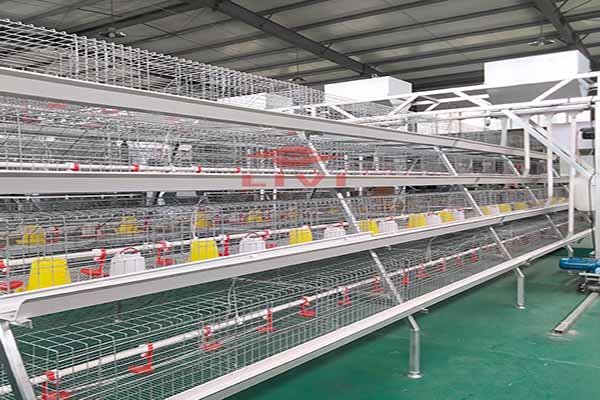
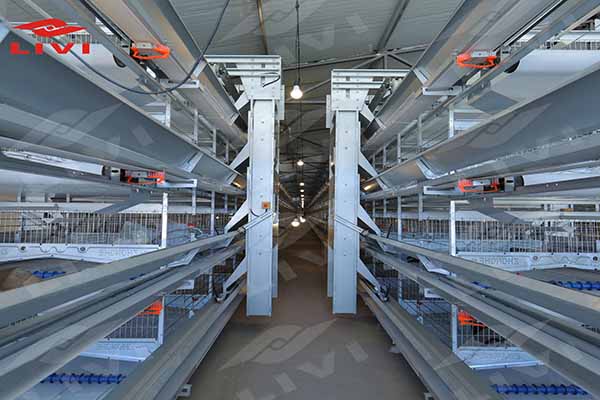
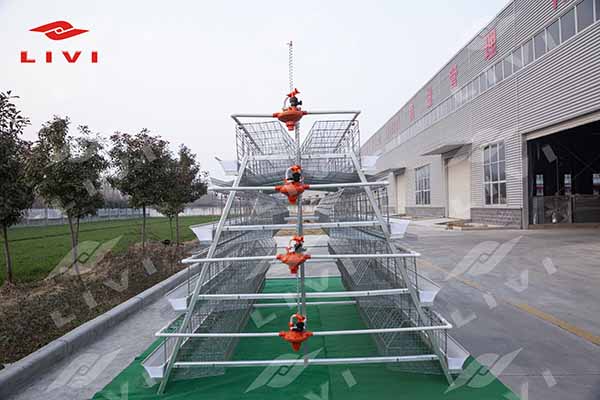
- Structural Design: A robust A型蛋鸡笼 design should include reinforced vertical supports and cross-bracing to handle the cumulative weight and activity of layers without sagging.
Beyond the cage unit itself, the integration of ancillary systems is vital for operational integrity. A well-constructed housing system prevents costly mid-cycle failures.
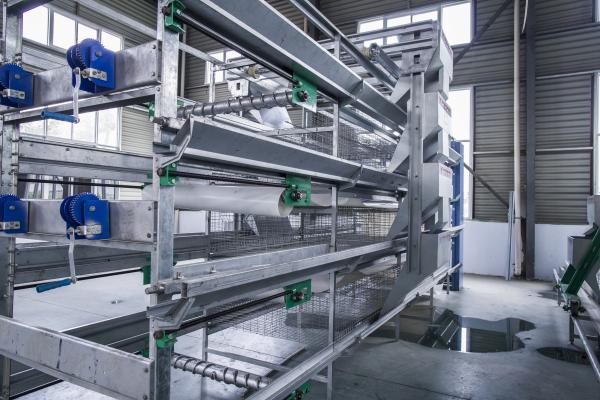
- First, evaluate the manure removal system; belt durability and drive mechanism reliability are paramount for maintaining hygiene.
- Second, assess the feed trough and egg collection rail construction, ensuring they align precisely with the Layer Farm Cages For Sale to minimize waste and egg damage.
- Finally, verify that all electrical and watering system attachment points on the cage are secure and designed for easy maintenance access.
Investing in superior construction translates directly to lower lifetime costs and higher bird welfare. We provide A-type layer farm cages for sale engineered with reinforced galvanized steel and local technical support for Ghanaian farms. Contact our team for a customized durability assessment and ROI projection for your 50,000-bird project.
Selecting Layer Farm Cages For Sale That Enhance Bird Welfare and Productivity
When sourcing Layer Farm Cages For Sale in Ghana, prioritizing designs that support both animal welfare and operational output is crucial for long-term farm viability. This section outlines key considerations for selecting the optimal A-type cage system to meet these dual objectives.
- Adequate space per bird, typically a minimum of 450-500 cm² per hen in A-type systems
- Sturdy, smooth wire construction to prevent injury
- Properly sloped flooring for comfortable standing and easy egg roll-out
- Sufficient headroom and ventilation to reduce heat stress, a critical factor in the local climate
To enhance productivity, focus on cages that streamline management and improve egg quality. Key steps in your selection process should be:
- Assess the galvanization quality; hot-dip galvanized steel offers superior rust resistance for longevity.
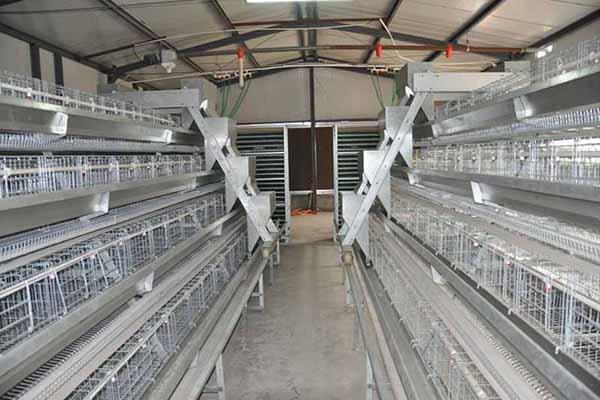
- Verify the automated system integration, such as manure removal belts and nipple drinker lines, to reduce labor.
- Calculate the stocking density against the cage footprint to maximize your building’s capacity efficiently.
For a practical perspective, consider the results from a 5,000-bird farm in Kumasi that upgraded to a modern A-type system. Their outcomes after one year included a 12% increase in egg production and a 15% reduction in feed waste due to improved trough design, demonstrating a clear return on investment.
Selecting the right layer cage system is a foundational decision for a profitable and sustainable farm. We provide A-type cages engineered for Ghana’s conditions, featuring enhanced ventilation designs and local technical support. Contact us for a customized layout and ROI analysis for your specific farm size.
Calculating ROI and Long-Term Profitability for Your Ghanaian Layer Farm
Understanding the financial return on your poultry equipment investment is crucial for sustainable growth in Ghana’s competitive market. This section breaks down the key factors that influence profitability when using modern Layer Farm Cages.
- Initial Capital: Cost of the Layer Farm Cages, housing, and installation.
- Recurring Savings: Reduced labor, lower feed waste, and minimized medication due to better bird health.
- Revenue Increase: Higher egg production rates and improved egg quality from a controlled environment.
A practical case study from a 5,000-bird farm in Kumasi shows the impact. After switching to an automated A-Type system, the farm recorded:
- A 15% reduction in monthly feed costs.
- Egg production increased by 12% within six months.
- The initial investment was recovered in under 2.5 years through these combined efficiencies.
Ultimately, the right cage system transforms a major capital outlay into a long-term asset. We provide durable, locally-supported A type layer systems designed for Ghanaian conditions to maximize your farm’s profitability. [Contact us] for a personalized ROI projection based on your farm’s scale.
Implementing and Maintaining Your 50,000-Bird Cage System in Ghana
Implementing a 50,000-Bird Cage System in Ghana requires careful planning for both installation and long-term operation. This section outlines the key steps and maintenance practices to ensure your Layer Farm Cages deliver optimal productivity and longevity.
The initial implementation phase is critical. Begin with a professional site assessment to ensure proper ventilation and structural support. Key steps include:
- Securing a reliable power and water supply for the automated systems.
- Preparing a level concrete foundation to support the A type layer cages structure.
- Following a systematic assembly sequence, typically starting with the main frame before installing the individual tiered units.
- Automated systems: Regularly check feed lines, nipple drinkers, and egg collection belts for blockages or wear.
- Manure removal: Ensure the scraper or belt system beneath the Layer Farm Cages operates smoothly to maintain hygiene.
- Structural integrity: Conduct monthly inspections for loose fasteners or corrosion, especially in Ghana’s humid climate.
Proper implementation and diligent upkeep of your A type layer cage system maximize your investment. We provide durable, locally adapted cage designs with on-site technical support for installation and training. Contact our Ghana team for a customized maintenance schedule and spare parts list.
Securing Your Farm’s Future: The Final Checklist for Investing in Durable Layer Cages
This section provides a final, actionable checklist to ensure your investment in Durable Layer Farm Cages delivers long-term productivity and protects your capital in Ghana’s demanding market.
- Material & Coating: Confirm hot-dip galvanized steel, not painted wire, to resist Ghana’s humidity.
- Structural Integrity: Check weld points and support beams for heavy-gauge construction.
- Local Compatibility: Ensure the A type layers cage design accommodates local bird breeds and available feed/water systems.
Follow this sequential investment process:
- Audit Supplier Credentials: Request and verify case studies from farms of similar scale in West Africa.
- Analyze Total Cost: Factor in shipping, customs clearance, and professional installation, not just unit price.
- Plan for Maintenance: Secure a spare parts list and confirm local technical support availability.
Investing in the right Durable Layer Farm Cages secures your farm’s profitability for over a decade. We provide A-type cages engineered for Ghana’s climate with verified local installation support. Contact us for a customized project quote and site layout plan.