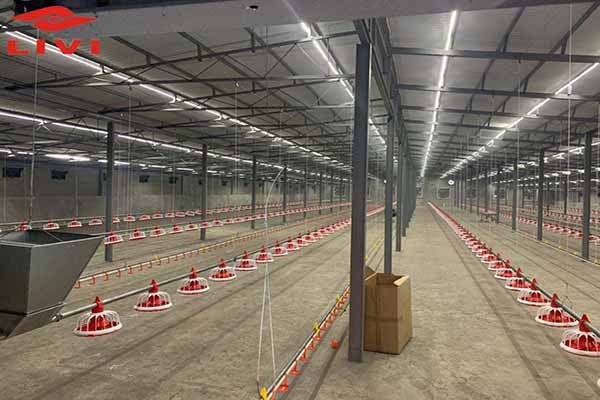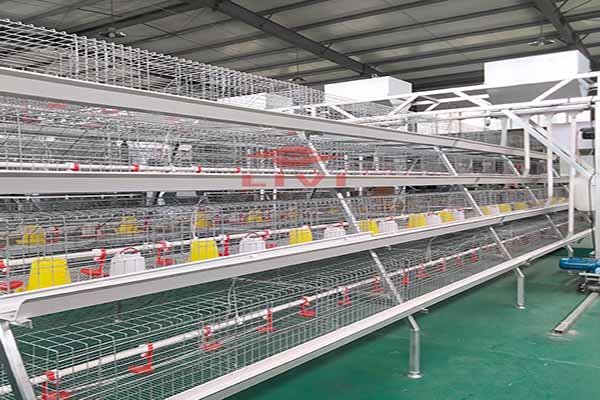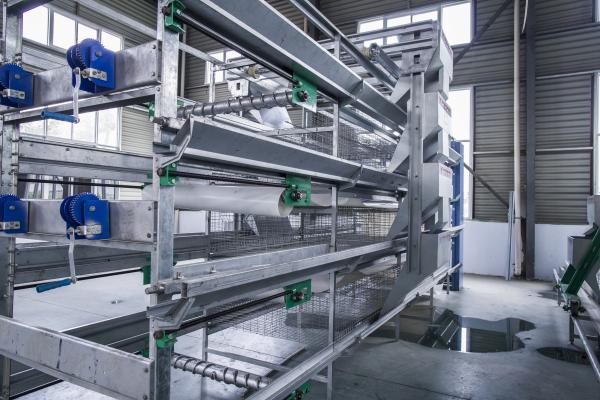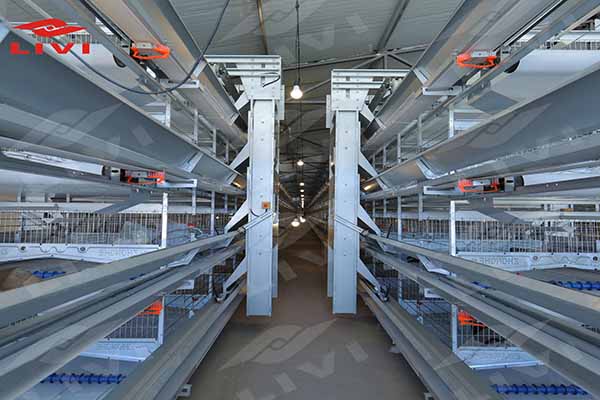



Summary: Explore the chicken battery cage system price for a 30,000-bird layer operation in Botswana. Our detailed analysis helps farm managers calculate investment costs and ROI, ensuring a scalable and efficient poultry cage system price structure for enhanced productivity and long-term profitability.
Understanding the Critical Role of Chicken Battery Cage System Price in Botswana’s Layer Farming
In Botswana’s commercial layer farming, the chicken battery cage system price is a pivotal factor influencing both initial investment and long-term profitability. This section explores how pricing interacts with local market conditions, equipment quality, and operational efficiency, helping farmers make informed purchasing decisions.
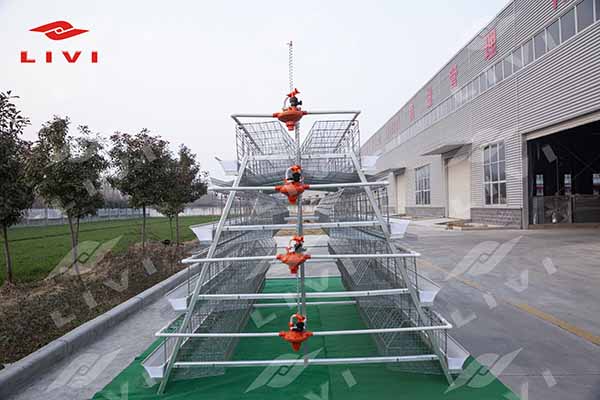
- Core cage units (A-type or H-type configurations)
- Automated feeding and drinking systems
- Manure removal belts or systems
- Egg collection rails or conveyors
Evaluating price against value is essential for sustainable operations. A higher initial investment in a robust system often yields a superior return. Key considerations for this assessment include:
- Durability: Hot-dip galvanized systems withstand Botswana’s climate for 15+ years, reducing replacement frequency.
- Labor Efficiency: Automated systems can cut daily labor requirements by up to 60%, a major saving.
- Bird Performance: Properly designed cages improve feed conversion ratios and can increase peak lay rates by 3-5%.
| Cost Factor | Lower-Price Import | Premium Quality System |
|---|---|---|
| Material & Coating | Electro-galvanized | Hot-Dip Galvanized |
| Expected Lifespan | 5-8 years | 15+ years |
| Local Support & Spares | Limited | Available |
Ultimately, the smartest investment balances upfront cost with lifetime value. A focus solely on the lowest Chicken Battery Cage System Price can lead to higher long-term expenses through frequent repairs and lower productivity. For a detailed cost-benefit analysis tailored to your farm’s scale in Botswana, request a customized ROI projection.
Evaluating Core Specifications for a Scalable 30,000-Bird Chicken Battery Cage System
Evaluating the core specifications for a scalable 30,000-bird poultry operation is crucial for ensuring long-term productivity and return on investment. This section breaks down the essential technical and design factors to consider when selecting a robust Chicken Battery Cage System that can grow with your enterprise.
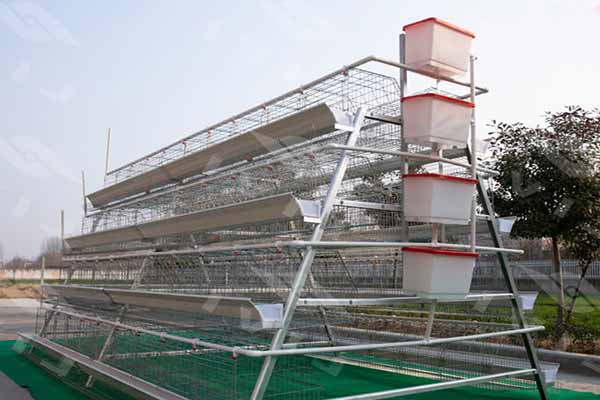
- Frame & Material: Heavy-duty, hot-dip galvanized steel is non-negotiable for corrosion resistance and a 15+ year lifespan.
- Tier Configuration: A 4-tier A-type or H-type cage design optimizes space while allowing for efficient manure removal systems beneath each level.
- Automation Readiness: The cage design must seamlessly integrate with automated feeding, drinking, and egg collection lines to manage 30,000 birds with minimal labor.
When planning for regional implementation, such as in Botswana, the chosen Chicken Battery Cage System must address local challenges. Critical adaptations include:
- Climate Resilience: Specifications must account for high temperatures, requiring enhanced ventilation systems and possibly cooling pads integrated into the cage house design.
- Durability & Supply: Given potential supply chain complexities, selecting a system with readily available spare parts locally or from reliable regional partners is essential.
- Scalability in Phases: A modular design allows a farm to start with a 10,000-bird unit and expand to the full 30,000-bird capacity systematically, managing capital outlay.
Ultimately, the right specifications balance durability, bird performance, and operational efficiency. By prioritizing a modular and automation-ready design, farmers can build a future-proof foundation. We provide custom-configured systems with local technical support for seamless scaling. Contact our team for a detailed 30,000-bird layout and ROI analysis tailored to your location.
Breaking Down the Total Investment for Your Chicken Battery Cage System Price
Understanding the total investment for a poultry farm in Botswana requires looking beyond the initial quote. This breakdown will help you budget effectively by examining all cost components that influence the final Chicken Battery cage system Price.
- Cage tier configuration (3-tier, 4-tier, or 5-tier)
- Material quality (galvanized steel versus painted wire)
- Level of automation (manual vs. automatic feeding)
Additional essential investments must be factored into your financial plan. These often-overlooked expenses are crucial for a functional operation.
- Site Preparation & Housing: This covers shed construction, ventilation systems, and electrical wiring, which are vital for Botswana’s climate.
- Bird Acquisition & Initial Feed: The cost of day-old chicks and starter feed until the first egg-laying cycle.
- Installation & Logistics: Includes professional assembly fees and transport costs for importing equipment, which can be substantial.
To illustrate, consider a projected budget for a 5,000-bird layer operation:
| Cost Component | Estimated Cost (BWP) | Percentage of Total |
|---|---|---|
| Cage System & Equipment | 150,000 | 65% |
| Shed Modification & Ventilation | 50,000 | 22% |
| Installation & Logistics | 30,000 | 13% |
| Total Initial Investment | 230,000 | 100% |
A clear cost breakdown empowers you to make an informed purchase and plan for operational success. We provide detailed, localized quotes for Botswana, including logistics support to manage import costs. Contact us for a customized financial projection based on your specific farm scale.
Calculating ROI and Long-Term Profitability from Your Cage System Investment
This section explores how to evaluate the financial return on your poultry cage investment, moving beyond the initial purchase to understand long-term value and operational efficiency in the Botswana market.
- Installation and potential site preparation costs
- Costs for ancillary equipment like feeders, drinkers, and ventilation
- Projected expenses for maintenance and spare parts over 5-10 years
These upfront and ongoing costs are then weighed against the tangible benefits a modern cage system delivers. Key profitability drivers include:
- Increased bird density and improved feed conversion ratios, directly boosting yield per square meter.
- Reduced labor requirements for feeding, egg collection, and manure management.
- Lower mortality rates and better bird health from controlled environments and hygiene.
For example, a farm in Gaborone with a 5,000-bird operation reported a 22% increase in egg production and a 15% reduction in labor costs within the first year after upgrading their system, significantly accelerating payback.
Ultimately, the right cage system is an asset that pays for itself. While the system price is a key figure, the true investment value lies in enhanced productivity, lower operational costs, and greater business resilience. To make a data-driven decision for your farm, request a customized ROI projection that compares local and imported options for your specific scale in Botswana.
Securing Your Investment: A Strategic Procurement Plan for Botswana
Developing a strategic procurement plan is essential for Botswana’s poultry farmers to protect their capital and ensure long-term profitability. This involves careful evaluation of equipment, suppliers, and total cost of ownership.
A successful plan begins with thorough market research. Key steps include:
- Identifying reputable suppliers with proven experience in the region.
- Comparing technical specifications and material quality, especially for a durable Chicken Battery Cage System.
- Analyzing logistical costs for importation and local installation support.
- Upfront investment for the Chicken Battery Cage System and ancillary equipment.
- Operational costs like feed, water, and energy efficiency.
- Potential return on investment based on improved bird productivity and reduced mortality.
By following a disciplined procurement strategy, you mitigate risk and build a foundation for a sustainable and competitive poultry operation in Botswana.