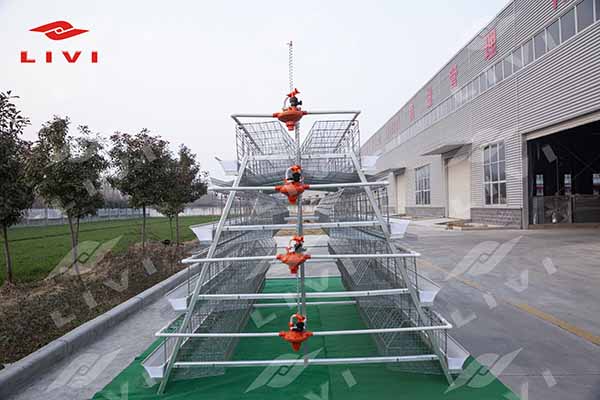



Summary: Get a detailed breakdown of battery cage system price for a 20,000-bird commercial operation in Ghana. Our guide helps you budget accurately, compare suppliers, and understand the investment for a modern poultry cage system to maximize space efficiency and flock management.
Understanding the Investment in a Battery Cage System for 20,000 Birds in Ghana
Investing in a Battery cage system for a 20,000-bird operation in Ghana requires a detailed financial and operational analysis. This section breaks down the key cost components and strategic considerations to help you plan this significant capital expenditure effectively.
- Cage Structure & Equipment: This includes the battery cage system itself, feeders, drinkers, and manure removal belts.
- Poultry House Construction: Costs for a suitable building with ventilation, insulation, and biosecurity features.
- Birds & Feed: The cost of 20,000 day-old chicks and the initial feed stock.
- Installation & Labor: Professional setup of the system and skilled labor for ongoing management.
A typical high-level budget estimate for a 20,000-bird setup in Ghana might look like the following:
| Cost Component | Estimated Range (GHS) | Notes |
|---|---|---|
| Cage System & Equipment | 200,000 – 350,000 | Varies by automation level and material quality |
| Poultry House | 150,000 – 250,000 | Depends on local material costs and size |
| Initial Stock & Feed | 80,000 – 120,000 | For day-old chicks and starter feed |
Beyond the initial outlay, the battery cage system offers operational efficiencies that improve long-term ROI. Key benefits include reduced feed waste, lower labor requirements for egg collection and cleaning, and better disease control through separation of birds. These factors directly enhance productivity and profitability in the Ghanaian market.To accurately assess this investment for your specific location, request a detailed cost breakdown and a customized 20,000-bird cage layout plan.
Breaking Down the Battery Cage System Price for Accurate Budgeting
Breaking down the Battery Cage System Price is essential for Ghanaian poultry farmers to plan a viable investment. This section will analyze the key cost components and provide actionable budgeting steps.
- The cage units themselves, priced per tier and bird capacity
- Feeders, drinkers, and manure removal systems
- Structural support frames and installation labor
- Local transportation and import duties, which can add 15-25% to equipment costs
To budget accurately, follow this sequence:
- Calculate your required bird capacity (e.g., 5,000, 10,000 layers).
- Request detailed quotes from suppliers, ensuring they itemize all components.
- Factor in ancillary costs for power, water infrastructure, and a contingency fund of 10-15%.
| Cost Component | Approximate Share of Total | Key Consideration for Ghana |
|---|---|---|
| Cage Equipment | 60-70% | Prioritize durable, galvanized steel for longevity in humid climates. |
| Installation & Logistics | 20-30% | Local assembly support can significantly reduce final costs. |
| Contingency | 10-15% | Essential for managing currency fluctuation and unforeseen expenses. |
A clear breakdown transforms the battery cage system price from a daunting capital outlay into a manageable, planned investment. We provide transparent, itemized quotes and local technical support to ensure your budget aligns with a durable, high-performance setup. Contact us for a customized cost estimate based on your farm’s specific scale and location in Ghana.
Comparing Suppliers to Secure the Best Battery Cage System Value
To secure the best long-term investment for your poultry farm in Ghana, a thorough comparison of suppliers is essential. This involves evaluating not just the initial price, but the total value offered by different Battery Cage System providers, considering local support and product durability.
- Material quality and galvanization standards for corrosion resistance
- Compliance with local agricultural guidelines
- Availability of spare parts and technical support within Ghana
- Supplier’s track record and client references, especially for farms of similar scale
A structured comparison helps visualize differences. Consider creating a table like this for your top three contenders:
| Supplier Aspect | Supplier A | Supplier B |
|---|---|---|
| Cage System Warranty | 5 years | 10 years |
| Local Installation Team | Yes | No |
| After-Sales Service Response | 24-48 hours | 1 week |
Finally, calculate the total cost of ownership. A cheaper imported Battery Cage System may lack local support, leading to higher long-term costs from downtime. Prioritize suppliers who offer robust local partnerships and training.We help Ghanaian farmers maximize ROI with durable systems backed by our in-country service network. Contact us for a personalized cage system value comparison report.
Maximizing Space Efficiency and Flock Management with a Modern System
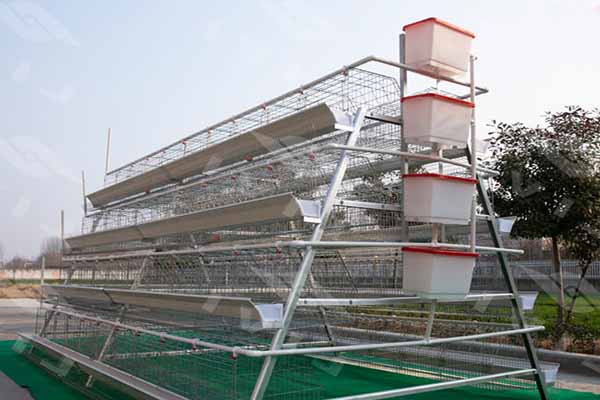
For Ghanaian poultry farmers facing rising land costs and labor challenges, a modern Battery Cage System is a strategic investment that directly tackles space constraints while streamlining daily flock management. This approach allows operations to scale vertically, not just horizontally, making the most of every square meter.
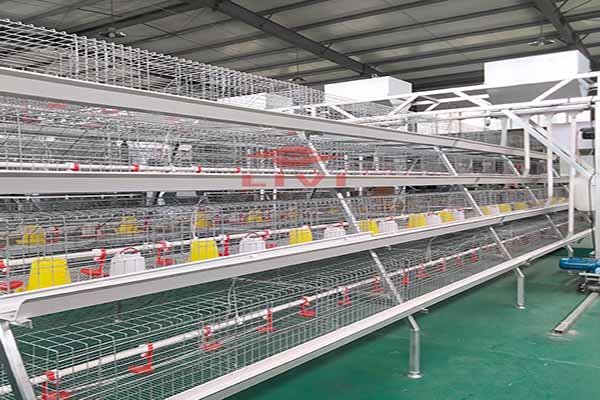
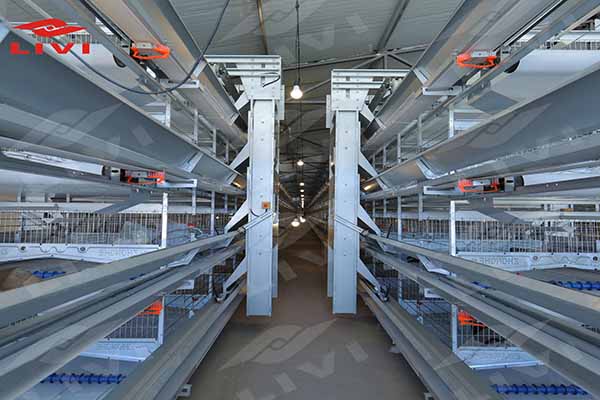
The core advantage lies in its space-efficient design. By stacking cages vertically, a modern battery cage system can house significantly more birds on the same footprint compared to traditional floor rearing. For example, a single-tier setup might hold 5 birds per square meter, while a modern 3-tier system can increase that density to 15 or more, effectively tripling capacity without expanding the farm’s physical boundaries.
- Precise feed and water delivery to each cage row, reducing waste by up to 15%
- Efficient egg collection via sloped cage floors and collection belts
- Simplified manure removal through integrated dropping boards
- Easy monitoring of bird health and uniform growth
Implementing such a system involves a clear sequence:
- Assess your available shed dimensions and target flock size.
- Choose a tier configuration (3-tier, 4-tier, or 5-tier) that matches your height and management style.
- Integrate automated feeding, drinking, and manure belts for maximum labor savings.
- Establish a routine for daily inspection and system maintenance.
In summary, adopting a modern battery cage system is a proven method to overcome Ghana’s space and management hurdles. We provide robust, hot-dip galvanized systems with local technical support for seamless integration. Contact us for a customized space-efficiency layout plan for your farm.
Calculating Long-Term ROI for Your 20,000-Bird Poultry Operation
For poultry farmers in Ghana, calculating long-term return on investment (ROI) requires analyzing both initial capital and ongoing operational efficiency over a 5-10 year period. This section breaks down the key financial factors for a 20,000-bird operation, focusing on equipment lifespan, productivity, and cost savings.
- Poultry house construction and ventilation
- The complete battery cage system including feeders and drinkers
- Biosecurity infrastructure and waste management systems
Operational efficiency is where a well-designed system proves its value. A modern battery cage system enhances ROI by streamlining daily management and improving key performance indicators. Consider these ongoing factors:
- Feed Conversion Ratio (FCR): Efficient cage designs reduce feed wastage, directly lowering your largest recurring cost.
- Labor Productivity: Automated systems for feeding, watering, and egg collection can reduce required manpower by up to 30%, saving on long-term salary expenses.
- Bird Health & Mortality: Superior hygiene control in a managed cage environment can reduce disease incidence and mortality rates, protecting your flock’s output.
To translate this into a real-world projection, compare the five-year cost structure of two scenarios for a farm in Kumasi.
| Cost Category | Basic System | Modern Battery Cage System |
|---|---|---|
| Initial Investment | GHS 350,000 | GHS 500,000 |
| Annual Feed Cost | GHS 1,200,000 | GHS 1,140,000 (5% savings) |
| Annual Labor Cost | GHS 96,000 | GHS 67,000 |
| 5-Year Total | GHS 6,230,000 | GHS 5,935,000 |
The right equipment secures your farm’s profitability for over a decade. We provide Ghana-specific ROI models and cages built with high-grade galvanized steel for maximum longevity in local conditions. Contact our Accra team for a detailed 20,000-bird financial projection.
Your Next Steps to Acquiring a Profitable Battery Cage System in Ghana
This section outlines a practical roadmap for Ghanaian farmers to invest in a modern, high-return poultry housing solution. Following these steps will help you secure a system that boosts productivity and profitability.
- Flock size and projected growth
- Available land and infrastructure
- Local climate and ventilation needs
Next, focus on sourcing and procurement. We recommend:
- Research Reputable Suppliers: Prioritize companies with proven experience in the Ghanaian market.
- Evaluate Product Quality: Inspect material (e.g., galvanized steel), automation features, and after-sales support.
- Analyze Total Cost: Factor in delivery, installation, and long-term maintenance, not just the initial cage price.
A well-chosen Battery Cage System maximizes bird welfare and egg production, leading to faster ROI. To move forward, request a customized project quote and layout for your farm size.
Implementing a modern cage system is a decisive step toward greater farm efficiency and income. We provide durable, locally-supported installations designed for Ghana’s conditions. Contact us for a detailed proposal and site assessment.