


Starting a large-scale egg production business in Uganda is a high-potential opportunity, but success depends heavily on choosing the right housing system. Among modern poultry solutions, the battery cage system in poultry has become the preferred option for farmers aiming to maximize efficiency, productivity, and profitability.
If you are planning to raise 50,000 laying hens in Uganda, this guide will walk you through everything you need to know—from system selection to cost control—based on real customer concerns and field-proven practices.
Why Choose a Battery Cage System in Poultry Farming?
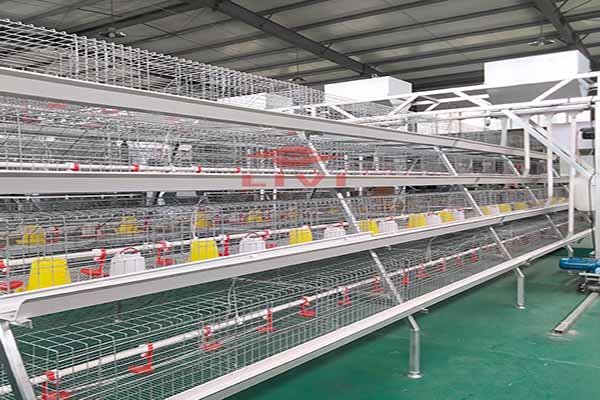
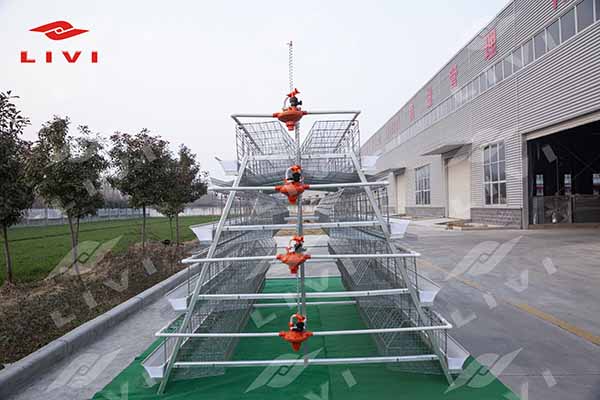
A battery cage system for layers is a structured housing solution designed to optimize space, improve egg collection, and reduce labor costs. Compared to traditional deep litter systems, it offers clear operational advantages.
Key Benefits for Ugandan Farmers
- Higher Stocking Density: Raise more chickens in limited land space
- Improved Egg Production Rate: Cleaner environment reduces disease stress
- Labor Efficiency: Automated feeding and watering systems reduce manpower
- Better Waste Management: Manure removal systems improve hygiene
- Reduced Feed Waste: Controlled feeding increases feed conversion efficiency
For a 50,000-layer farm, these advantages directly translate into faster ROI and lower operational risks.
Types of Battery Cage Systems Available
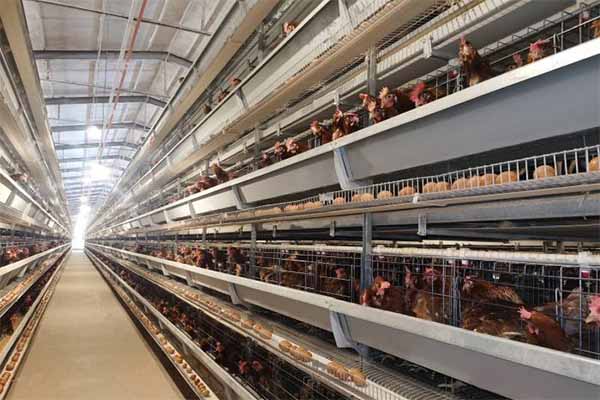
When selecting a poultry battery cage system in Uganda, farmers typically choose between two main configurations:
1. A-Type Layer Cage System
- Suitable for small to medium-scale farms
- Lower initial investment
- Semi-automatic options available
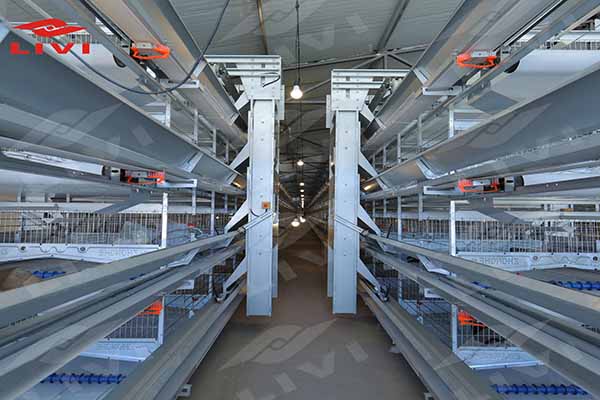
2. H-Type Layer Cage System
- Ideal for large-scale farms (like 50,000 birds)
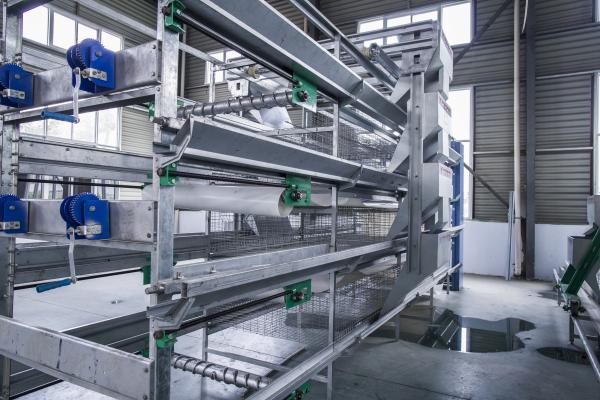
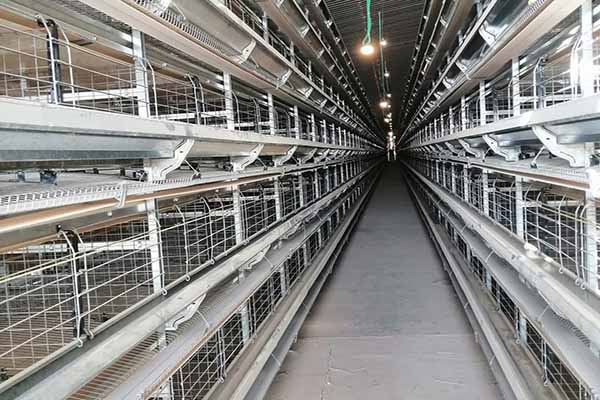
- Fully automated (feeding, egg collection, manure removal)
- Higher efficiency and lower long-term labor cost
👉 For a 50,000-layer project, the H-type automatic layer cage system is strongly recommended due to scalability and labor savings.
Suggested Farm Design for 50,000 Layers
A well-planned layout is critical to ensure smooth operation and future expansion.
| Item | Specification |
|---|---|
| Farm Capacity | 50,000 Layers |
| Cage Type | H-Type Automatic System |
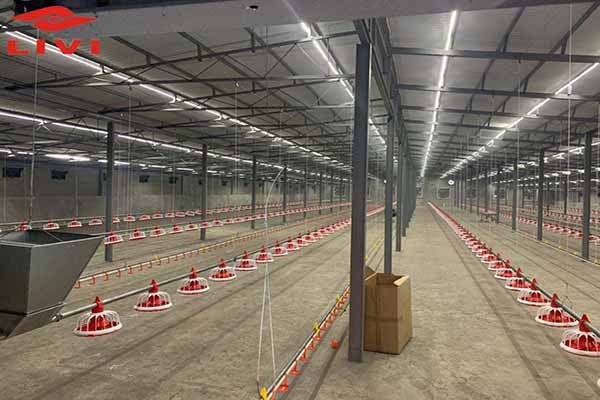
| Chicken House Quantity | 2–3 Houses |
| House Size (per unit) | Approx. 100m × 12m |
| Cage Rows per House | 4–5 Rows |
| Automation Level | Feeding, Drinking, Egg Collection |
| Ventilation System | Natural + Fans |
This setup balances investment cost and operational efficiency, especially under Uganda’s climate conditions.
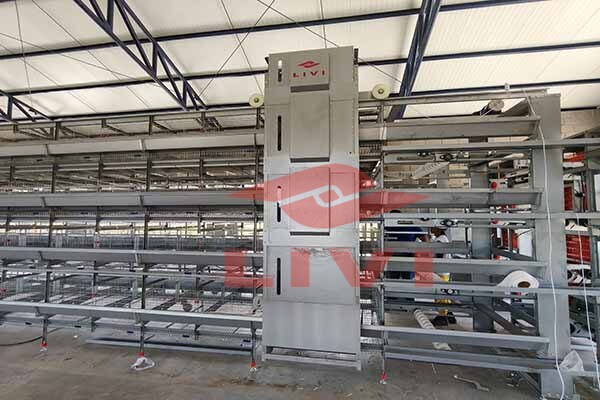
Key Equipment Included in the System
When investing in a battery cage system for poultry farming, you are not just buying cages—you are investing in a complete production system.
Core Components
- Layer Chicken Cages (galvanized steel for durability)
- Automatic Feeding System
- Nipple Drinking System
- Egg Collection System
- Manure Removal System
- Ventilation & Cooling Equipment
Each component plays a role in improving productivity and reducing manual workload.
Cost Considerations for Ugandan Farmers
While many farmers focus on the battery cage system price, it’s important to evaluate total investment value rather than just upfront cost.
Factors Affecting Price
- Cage type (A-type vs H-type)
- Level of automation
- Material quality (galvanized vs standard steel)
- Shipping and installation costs
- Farm size and customization
💡 Insight: A fully automated system may require higher initial investment but significantly reduces labor costs and increases long-term profitability.
Common Concerns from New Poultry Farmers
1. Is the battery cage system suitable for Uganda’s climate?
Yes. With proper ventilation and cooling systems, battery cages perform very well in Uganda’s tropical environment.
2. How many workers are needed?
For a 50,000-layer automated farm:
- Only 6–10 workers are typically required
- Compared to 20+ in traditional systems
3. What about disease control?
Battery cage systems reduce direct contact between birds, lowering the spread of diseases and improving overall flock health.
4. How long is the lifespan of the equipment?
High-quality cages (hot-dip galvanized) can last:
- 15–20 years with proper maintenance
Profitability Potential of a 50,000-Layer Farm
With proper management, a 50,000-layer farm in Uganda can achieve:
- Egg production rate: 90–95%
- Daily egg output: 45,000+ eggs
- Stable income from local egg demand
Uganda’s growing population and increasing demand for protein make egg farming a sustainable and profitable agribusiness.
How to Choose the Right Supplier
Selecting a reliable supplier is just as important as choosing the right system.
Look for:
- Proven project experience in Africa
- Custom farm design services
- Installation guidance
- After-sales technical support
- Competitive and transparent pricing
A professional supplier will not only sell equipment but also help you succeed in your poultry business.
Final Advice for New Investors
Starting a poultry farm with a battery cage system in poultry is a strategic move—especially at a 50,000-layer scale. The key is to plan carefully, invest in quality equipment, and work with experienced partners.
Ready to Start Your Poultry Farm in Uganda?
If you are planning to build a 50,000 layers poultry farm, we can help you with:
- Free farm design layout
- Equipment recommendations
- Detailed quotation
- Installation support
👉 Leave a message with your farm size and location, and get a customized poultry farming solution tailored to your needs.