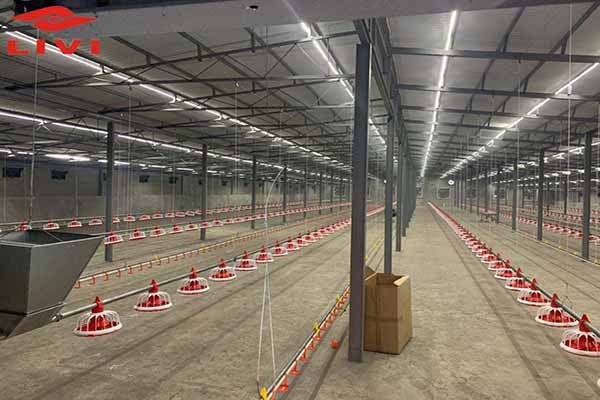



In Zimbabwe’s rapidly growing poultry sector, large-scale commercial egg production is becoming the cornerstone of food security and economic development. With rising domestic demand and government support for agricultural modernization, investing in a 100,000-bird fully automatic layer farm represents a high-return, future-proof opportunity. As a leading global supplier specializing in large-scale poultry equipment, we deliver turnkey automatic layer farm cage systems designed to maximize productivity, reduce operational costs, and ensure long-term profitability for Zimbabwean agribusinesses. This article details our tailored solution for a 5-house, 100,000-bird layer farm, highlighting technical specifications, operational benefits, and proven results in African markets.
1. Market Context: Why Zimbabwe Needs Large-Scale Automated Layer Farming
Zimbabwe’s poultry industry is undergoing a transformative shift from smallholder, manual operations to industrialized, technology-driven production. According to the Ministry of Lands, Agriculture, Fisheries, Water and Rural Development, the country’s egg demand is growing at 8–10% annually, driven by population growth, urbanization, and rising consumer purchasing power. However, traditional farming methods—characterized by manual feeding, labor-intensive egg collection, and poor environmental control—limit production capacity and efficiency. Average laying rates in Zimbabwe hover around 70%, far below the 85%+ benchmark of modern automated farms. Labor costs account for 30–40% of total operating expenses, and disease outbreaks due to unsanitary conditions cause annual losses of up to 15% of flocks.
For investors targeting large-scale production (100,000 birds+), automation is not just an option—it is a necessity. A fully automatic layer farm eliminates manual bottlenecks, ensures consistent production, and unlocks economies of scale. Our solutions are engineered to address Zimbabwe’s unique challenges: limited labor availability, variable power supply, and the need for durable, low-maintenance equipment. We have successfully implemented similar projects across Southern Africa, delivering systems that thrive in local climatic and operational conditions.
2. Project Overview: 5-House, 100,000-Bird Fully Automatic Layer Farm
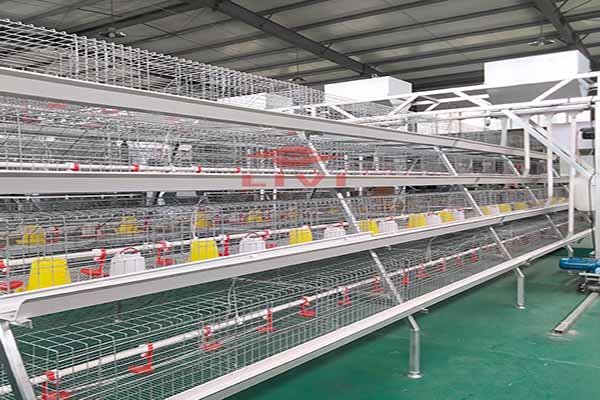
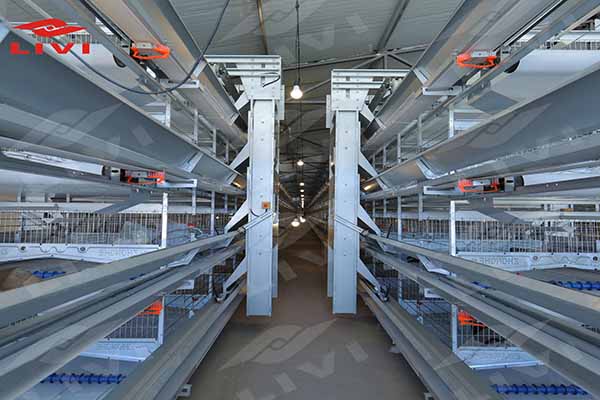
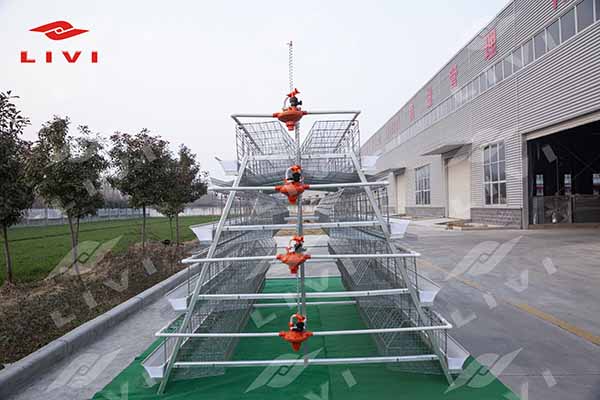
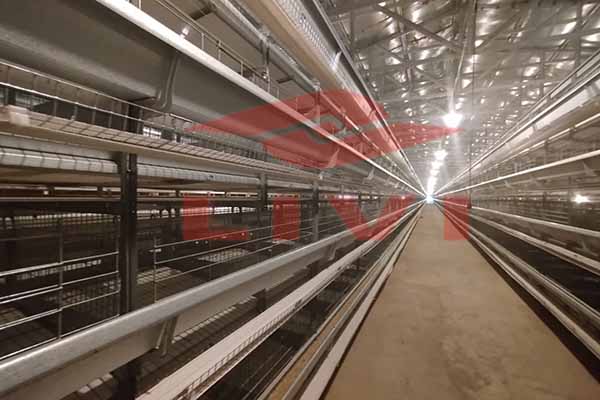
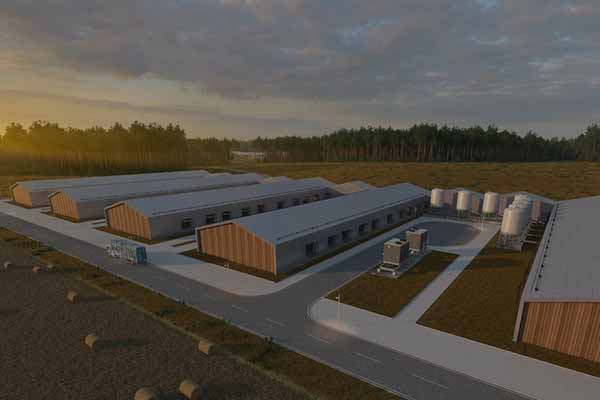
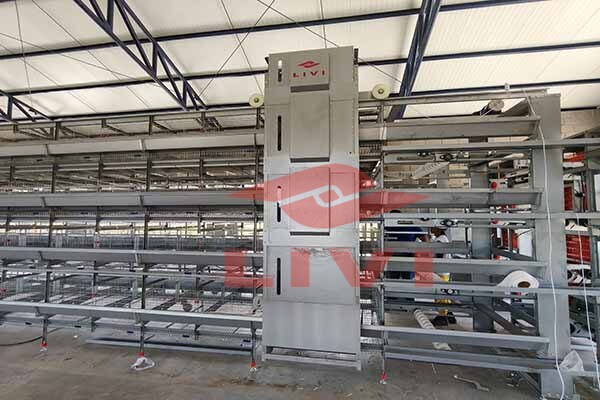
We propose a modular, 5-house automatic layer farm system with a total capacity of 100,000 laying hens (20,000 birds per house). This configuration balances production scalability, operational manageability, and land-use efficiency—critical for Zimbabwe’s commercial farming landscapes. Each house is equipped with our flagship H-type 4-tier automatic layer cage system, the industry standard for large-scale layer production due to its high density, superior airflow, and seamless automation integration.
Key Project Specifications
| Parameter | Details |
|---|---|
| Total Farm Capacity | 100,000 laying hens (commercial layers) |
| Number of Chicken Houses | 5 identical units |
| Birds Per House | 20,000 |
| Cage Type | H-type 4-tier automatic layer cage (hot-dip galvanized steel) |
| Automation Level | Fully integrated: feeding, drinking, egg collection, manure removal, climate control, and remote monitoring |
| Expected Laying Rate | 85–88% (peak production, week 22–72) |
| Daily Egg Production | ~85,000–88,000 eggs |
| Land Requirement | ~15,000 m² (including houses, feed silos, egg processing, and waste management) |
| Labor Requirement | 8–10 full-time staff (vs. 30+ for manual farms) |
This design is optimized for Zimbabwe’s agricultural infrastructure: it is generator-compatible for areas with unreliable grid power, uses locally serviceable components, and requires minimal specialized training for on-site staff.
3. Core System: Automatic Layer Farm Cage & Integrated Automation
Our automatic layer farm cage system is the heart of the operation, combining robust structural design with cutting-edge automation to deliver unmatched performance. Every component is precision-engineered for 100,000-bird scale, ensuring reliability and efficiency 24/7.
3.1 H-Type 4-Tier Automatic Layer Cage: Durability & Density
The H-type cage is the gold standard for large-scale layer farming, and our model is built to withstand Zimbabwe’s environmental conditions.
- Material & Construction: Hot-dip galvanized steel frame and mesh, offering 15–20 years of corrosion resistance—critical for Zimbabwe’s variable humidity and dust conditions. The cage structure is reinforced to support heavy loads and prevent deformation over time.
- Space Efficiency: 4-tier vertical design maximizes stocking density (12 birds/m² vs. 8 birds/m² for traditional cages), reducing land and construction costs by 30%. Each cage unit houses 60–80 hens, with individual feeding and drinking spaces to ensure animal welfare and uniform growth.
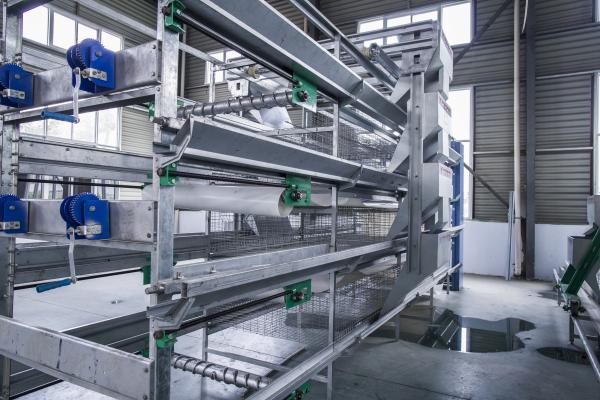
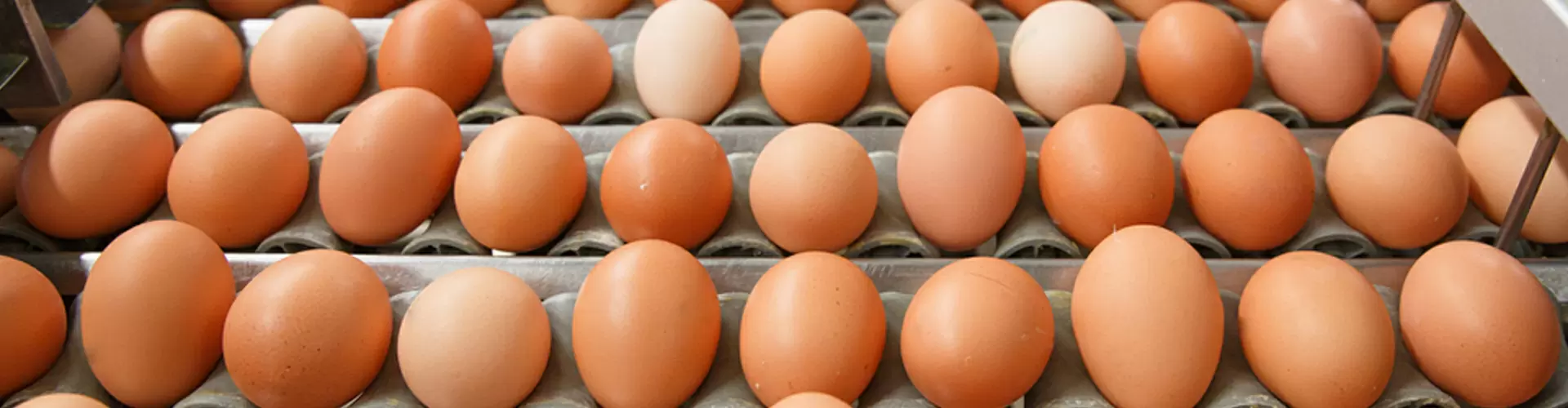
- Egg Collection Design: Inclined egg troughs enable eggs to roll gently into collection belts automatically, minimizing breakage (breakage rate <1.2%, vs. 5–8% for manual collection). Smooth, non-porous surfaces prevent egg contamination, ensuring premium market quality.
- Welfare Features: Adjustable perch bars, nipple drinkers with anti-drip valves, and uniform feeding troughs comply with international poultry welfare standards, supporting higher laying persistence and lower mortality.
3.2 Fully Integrated Automation Systems
Our turnkey solution includes six interconnected automated subsystems, eliminating manual intervention in core operations and ensuring consistency across all 5 houses.
3.2.1 Automatic Feeding System
- Centralized Feed Delivery: A main feed silo (50-ton capacity per farm) connected to auger conveyors distributes feed to each house’s overhead feeding lines. The system delivers precise, pre-programmed feed rations 5–6 times daily, matching the nutritional needs of laying hens at different production stages.
- Benefits: Reduces feed waste by 15–20% (critical for cost control in Zimbabwe’s feed market), ensures uniform feed access for all birds, and eliminates labor for manual feeding. The system is equipped with blockage sensors and alarms for proactive maintenance.
3.2.2 Nipple Drinking System
- Design: Closed, pressurized nipple drinker lines with water filters and pressure regulators, providing clean, fresh water 24/7. Each nipple serves 4–5 hens, with anti-leak technology to prevent water spillage and cage moisture.
- Benefits: Eliminates waterborne diseases, reduces water waste by 30%, and maintains optimal flock hydration—key to sustaining high laying rates during Zimbabwe’s dry seasons.
3.2.3 Automatic Egg Collection & Handling System
- Process: Egg belts run beneath each cage tier, collecting rolled eggs and transporting them to a central egg room in each house. A cross-house conveyor consolidates eggs from all 5 units to a centralized grading and packing station.
- Capacity: Handles up to 100,000 eggs per hour, with soft rubber belts to prevent cracking. The system includes egg cleaning and sorting modules (optional) to grade eggs by size and quality before packing.
- Benefits: Cuts egg collection labor by 90%, preserves egg cleanliness and integrity, and streamlines post-production logistics—critical for meeting local and export market standards.
3.2.4 Automatic Manure Removal System
- Operation: Manure belts beneath each cage tier run twice daily, collecting droppings and transporting them to an external manure storage area or composting facility. The system includes scrapers to ensure complete waste removal.
- Benefits: Maintains ammonia levels below 15 ppm (well under the 20 ppm industry safety limit), drastically reducing respiratory diseases and mortality (mortality rate <3% vs. 8–12% for manual farms). Manure is easily recyclable as organic fertilizer, creating an additional revenue stream.
3.2.5 Intelligent Climate Control System
- Components: Variable-speed exhaust fans, inlet curtains, evaporative cooling pads (for hot regions), heating elements (for cold seasons), and sensors for temperature, humidity, and ammonia. A PLC-based controller automatically adjusts ventilation and cooling to maintain optimal conditions (20–25°C, 60–70% humidity).
- Zimbabwe Adaptation: The system is calibrated for Zimbabwe’s tropical climate, with high-efficiency fans to combat heat stress and backup heating for winter months in highland areas. It includes power surge protection and generator integration for uninterrupted operation.
- Benefits: Stabilizes laying performance, reduces heat-related mortality, and lowers energy costs through smart, demand-based operation.
3.2.6 Remote Monitoring & Management System (IoT-Enabled)
- Features: A cloud-based platform allows farm managers to monitor real-time data (temperature, feed levels, egg production, equipment status) from a smartphone or computer. Alerts notify staff of anomalies (e.g., temperature spikes, feed blockages) instantly.
- Benefits: Enables centralized management of all 5 houses, reduces on-site supervision needs, and supports data-driven decision-making to optimize production.
4. Operational Advantages for Zimbabwean 100,000-Bird Farms
Investing in our automatic layer farm cage system delivers transformative benefits for large-scale producers in Zimbabwe, addressing the industry’s most pressing pain points.
4.1 Drastic Labor Cost Reduction
Managing 100,000 hens manually requires 30+ skilled laborers for daily feeding, egg collection, and cleaning. Our fully automatic system reduces labor needs to 8–10 staff, cutting labor costs by 70–75%. In Zimbabwe’s labor market, this translates to annual savings of over $100,000—accelerating return on investment (ROI).
4.2 Higher Production Efficiency & Profitability
- Laying Rate Improvement: From 70% (traditional) to 85–88% (automated), increasing daily egg production by 20%+. For a 100,000-bird farm, this means an additional 15,000 eggs per day—generating ~$450 in extra daily revenue (at $0.03 per egg).
- Feed Savings: 15–20% reduction in feed waste, lowering annual feed costs by $80,000–$100,000 for a 100,000-bird flock.
- Faster ROI: Typical payback period of 3–4 years, compared to 6–8 years for semi-automated farms.
4.3 Enhanced Biosecurity & Disease Control
Automation minimizes human contact with the flock, a critical biosecurity measure in preventing avian diseases. Combined with closed housing, regular manure removal, and controlled ventilation, our system reduces disease outbreaks by 60%+. This protects production continuity and avoids costly flock culling— a major risk in Zimbabwe’s poultry sector.
4.4 Scalability & Adaptability
The 5-house modular design allows for phased expansion: producers can start with 2–3 houses and scale up to 100,000 birds as market demand grows. The system is compatible with future upgrades (e.g., AI-driven egg sorting, solar power integration) to maintain competitiveness.
4.5 Sustainability & Environmental Compliance
Efficient waste management reduces environmental pollution, while lower energy and water use aligns with Zimbabwe’s agricultural sustainability goals. Recycled manure also supports circular farming practices, benefiting crop production and reducing reliance on synthetic fertilizers.
5. Case Study: Successful 100,000-Bird Automatic Layer Farm in Southern Africa
To demonstrate the real-world impact of our solution, we reference a recently completed 100,000-bird layer farm in Zambia— a market with similar climatic and operational conditions to Zimbabwe.
Project Background
A Zambian agribusiness invested in a 5-house, 100,000-bird farm using our H-type automatic layer cage system, aiming to address domestic egg shortages and capture regional export opportunities.
Key Results (12 Months Post-Commissioning)
- Laying Rate: Stabilized at 86% (peak), producing 86,000 eggs daily—30% higher than the farm’s previous manual operation.
- Labor Costs: Reduced from 32 to 9 staff, cutting annual labor expenses by $112,000.
- Mortality Rate: Maintained at 2.8%, vs. 11% in the farm’s old manual houses.
- Profit Margin: Increased from 18% to 35%, with full ROI projected in 3.2 years.
- Market Impact: The farm now supplies 20% of Zambia’s capital city egg demand and exports to neighboring countries, including Zimbabwe.
This case validates that our automatic layer farm cage system delivers consistent, measurable results in Southern Africa’s agricultural context—directly applicable to Zimbabwe’s market.
6. Our Commitment as a Large-Scale Project Supplier
As a specialized supplier for 100,000-bird+ layer farms, we offer more than just equipment—we provide end-to-end support to ensure project success in Zimbabwe.
6.1 Turnkey Project Delivery
- Custom Design: Tailor the 5-house layout and automation configuration to your land, budget, and local climate.
- Manufacturing & Supply: High-quality, factory-tested equipment with short lead times (12–16 weeks from order to delivery).
- Installation & Commissioning: Our expert technical team oversees on-site assembly, system integration, and testing—ensuring the farm is fully operational within 8 weeks of equipment arrival.
6.2 Local Training & Support
- On-Site Training: Comprehensive training for your management and staff on system operation, maintenance, and troubleshooting—no prior automation experience required.
- Local Service Network: We partner with Zimbabwean agricultural service providers for fast, on-demand repairs and spare parts supply, minimizing downtime.
- 24/7 Technical Support: Remote monitoring and troubleshooting assistance for the first 3 years of operation.
6.3 Long-Term Warranty & Maintenance
- Equipment Warranty: 10-year warranty on cage structures, 5-year warranty on automation components.
- Preventive Maintenance Packages: Customized annual maintenance plans to extend equipment lifespan and sustain peak performance.
7. Conclusion: Seize the Future of Zimbabwean Poultry Farming
For Zimbabwean agribusinesses aiming to lead the commercial egg sector, a 100,000-bird fully automatic layer farm is the strategic investment of choice. Our automatic layer farm cage system—engineered for scale, durability, and efficiency—solves the core challenges of large-scale production: high labor costs, low productivity, and biosecurity risks. With a proven track record in Southern Africa, turnkey delivery, and unwavering local support, we are your trusted partner in building a profitable, sustainable, and future-ready layer farm.
The Zimbabwean poultry industry is at an inflection point—automation is no longer a luxury, but a competitive imperative.
Contact us today to discuss your 100,000-bird project, and let us design a custom automatic layer farm cage solution that drives your success in Zimbabwe’s growing agricultural market.