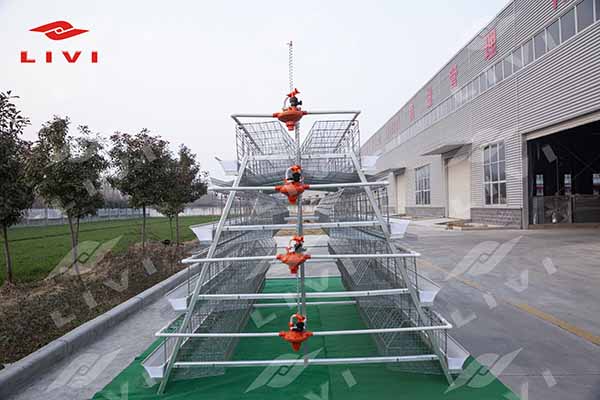



Summary: Explore the investment required for automatic layer battery cages to equip a 30,000-bird layer operation in Nigeria. This analysis covers key cost factors and ROI, detailing how modern battery cage systems enhance productivity and streamline management for large-scale commercial poultry farms.
Why Automatic Layer Battery Cages Are a Strategic Investment for Nigerian Poultry Farms
For Nigerian poultry farmers aiming to scale operations and improve profitability, investing in modern infrastructure is crucial. This section explores how automatic layer battery cages represent a strategic capital expenditure, directly addressing local production challenges while delivering a measurable return on investment.
- Labor Optimization: Automated systems for feeding, watering, and egg collection can reduce manual labor requirements by up to 60%, a critical advantage in regions facing skilled labor shortages.
- Feed & Resource Efficiency: Precision feeders minimize waste, potentially improving feed conversion ratios (FCR) by 5-8%, directly impacting the bottom line.
- Improved Health & Biosecurity: Elevated cages keep birds separated from manure, drastically reducing disease transmission and mortality rates, which can often exceed 10% in deep-litter systems.
- Infrastructure Gaps: Provides a controlled, efficient environment independent of unreliable utilities.
- Market Demand: Enables consistent, high-quality egg production to meet the growing domestic demand.
- Key Advantage: Faster ROI through higher stocking density, superior productivity per bird, and reduced losses, allowing farmers to recoup their investment often within 2-3 years.
For a detailed analysis tailored to your farm, request a custom ROI projection based on your location and flock size. We provide robust, hot-dip galvanized systems backed by local technical support and training. [Get in touch] for a site-specific consultation and layout plan.
Evaluating Key Cost Factors for Automatic Layer Battery Cages in a 30,000-Bird Setup
When planning a 30,000-bird poultry operation in Nigeria, a thorough cost analysis for automatic layer battery cages is essential. This evaluation goes beyond the initial purchase price to consider long-term operational efficiency and durability, which are critical for profitability in the local market.
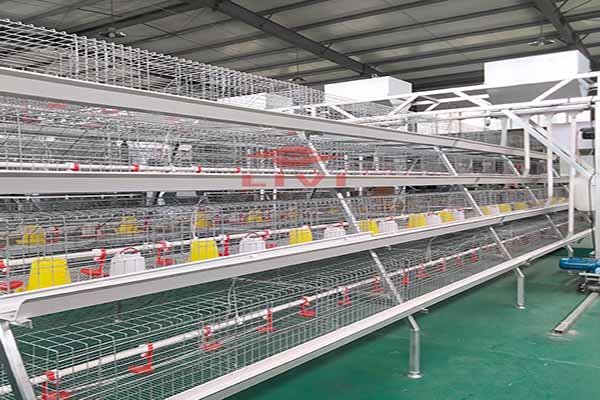
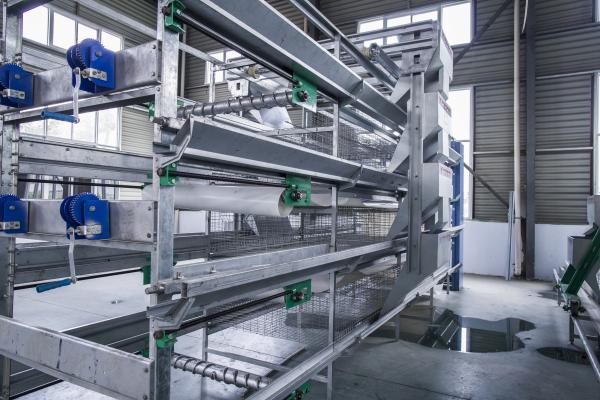
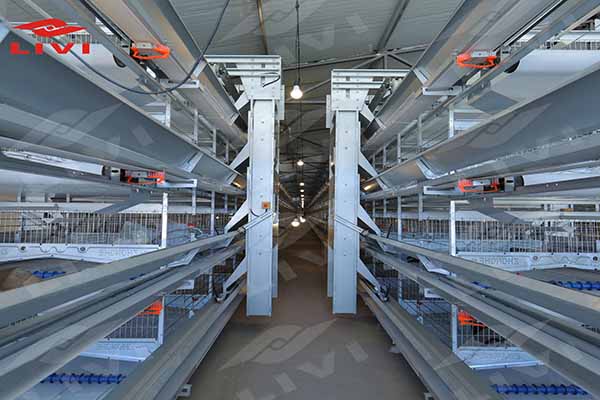
- The cage structure, feeders, drinkers, and manure removal belts
- The automated egg collection system
- Electrical panels and control systems
Beyond capital expenditure, operational costs significantly impact your ROI. A well-designed system using durable automatic layer battery cages reduces expenses through:
- Lower labor requirements for feeding, watering, and egg collection.
- Consistent feed and water delivery, minimizing waste.
- Efficient manure management, improving bird health and reducing manual cleaning.
These factors directly affect your bottom line over the system’s 15-20 year lifespan.
| Cost Factor | Consideration for Nigeria | Impact on TCO |
|---|---|---|
| Equipment Quality | Galvanization quality affects corrosion resistance | Higher upfront cost can mean lower long-term maintenance |
| Power Reliability | Need for backup systems due to grid instability | Adds to initial setup cost |
| Local Support | Availability of spare parts and technical service | Reduces downtime and repair costs |
To accurately assess your project’s financials, request a detailed cost breakdown for a 30,000-bird setup in your specific state. We provide hot-dip galvanized cages with a 15-year service life and local installation support. Contact us for a customized quotation and layout plan.
How Modern Automatic Layer Battery Cages Enhance Productivity and Streamline Management
This section explores how adopting automated cage technology directly addresses key challenges for Nigerian poultry farmers, focusing on measurable gains in output and operational control.
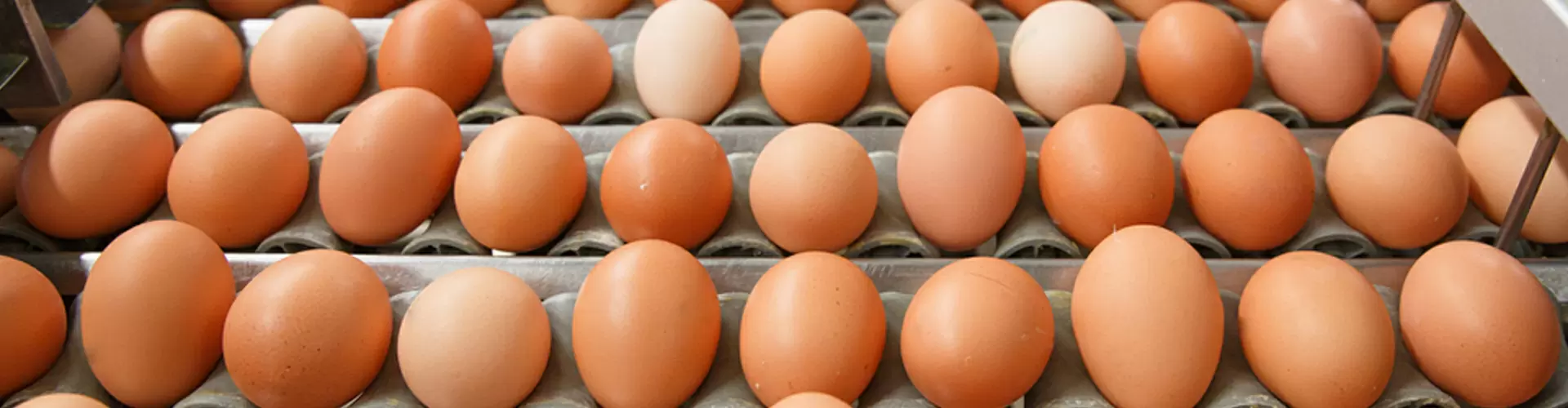
- Optimized Egg Collection: Automated belts gently gather eggs, reducing breakage rates to below 2% and saving over 15 hours of manual labor per week.
- Precision Feeding & Watering: Systems deliver consistent rations, improving feed conversion ratios (FCR) by up to 12% and ensuring uniform flock health.
- Waste Management: Conveyor belts remove manure daily, drastically cutting ammonia levels and the risk of disease, which can otherwise lower production by over 10%.
From a management perspective, these systems streamline daily oversight. Farmers gain precise control and real-time monitoring capabilities:
- Centralized Control: Lighting, feeding cycles, and ventilation can be managed from a single panel, ensuring optimal conditions for lay rates.
- Labor Reallocation: Staff are freed from repetitive tasks like manual egg collection and can focus on bird health monitoring and biosecurity protocols.
- Data-Driven Decisions: Consistent operations generate reliable production data, making it easier to track performance and identify issues early.
For Nigerian poultry businesses, integrating automatic layer battery cages translates to a stronger bottom line through higher egg yield, lower operational costs, and a more manageable farm environment. We provide A-Type cages specifically configured for the Nigerian climate, backed by local technical support and spare parts availability. [Contact us] for a customized ROI projection and layout plan for your farm size.

Calculating the ROI of Automatic Layer Battery Cages for a 30,000-Bird Operation
This section provides a practical framework for Nigerian poultry farmers to evaluate the financial viability of upgrading to modern housing systems. We will break down the key cost and revenue factors to determine the payback period for an investment in automatic layer battery cages for a 30,000-bird farm.
- Reduced labor costs by up to 60% through automation
- Lower feed waste due to controlled distribution systems
- Improved bird health and uniformity, leading to higher peak production
- Enhanced egg quality and collection efficiency, reducing breakage
To calculate a precise Return on Investment (ROI), you must project the increased revenue against the capital and operational costs. Follow these steps:
- Calculate the total system cost, including installation and any necessary infrastructure upgrades.
- Estimate annual operational savings from labor, feed, and utilities.
- Project revenue increase from higher hen-day production rates and better-grade eggs.
- Divide the net annual benefit (savings + increased revenue) by the total investment to find the payback period in years.
For a concrete example, consider a case study from a farm in Ogun State, Nigeria. After installing automatic layer battery cages for 30,000 layers, the farm reported a 12% increase in egg production and a 40% reduction in labor costs within the first year. The calculated payback period for their investment was under 3 years.
Upgrading to an automated system is a strategic capital decision with a clear, calculable financial return. We specialize in providing durable, locally-supported A-Type cages with detailed ROI projections for Nigerian farms. [Contact us] for a customized cost-benefit analysis and layout plan for your 30,000-bird operation.
Making the Right Choice: Next Steps for Your 30,000-Layer Farm in Nigeria
This section outlines the next steps for selecting and implementing the optimal housing system for your large-scale Nigerian layer farm.
- Assessing your power reliability and planning for backup systems.
- Calculating space requirements for the house, feed storage, and manure management.
- Choosing a cage system designed for Nigeria’s climate and available spare parts.
Our recommended solution is the A-Type Layer Cage. Its main benefit is achieving superior bird welfare and egg production through precise environmental control. The system’s automation directly addresses local labor challenges and feed waste.
To proceed, follow these steps:
- Request a Custom Layout: Contact us for a free, site-specific 30,000-bird house plan.
- Review a Detailed Quote: We will provide a complete cost breakdown, including duties and local installation.
- Compare ROI: We offer transparent data to compare the long-term value of our systems against local alternatives.
Choosing the right automatic layer battery cages ensures your farm’s profitability and scalability. We provide hot-dip galvanized cages with 15-year durability and full in-country technical support. Contact us today for your personalized farm layout and investment analysis.