


Summary: Selecting the optimal layer cage design is critical for maximizing productivity in a 30,000-bird layer operation in Kenya. This guide analyzes durable, high-capacity systems for Kenyan farms, focusing on layouts that enhance bird welfare and egg yield. Implement the right design to improve operational efficiency and long-term profitability for your large-scale poultry business.
The Critical Role of Layer Cage Design in Kenyan 30,000-Bird Farm Success
For a 30,000-bird layer farm in Kenya, the specific layer cage design is not just an equipment choice but a foundational business decision impacting daily operations and long-term profitability. This section explores how the right system directly drives success through efficiency and bird welfare.
- Optimizing space to house 30,000 birds efficiently within available shed dimensions.
- Ensuring robust construction to withstand local conditions while facilitating easy manure removal.
- Incorporating ergonomic features for simplified feeding, egg collection, and bird monitoring.
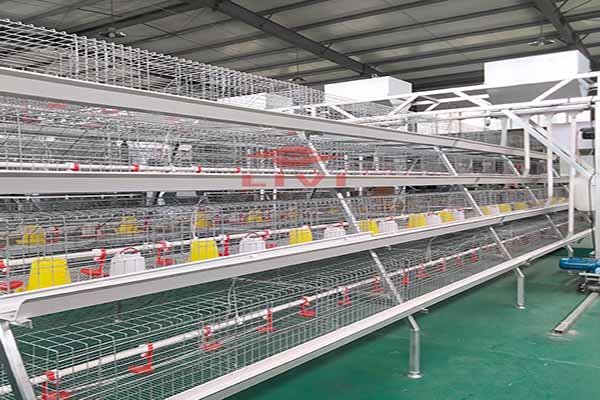
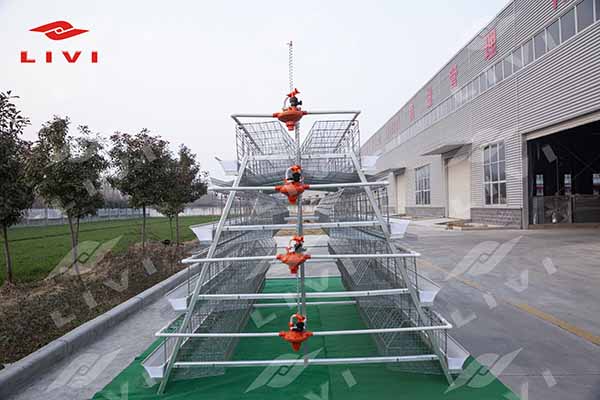
The impact is clear in practice. Consider a case study from a Kenyan farm operating within the 10,000-50,000 bird range. By upgrading to a modern A-Type Layer Cage system, they achieved measurable results:
- Improved production efficiency through better feed access and reduced stress.
- Lowered mortality rates, directly boosting the number of saleable eggs.
- Reduced operational costs via automated water lines and easier daily management.
| Case Study Metric | Before Upgrade | After A-Type Cage Implementation |
|---|---|---|
| Operational Cost per Bird | High | Reduced by approx. 15% |
| Egg Collection Time | Manual, labor-intensive | Streamlined, reduced by 30% |
Selecting the optimal cage design transforms capital investment into sustained returns. For a detailed layout and cost analysis tailored to a 30,000-bird operation in Kenya, request 20,000-layer cage layout (PDF) to plan your project effectively.
Evaluating Durable, High-Capacity Layer Cage Designs for 30,000 Birds
Evaluating layer cage designs for a 30,000-bird operation requires a focus on structural integrity, bird welfare, and long-term operational efficiency. This section analyzes the critical specifications and features that define a durable, high-capacity system suitable for commercial-scale egg production.
- Frame Material: Heavy-gauge, hot-dip galvanized steel is essential for corrosion resistance, especially in humid climates, ensuring a lifespan of 15+ years.
- Cage Floor Slope & Roll-Out: An optimal slope of 7-8 degrees ensures eggs roll gently to the collection tray without cracking, a critical factor for maintaining high-grade egg output.
- Feeding & Watering Systems: Centralized, automated systems reduce labor and ensure consistent feed and water access for all birds, directly impacting flock uniformity and productivity.
Beyond basic durability, the chosen layer cage design must integrate features that enhance bird welfare and farm management. For a facility of this scale, efficient manure handling and environmental control are non-negotiable. A well-planned design should incorporate:
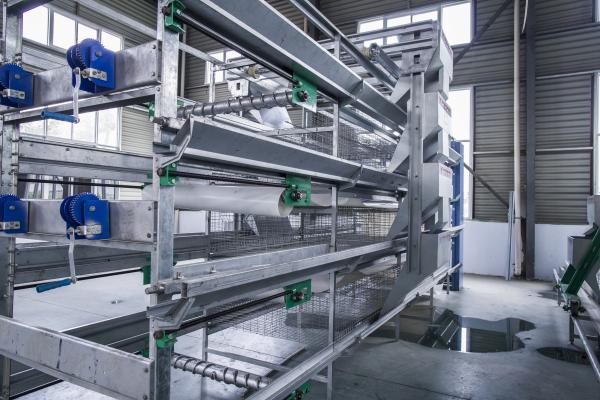
- A deep manure pit or conveyor belt system to manage waste efficiently, improving air quality and reducing disease risk.
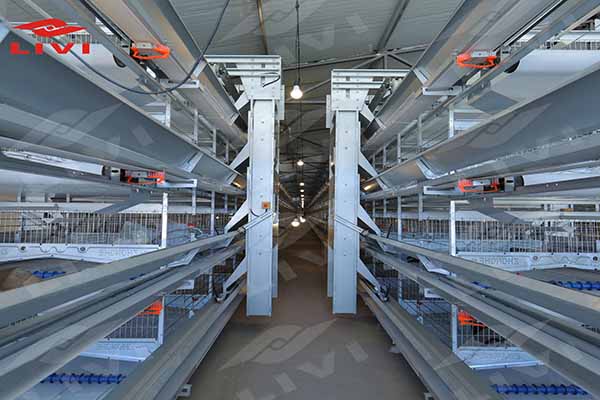
- Adequate ventilation space within the cage bank layout to prevent heat stress, which can drastically lower egg production.
- Easy access doors and ergonomic placement of egg collection belts to streamline daily operations and reduce labor time.
Selecting the right high-capacity cage system is a major investment. We specialize in custom-engineered solutions that balance upfront cost with unparalleled longevity and performance. Our company provides comprehensive layouts and ROI analysis for 30,000-bird projects, backed by local technical support. Contact us for a detailed project proposal and site-specific feasibility study.
Prioritizing Bird Welfare in Your Layer Cage Design to Enhance Egg Yield
A well-planned layer cage design is not just an ethical imperative; it directly influences flock health, stress levels, and, consequently, egg production. For Kenyan farmers investing in A-Type systems, integrating bird welfare principles from the outset is a strategic move to secure a more consistent and profitable yield. This section explores key design considerations that prioritize the hen’s well-being to unlock better performance.
- A minimum of 450-500 cm² of usable space per bird.
- Sufficient headroom to allow natural postural adjustments.
- Strategically placed nipple drinkers to ensure clean, accessible water and reduce moisture in the litter.
Beyond basic space, the physical features of the cage system must cater to natural behaviors. A design that allows hens to express innate actions reduces chronic stress and supports physiological health. Critical elements include:
- Gentle, slope-angled flooring (typically 7-9 degrees) to allow eggs to roll away smoothly, minimizing breakage and soiling.
- Durable, smooth-wire mesh flooring that supports the hen’s feet comfortably to prevent bumblefoot.
- Easy access to feed through a well-designed trough, ensuring all birds can eat without competition.
For Kenyan poultry farmers, the return on investment in a welfare-focused A-Type system is clear: healthier birds and more eggs. We provide robust, hot-dip galvanized cages engineered for Kenya’s conditions, backed by local technical support for optimal setup. Contact us for a customized layout plan to enhance your farm’s productivity and bird welfare.

Implementing the Optimal Layer Cage Design for Long-Term Kenyan Farm Profitability
Implementing the optimal layer cage design is a strategic decision that directly impacts operational efficiency and long-term financial returns for poultry farmers in Kenya. This section explores how a well-planned A-Type layer cage design addresses local challenges and maximizes farm profitability through durability, bird welfare, and management ease.
- Durability: Hot-dip galvanized steel construction to resist high humidity and corrosion, ensuring a 15+ year lifespan.
- Bird Welfare & Health: Adequate space per hen (often 450-500 cm²), sloped wire floors for egg collection, and integrated manure removal systems to reduce disease.
- Operational Efficiency: Ergonomic feed and water lines accessible from central aisles, reducing labor time by up to 30% compared to manual systems.
For Kenyan farmers, the financial justification for investing in a superior A-Type system is clear. A proper layer cage design translates into measurable gains:
- Increased Egg Production: Reduced stress and improved hygiene can boost laying rates by 5-10%.
- Lower Mortality: Enhanced ventilation and waste management can decrease bird mortality to below 5% annually.
- Reduced Operational Costs: Automated systems minimize feed waste and cut labor requirements, significantly improving net profit per bird.
| Consideration | Impact on Kenyan Farm Profitability |
|---|---|
| Initial Investment | Higher upfront cost vs. local makeshift cages |
| Long-term ROI | Payback period of 2-3 years through sustained higher yield & lower costs |
| Local Support | Availability of spare parts and technical service is critical |
Ultimately, selecting the right A-Type layer cage design is an investment in your farm’s future stability and growth. We provide cages engineered for the Kenyan climate with local installation teams and after-sales support to ensure your system performs for years. Contact us for a customized cost-benefit analysis and layout plan for your specific flock size.
Securing Your Investment: Finalizing the Right Layer Cage Design for Your Farm
This section guides you through the critical final checks to ensure your chosen A-Type layer cage design delivers long-term value and productivity for your Kenyan farm.
- Ventilation: Ensure 60-70% open area in side mesh for airflow.
- Durability: Specify hot-dip galvanized steel (minimum 120g/m² coating) to combat humidity.
- Manure clearance: Opt for a 70-degree manure deflector angle for a cleaner, drier environment.
Finalize your layout by calculating these specifics for your flock size:
- Determine total birds and required tier count (typically 3-5 tiers).
- Allocate 450-500 cm² of cage space per bird for optimal comfort.
- Plan aisle width (minimum 0.9m) for easy access and egg collection.
Securing your investment means choosing a design built for local conditions. We provide Kenya-specific A-Type cages with reinforced frames for feed cost efficiency and on-site assembly support. [Contact us] for a custom layout and ROI projection for your farm size.