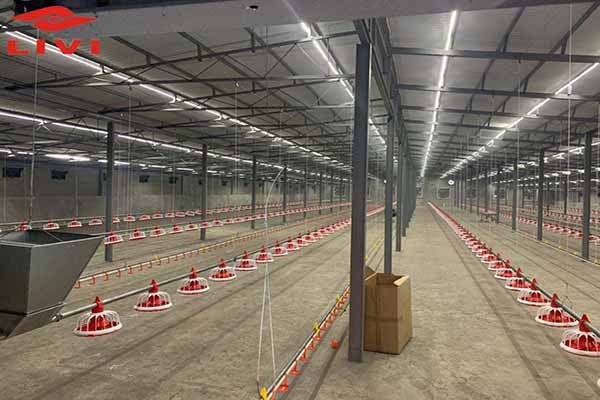



With the rapid development of poultry farming in Kenya, more investors are turning to intensive farming methods to meet the growing demand for eggs. Among all solutions, layer cage design plays a decisive role in determining farm efficiency, production output, and long-term profitability.
For a medium-to-large scale project such as 30,000 layers poultry farming in Kenya, choosing between A-type layer cages and H-type layer cage systems is a key strategic decision. This article provides a professional comparison based on practical farm design, cost-efficiency, and operational performance.
Understanding Layer Cage Design in Modern Poultry Farming
Modern layer cage systems for sale in Kenya are engineered to improve:
- Space utilization
- Feeding efficiency
- Egg collection rate
- Disease control
- Labor productivity
Whether you choose a semi-automatic or fully automatic solution, a well-planned layer cage design for commercial poultry farms ensures stable and scalable production.

Project Overview: 30,000 Layers in Kenya
This comparison is based on a standard poultry farm configuration:
| Parameter | Specification |
|---|---|
| Farm Capacity | 30,000 Layers |
| Location | Kenya |
| System Options | A-Type Cage / H-Type Cage |
| Feeding System | Automatic Feeding Line |
| Drinking System | Nipple Drinking System |
| Egg Collection | Manual / Automatic |
| Manure Removal | Manual / Automatic |
| Ventilation | Natural + Mechanical |
A-Type Layer Cage System Design
Structure and Features
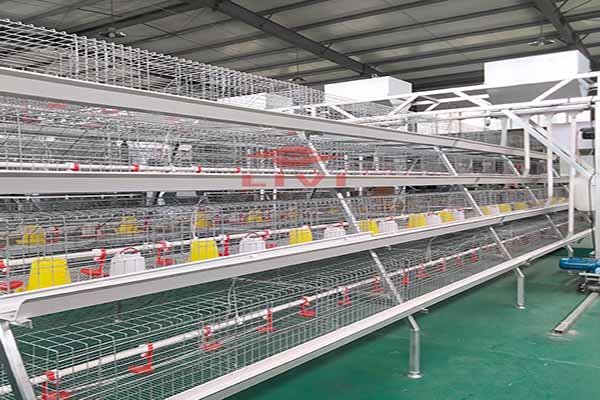
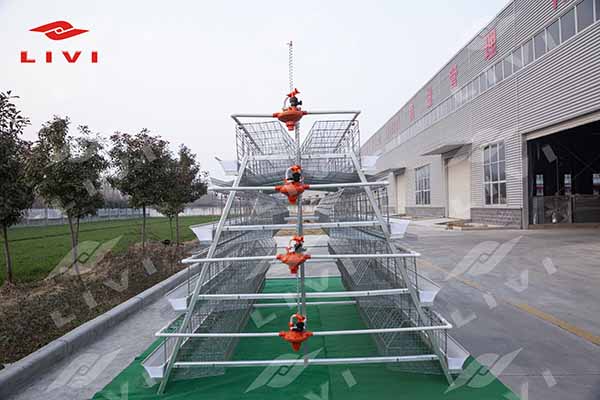
The A-type layer cage system is a traditional design widely used in developing poultry markets. It features a simple frame structure, usually with 3 to 4 tiers.
It is commonly adopted in small to medium poultry cage system projects due to its affordability and ease of operation.
Design Layout for 30,000 Layers
- Building Size: Approximately 90m × 12m
- Cage Rows: 3–4 rows
- Cage Tiers: 3–4 levels
- Capacity per Cage: 3–5 birds
Advantages
- Lower initial investment cost
- Simple installation and maintenance
- Minimal technical requirements
- Suitable for farms with limited automation
Limitations
- Lower stocking density
- Higher labor dependency
- Limited integration with automation systems
- Lower efficiency in manure management
H-Type Layer Cage System Design
Structure and Features
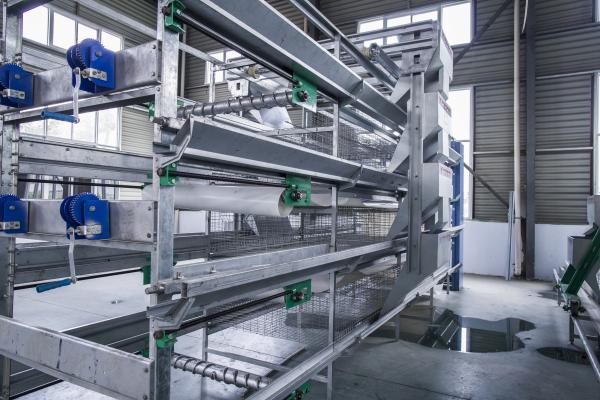
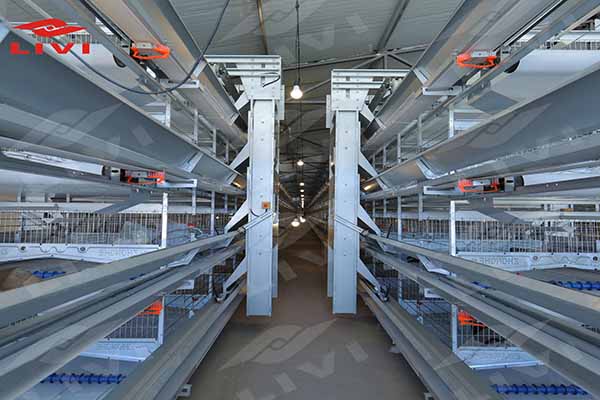
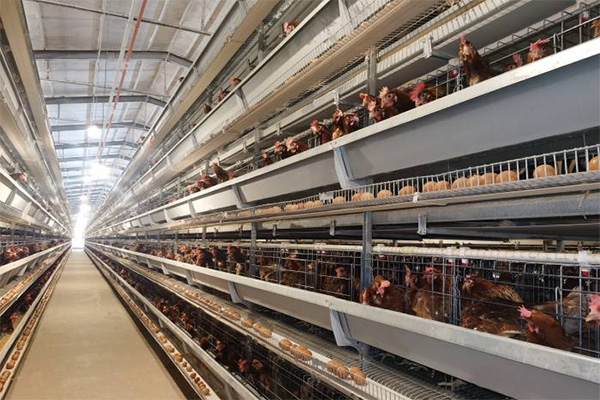
The H-type layer cage system represents a modern high-density poultry cage design, specifically developed for large-scale and commercial egg production.
It adopts a vertical stacking structure with 4 to 8 tiers, combined with advanced automation systems.
Design Layout for 30,000 Layers
- Building Size: Approximately 75m × 15m
- Cage Rows: 4–5 rows
- Cage Tiers: 4–5 levels
- Capacity per Cage: 4–6 birds
Advantages
- Maximum space utilization
- Fully automated feeding, drinking, egg collection, and manure removal
- Reduced labor costs
- Improved hygiene and disease control
- Ideal for large scale layer farming in Kenya
Limitations
- Higher initial investment
- Requires stable electricity supply
- Needs technical installation and training
A-Type vs H-Type Layer Cage System Comparison
| Aspect | A-Type Cage System | H-Type Cage System |
|---|---|---|
| Investment | Low | High |
| Automation | Basic / Semi-auto | Fully automatic |
| Labor Requirement | High | Low |
| Space Utilization | Medium | High |
| Production Efficiency | Moderate | High |
| Expansion Capability | Limited | Flexible |
| Long-Term ROI | Moderate | High |
Which Layer Cage Design is Suitable for Kenya?
Choosing the right layer cage design for 30,000 chickens depends on your business model and investment plan.
A-Type Cage is Recommended If:
- You are starting with a limited budget
- Labor is readily available and affordable
- You prefer a low-risk investment approach
- You are building a semi-automatic poultry farm
H-Type Cage is Recommended If:
- You aim for high-efficiency commercial egg production
- You want to reduce labor costs long-term
- You have access to stable power supply
- You are planning a scalable poultry business
Investment Strategy and Profitability
While the A-type layer cage system price is more affordable at the beginning, the H-type automatic layer cage system provides stronger long-term advantages:
- Lower labor costs over time
- Higher egg production per square meter
- Reduced feed wastage
- Better flock management
For farms with 30,000 layers or more, the trend in Kenya is clearly shifting toward automatic poultry cage systems due to their efficiency and scalability.
Key Considerations for Kenyan Poultry Farmers
When selecting a poultry cage system design, it is important to evaluate:
- Land availability and building size
- Budget and financing options
- Labor cost and availability
- Power supply stability
- Future expansion plans
A well-designed system ensures not only current productivity but also long-term growth potential.
Conclusion
For a 30,000 layers poultry farm in Kenya, both A-type and H-type systems have their advantages.
- A-Type Layer Cage System: Cost-effective and simple, suitable for beginners
- H-Type Layer Cage System: High-efficiency and automated, ideal for commercial operations
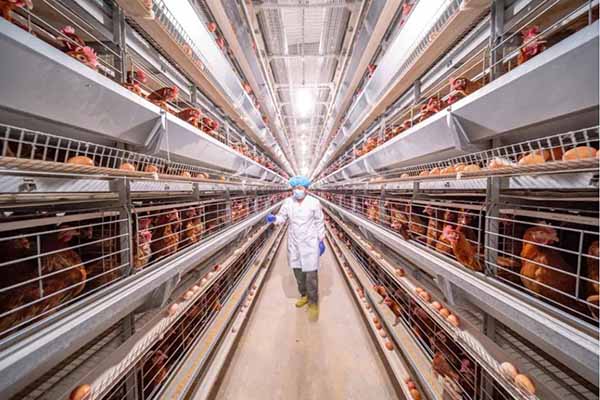
If your goal is to build a modern, large-scale poultry farm with sustainable profitability, the H-type system is the more advanced and future-oriented solution.
Get a Customized Layer Cage Design Solution
If you are planning to invest in poultry farming in Kenya, we can help you with:
- Tailored layer cage design for 30,000 layers
- Professional farm layout planning
- Equipment configuration based on your budget
- Installation guidance and after-sales support
Contact us today to get a free poultry farm design and quotation, and start building your high-efficiency poultry business.