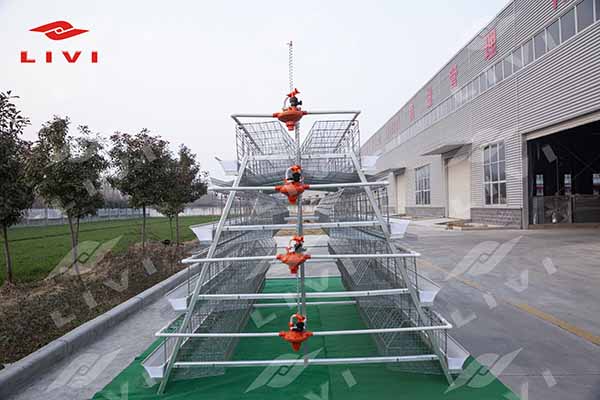



Summary: Choosing the right H type layer battery cages is critical for maximizing productivity in Zimbia. This guide details the selection process for a 30,000-bird layer operation, focusing on durability and layout to enhance egg yield and farm management efficiency for commercial poultry farms.
Why Selecting H Type Layer Battery Cages is Critical for Zimbia’s Commercial Poultry Farms
For commercial poultry farms in Zimbia aiming to maximize productivity and ensure a strong return on investment, the choice of housing system is a foundational business decision. This section explores the operational and economic imperatives behind Selecting H Type Layer Battery Cages, detailing how this specific design addresses local farming challenges and drives profitability.
- Superior space efficiency, potentially housing 20-50% more birds in the same footprint compared to traditional systems.
- Centralized manure removal via integrated conveyor belts, drastically improving hygiene and reducing labor for disease control.
- Streamlined access to feed, water, and eggs through centralized automation, cutting daily operational time and costs.
Selecting H Type Layer Battery Cages is particularly strategic for Zimbia’s market, where operational consistency and long-term asset value are paramount. These cages are engineered for the region’s conditions, offering:
- Robust construction with high-grade, corrosion-resistant materials to ensure durability.
- Integrated climate control adaptability, supporting bird health and consistent laying rates through temperature variations.
- Scalable configurations, allowing farms to start with a 5,000-bird unit and expand modularly to 50,000+ birds as business grows.
Ultimately, the decision transcends mere equipment purchase; it is an investment in operational resilience and scalable growth. We provide H-type systems with a 20-year structural warranty and on-site technical support for installation and maintenance. Contact us for a customized layout plan and ROI projection tailored to your farm’s capacity in Zimbia.
Evaluating H Type Layer Battery Cage Specifications for a 30,000-Bird Operation
When planning a large-scale commercial layer farm for 30,000 birds, a thorough evaluation of H Type Layer Battery Cages specifications is crucial for ensuring long-term productivity and return on investment. This section breaks down the key technical and operational factors to consider for such a significant operation.
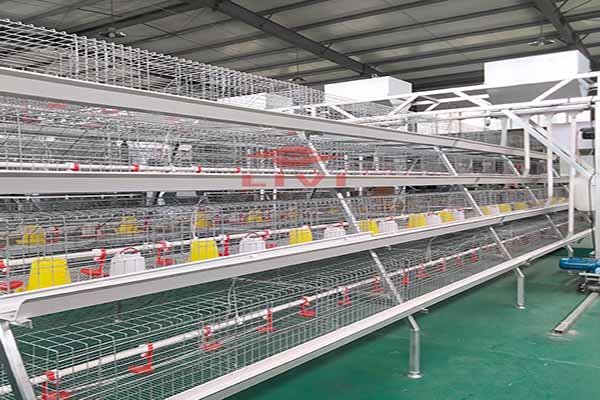
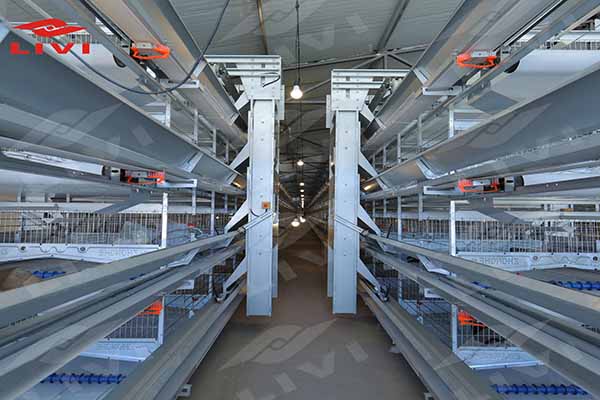
- Tier Configuration: Typically 3-8 tiers high, with the exact number impacting building height and ventilation needs.
- Material & Coating: Heavy-duty, hot-dip galvanized steel wire is essential for corrosion resistance and a long service life, often exceeding 15 years.
- Bird Density: Per-cage bird count must comply with animal welfare guidelines while maximizing space utilization. A common specification is 4-5 birds per cage compartment.
Beyond the cage units themselves, the integrated system’s features dictate daily operational smoothness. Evaluating H Type Layer Battery Cages for a 30,000-hen setup requires a focus on automation compatibility and durability.
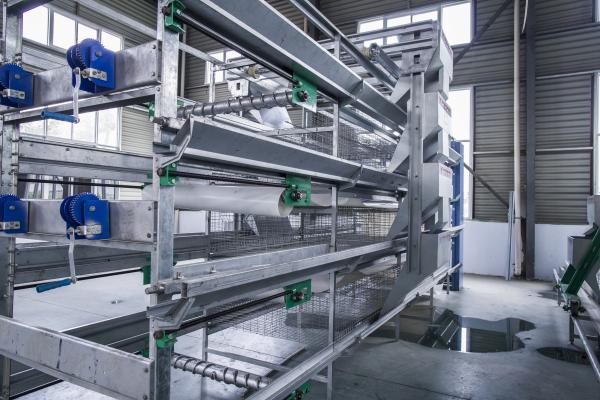
- Manure Removal System: A well-designed deep pit or daily conveyor belt system is non-negotiable for maintaining hygiene and ammonia control at this scale.
- Feeding & Drinking Lines: Centralized, automated nipple drinking systems and chain or pan feeder lines ensure consistent feed and water delivery, reducing labor costs.
- Egg Collection: Gentle, automatic belt collection systems prevent egg damage and minimize manual handling.
For a project of this magnitude, the final selection should balance technical specifications with practical farm management. The chosen system must facilitate easy monitoring, bird handling, and routine maintenance. Partnering with a supplier who can provide detailed layout designs, installation support, and spare parts availability is as critical as the hardware itself. A precise evaluation ensures the infrastructure supports both animal welfare and profitable egg production for years to come.
How the Right H Type Layer Battery Cages Enhance Egg Yield and Farm Management
Selecting the appropriate housing system is a pivotal decision that directly impacts both egg production efficiency and the overall ease of farm operations. This section explores the specific mechanisms through which modern H Type Layer Battery Cages contribute to superior yield and streamlined management, addressing key challenges for commercial poultry farmers.
- Optimized bird density that prevents overcrowding while maximizing space utilization.
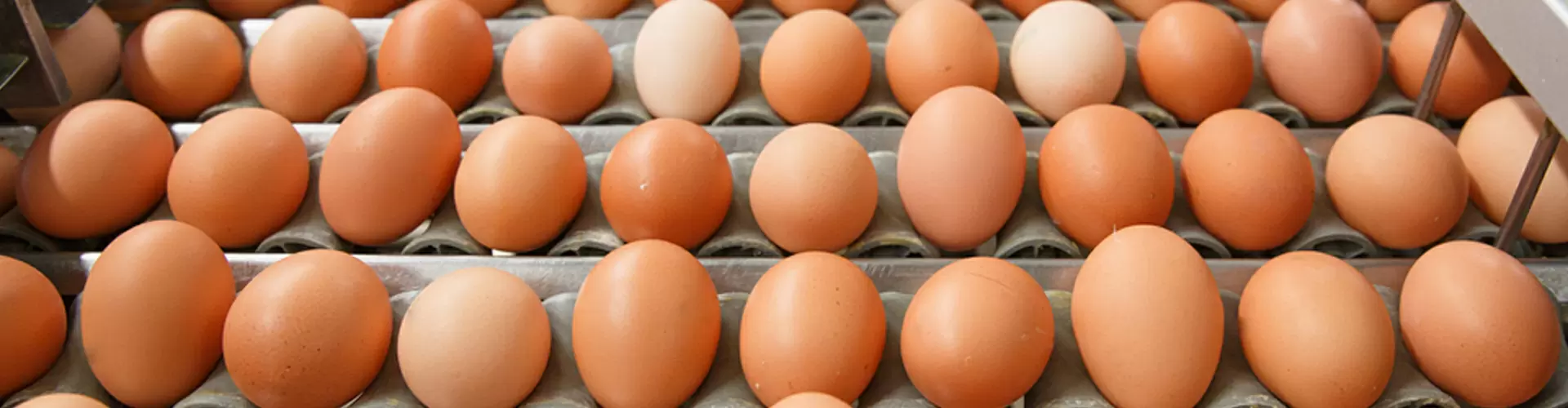
- Integrated egg collection belts that gently roll eggs to a central point, keeping them clean and reducing manual handling losses by an estimated 2-3%.
- Superior manure removal systems that maintain better air quality, directly linked to improved hen health and consistent laying rates.
From a management perspective, these cages transform daily farm workflows. The automation and accessibility inherent in the H-type design significantly reduce labor requirements and operational costs.
- Daily egg collection becomes a swift, centralized process rather than a time-consuming manual task.
- Systematic manure drying and removal beneath each tier drastically improves hygiene and simplifies waste management.
- The clear, accessible layout allows for easy monitoring of flock health and quicker identification of issues, enabling proactive management.
For operations in regions like Zambia, considering a capacity range that matches local market scales is crucial. The right H Type Layer Battery Cages offer a scalable solution that enhances both productivity and control.
In summary, implementing the correct H-type system is a strategic investment that boosts egg yield through superior design and simplifies daily management via automation. We provide robust, galvanized cages backed by local technical support and customized layout planning. [Contact us] for a tailored capacity and ROI analysis for your farm in Zambia.
Implementing Your H Type Layer Battery Cage System for Long-Term Profitability
Implementing an H Type Layer Battery Cage System effectively is a strategic investment that directly impacts your farm’s operational efficiency and bottom line. This section outlines practical steps for installation, management, and maximizing the long-term financial returns of this modern housing solution.
Proper planning before installation is crucial for success. Begin by assessing your available space and flock size to select the appropriate capacity range for your H Type Layer Battery Cages. Key preparatory steps include:
- Ensuring a level concrete floor with proper drainage.
- Verifying access to reliable power and water lines for the automated systems.
- Allocating space for feed storage and egg collection areas.
- Monitoring automated feeding and watering systems daily to prevent blockages.
- Implementing a strict biosecurity protocol, using the cages’ design to limit disease spread.
- Conducting routine egg collection from the integrated conveyor belts to maintain product quality.
- Scheduling regular manure removal via the built-in belt system to ensure a healthy environment.
For long-term profitability, focus on preventative maintenance and data-driven decisions. Regularly inspect galvanized wires, nipple drinkers, and egg belts for wear. Tracking performance metrics like feed conversion ratio (FCR) and hen-housed egg production against your targets will highlight areas for improvement and justify your initial investment.
By following these implementation and management guidelines, your poultry operation can achieve sustained high productivity. We provide robust, hot-dip galvanized H-type systems backed by local technical support and training. [Contact us] for a customized ROI projection based on your specific farm capacity.
Making the Strategic Choice: Next Steps for Your 30,000-Bird Farm in Zimbia
This section outlines the strategic equipment decisions for scaling your 30,000-bird farm in Zambia, focusing on maximizing productivity and return on investment.
- Superior space utilization, allowing more birds per square meter
- Centralized manure collection for improved hygiene and labor savings
- Easier bird monitoring and egg collection workflows
- Proven, reliable design with excellent ventilation
- Lower per-unit capital cost, improving initial ROI
- Simpler installation and maintenance, reducing technical support needs
Choosing the right system balances capital outlay, operational goals, and long-term scalability. We provide both H Type Layer Battery Cages and A-Type systems, backed by local technical support and financing guidance tailored for the Zambian market. H Type Layer Battery Cages Request a customized 30,000-bird farm layout and ROI comparison for your specific location in Zambia.